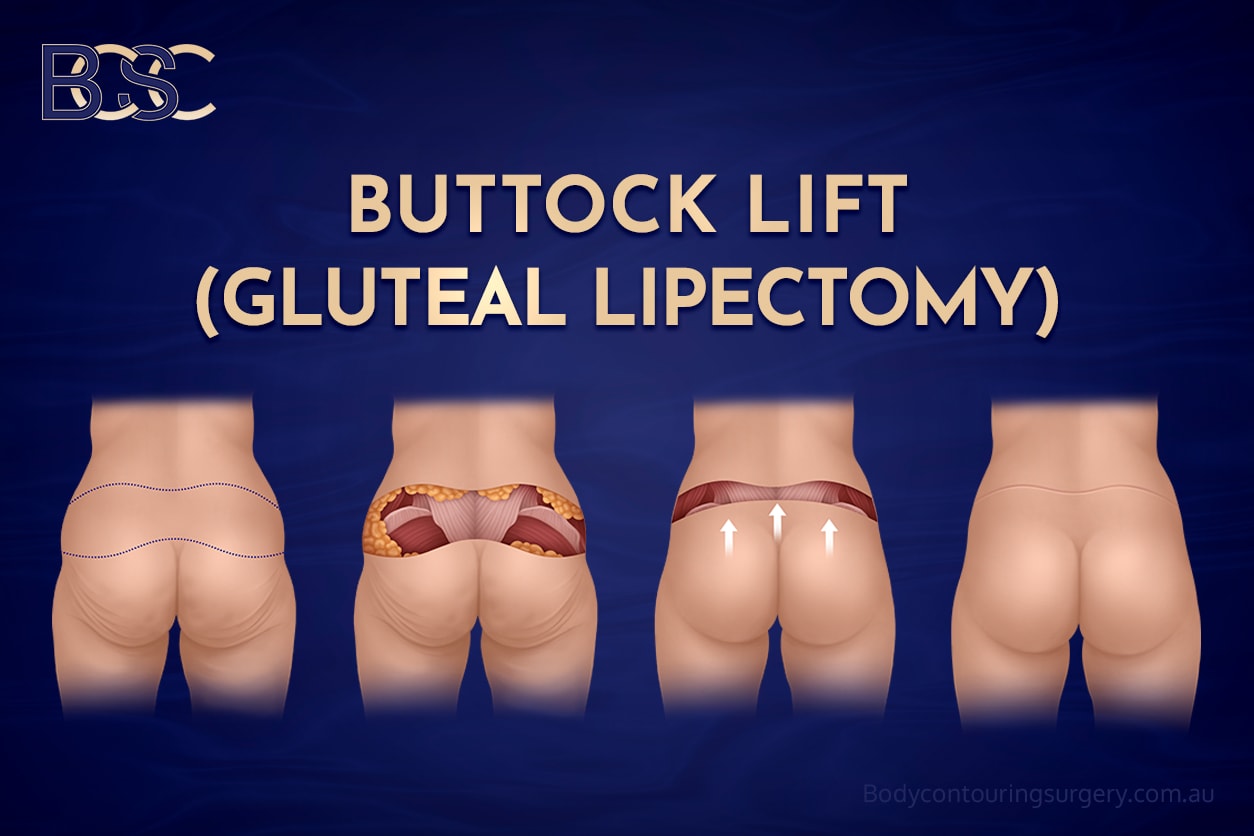
A buttock lift, medically known as a gluteal lipectomy, is a body contouring procedure most commonly performed after significant weight loss. After massive weight loss, many individuals are left with excess skin and loose skin across the lower back and buttocks. Loose skin can result from several factors, including losing weight, pregnancy, and aging. This extra skin does not retract with exercise, physical activity, or maintaining a healthy weight, and can cause functional concerns such as hygiene difficulties, skin irritation, and problems with clothing fit. Collagen is a key protein in the skin, and damage to collagen and elastin fibres during significant weight loss can contribute to loose skin.

Within the Body Contouring Surgery Clinic (BCSC) network, a buttock lift (Gluteal Lipectomy) is often performed as part of a belt lipectomy (lower body lift), although it may also be undertaken as a standalone back lift (Gluteal Lipectomy). Regardless of the surgical approach, patients should understand that this is a major surgery. As with all surgical procedures, complications can occur. A complication is an unfavourable result of a disease, health condition, or treatment that may worsen the prognosis. Complications can result from underlying illnesses, medical procedures, medications, and the healthcare environment.
What Does the Term “Complication” Mean?
In medical terminology, a complication refers to an unintended problem that arises during or after a surgical procedure. Complications differ from expected post-operative effects, such as bruising, swelling, discomfort, or temporary fatigue, which most patients experience to some degree.
A possible complication may require additional treatment, medication, prolonged recovery, or further surgery. Some complications are relatively minor and resolve with conservative management, while others are more serious and may affect overall health. It is also important to recognise that many complications are influenced by individual factors rather than surgical technique alone.
Buttock Lift (Gluteal Lipectomy) Surgery and Overall Risk Profile

A buttock lift (Gluteal Lipectomy) involves removing a significant amount of skin from the lower back and repositioning the remaining tissues. The procedure creates a long incision across the lower back and upper buttock region, which places demands on blood flow and wound healing.
Most patients considering this surgery have experienced massive weight loss or significant weight loss, either through bariatric surgery or lifestyle changes. While weight loss benefits many health conditions, it can also reduce skin quality, thin the tissues, and affect blood vessels supplying the skin.The greater the weight loss, the more pronounced the effect of loose skin tends to be. These changes increase the risk of wound-related complications compared with surgery performed on patients who have not lost a large amount of weight.
Several factors, including the extent of weight loss, nutritional status, and skin quality, influence the risk of complications. Additional factors such as medical history, current weight stability, and general health all contribute to overall risk.
Common Wound-Related Complications
Delayed Wound Healing
Delayed wound healing is one of the most frequently encountered complications after a buttock lift (Gluteal Lipectomy). The incision is extensive, exposed to movement, and subject to tension when sitting, standing, or lying down.
Reduced blood flow to the skin following weight loss further increases the risk that small areas of the wound may heal slowly.
Management commonly includes:
- Regular wound assessment during early follow-up
- Extended dressing care and activity modification
- Use of a supportive garment to reduce tension
- Antibiotic medication if infection is suspected
Most areas of delayed healing resolve without additional surgery, although healing time may be prolonged.
Infection
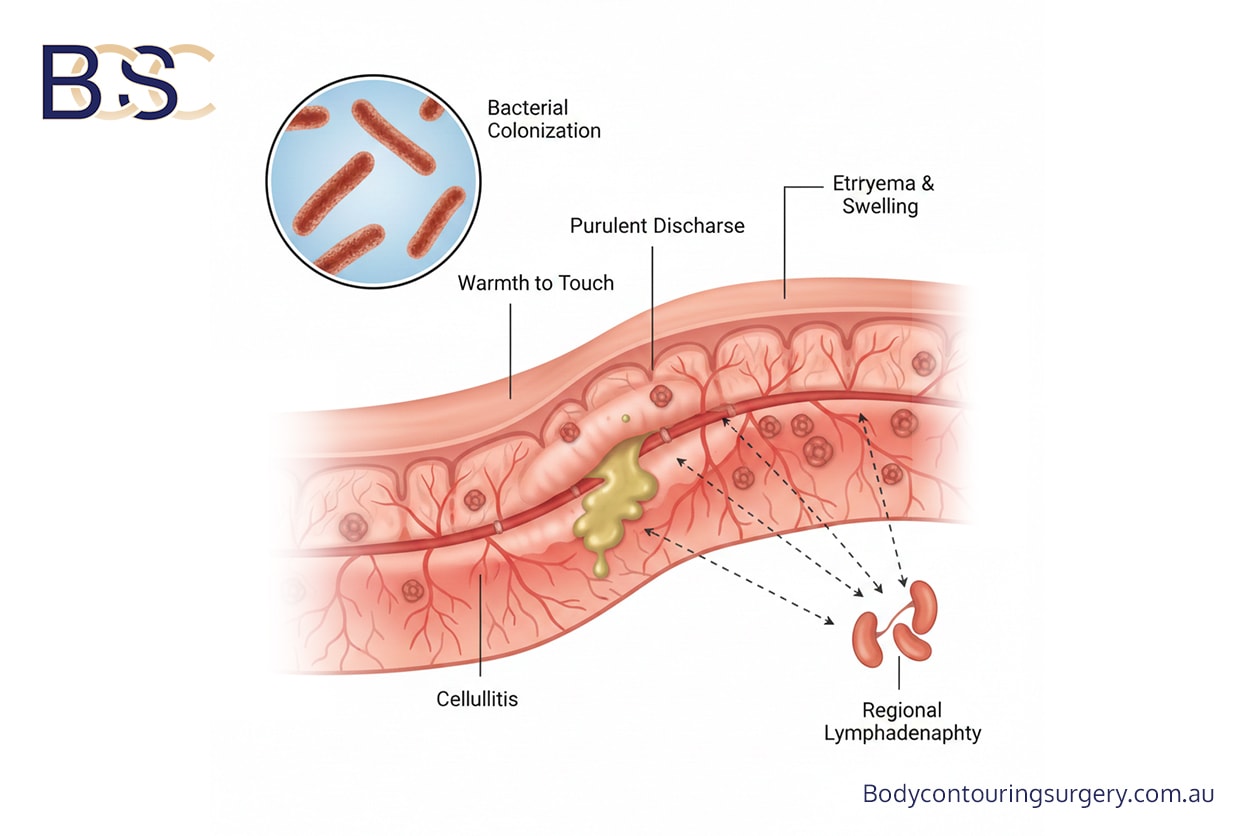
Infection is a recognised risk of any surgical procedure. After a buttock lift (Gluteal Lipectomy), infection may involve the skin, deeper tissues, or fluid collections beneath the incision.
Symptoms can include:
- Increasing pain, redness, or warmth
- Fever or general unwellness
- Abnormal wound discharge
Treatment may involve:
- Oral or intravenous medication
- Drainage of infected fluid collections
- Hospital admission in more severe cases
Early identification and treatment are important to reduce the risk of further complications.
Seroma (Fluid Collection)
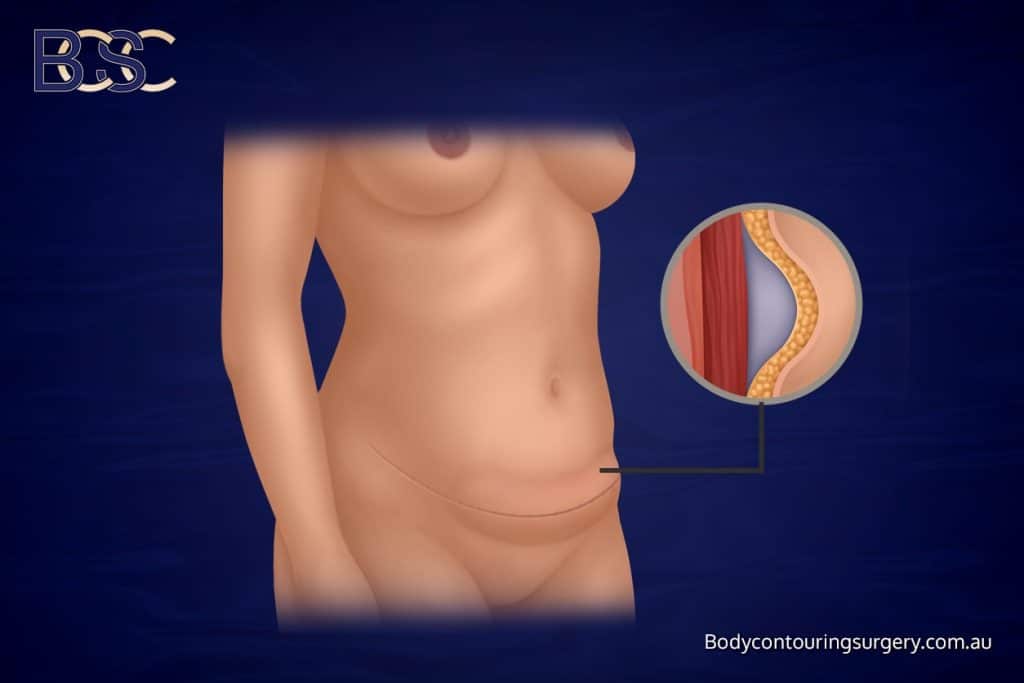
A seroma is a collection of excess fluid beneath the skin and is one of the most common complications following body lift (belt lipectomy) procedures. Seromas occur when a large area of tissue is separated during surgery, creating space for fluid to accumulate.
To help prevent seroma formation, a thin tube may be inserted under the skin to drain excess blood or fluid after surgery. Drains might be left in place for several days after a buttock lift (Gluteal Lipectomy) to manage these fluids. Even with the routine use of drains, seromas may develop after drains are removed.
Typical management includes:
- Needle aspiration performed in the clinic
- Repeated aspirations if fluid reaccumulates
- Temporary reinsertion of a drain in selected cases
- Continued use of compression garments
Most seromas gradually resolve with time and monitoring.
Haematoma and Excess Blood Collection
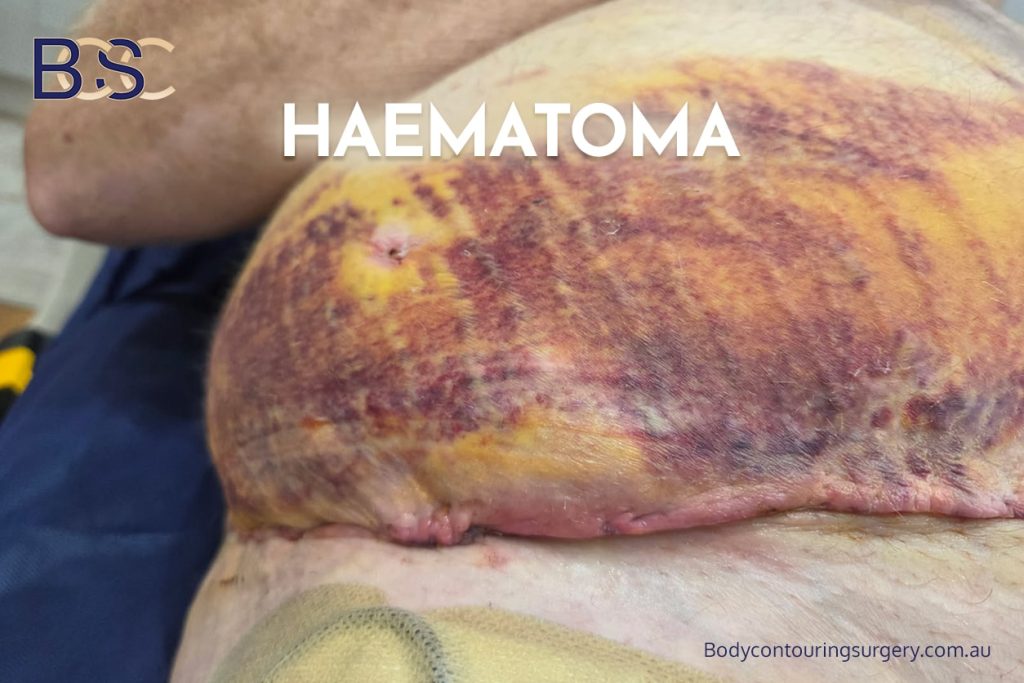
A haematoma occurs when excess blood collects under the skin. This complication usually develops shortly after surgery but may occasionally appear later.
Small haematomas may be monitored, while larger collections often require surgical evacuation. Blood tests may be performed if there is concern about excess blood loss or anaemia.
Prompt treatment reduces the risk of infection and delayed healing.
Scar-Related Complications
Widened or Thickened Scars
A buttock lift (Gluteal Lipectomy) leaves a permanent scar across the lower back. Scar appearance varies widely and is influenced by skin type, tension on the incision, sun damage, and individual healing response.
Scar management options may include:
- Silicone gel or silicone sheets
- Steroid injections for thickened scars
- Laser or light-based treatments
- Surgical scar revision in selected cases once healing is complete
Scars generally improve over time, though they do not completely disappear.
Altered Sensation and Nerve Symptoms
Temporary numbness or altered sensation around the scar is common after surgery due to the disruption of small skin nerves. In some cases, sensitivity or nerve-related discomfort may persist.
Management usually involves reassurance, desensitisation techniques, and time. Permanent nerve damage is uncommon but remains a recognised risk.
Book Your Consultation at Body Contouring Surgery Clinic in Newcastle Today
Book Online NowMedical and Circulatory Complications
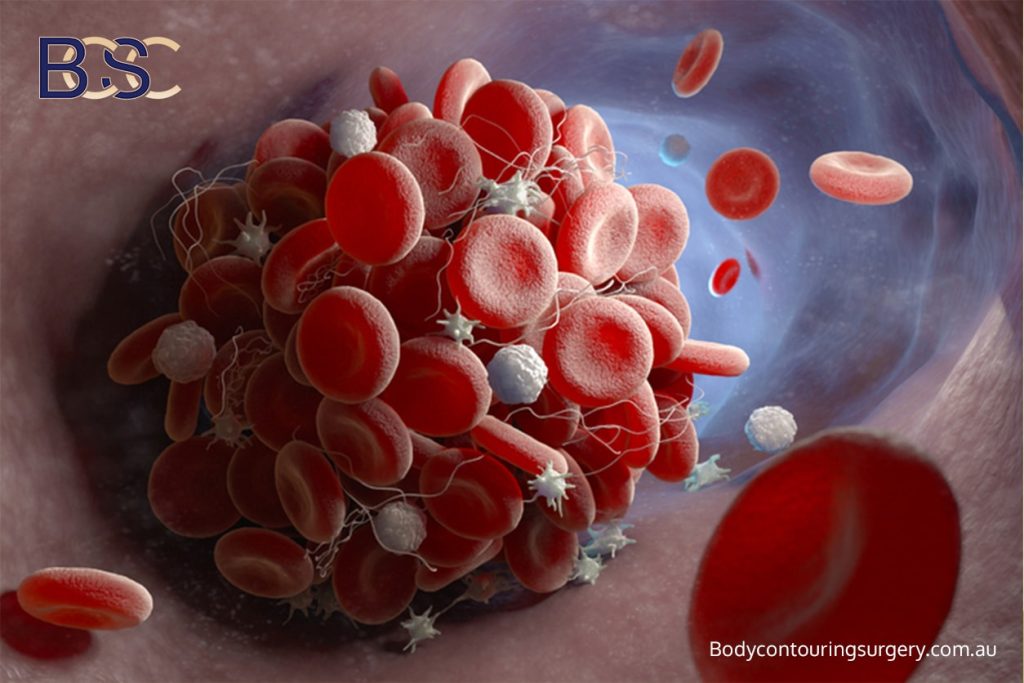
Blood Clots
Blood clot formation, including deep vein thrombosis and pulmonary embolism, is a serious potential complication after major surgery. Risk is influenced by body weight, reduced mobility, previous clotting disorders, and the duration of surgery.
Preventive strategies commonly include early mobilisation, compression stockings, and blood-thinning medication when appropriate.
A blood clot can be life-threatening and requires urgent medical treatment.
Cardiovascular Events and Anaesthetic Risks
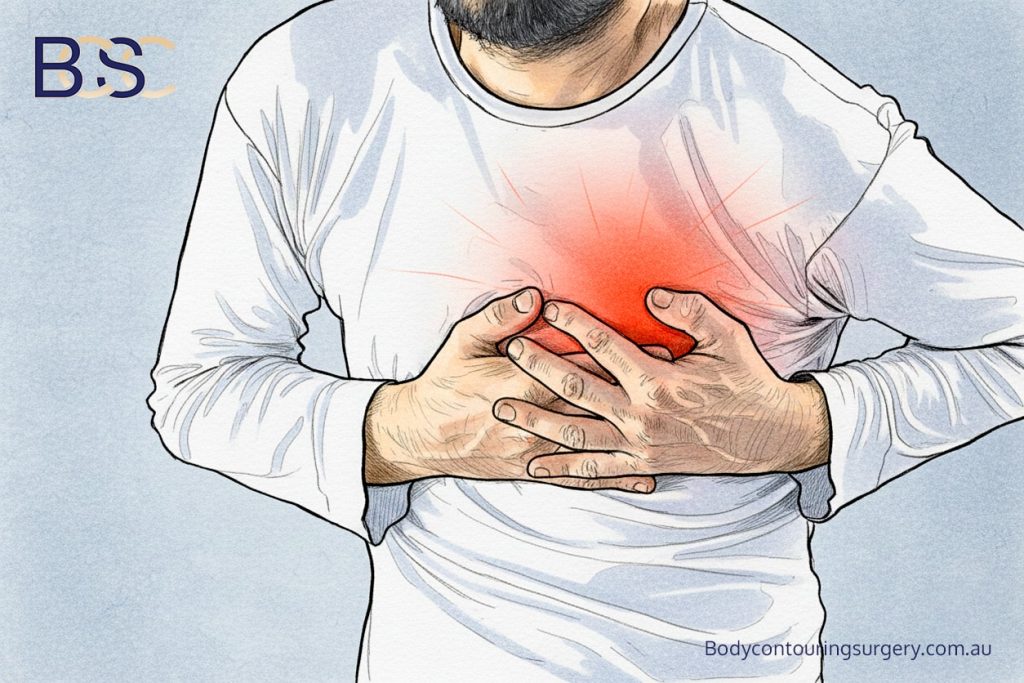
Rare but serious complications include heart attack, adverse reaction to anaesthetic medication, or worsening of pre-existing medical conditions. Patients with heart disease, high blood pressure, or other chronic illnesses require careful pre-operative assessment.
In very rare circumstances, major surgery may contribute to organ failure or even death.
Skin and Fat Complications
Skin Necrosis
Skin necrosis occurs when part of the skin loses its blood supply and breaks down. This complication is more likely in patients who smoke, have nutritional deficiencies, or have undergone previous surgery to the area.
Treatment may involve prolonged wound care, surgical debridement, or skin grafting in severe cases.
Fat Necrosis
Fat necrosis refers to damage to the subcutaneous fat layer, leading to firm or tender lumps. These areas may soften over time or remain palpable.
Management may include observation, massage once healing permits, or surgical removal if symptoms persist.
Shape, Symmetry, and Residual Skin Concerns
Despite careful planning, asymmetry or residual loose skin may remain after surgery, particularly in patients who have lost a significant amount of weight. Weight gain or further weight loss after surgery can also affect results.
Revision surgery may be considered once healing is complete and weight has remained stable.
It is important to note that a gluteal lipectomy does not add volume to the buttocks. Some patients perceive flattening of the buttock area after surgery, especially following massive weight loss. Procedures such as gluteal augmentation may be discussed separately, but are not suitable for all patients.
Factors That Increase the Risk of Complications
Many factors influence complication rates after a buttock lift (Gluteal Lipectomy), including several factors related to both patient health and the hospital environment. These include:
- Massive weight loss or ongoing weight changes
- Poor general health or nutritional deficiency
- Smoking or nicotine exposure
- Uncontrolled high blood pressure or diabetes
- Previous surgery to the abdomen or lower back
Complications can also result from prolonged hospitalisation, such as hospital-acquired infections or pressure ulcers.
Maintaining a stable, healthy weight and optimising general health before surgery reduces risk.
Management of Complications Within the BCSC Network

Within the Body Contouring Surgery Clinic network, complications are managed with a structured, conservative approach. The surgeon plays a critical role in planning, performing the procedure, and managing the recovery process to minimise risks and ensure optimal outcomes. Patients are reviewed regularly during the early post-operative period, allowing early identification of issues such as wound problems or fluid collections.
Many complications can be managed with medication, dressings, and close follow-up. Patients are advised to avoid heavy lifting, strenuous exercise, and swimming until cleared by their surgeon after a buttock lift (Gluteal Lipectomy). More serious complications may require additional procedures or hospital admission. Open communication between patients and the treating team is essential, and patients are encouraged to report promptly any worsening of symptoms, such as increased pain, swelling, fever, or wound changes.
Reducing the Risk of Complications


While not all complications can be prevented, risk can be reduced by:
- Careful patient selection and thorough pre-operative assessment
- Optimising general health and nutrition
- Stopping smoking well before surgery
- Following post-operative instructions closely
- Attending all scheduled follow-up appointments
Final Considerations
A buttock lift (gluteal lipectomy) can treat excess skin and loose skin following significant weight loss, but it remains a major surgery with known risks. Complications range from minor wound issues to serious medical events. Most complications are treatable when identified early and managed appropriately.
Patients considering this procedure should ensure they understand the potential complications, recovery demands, and the importance of long-term follow-up.