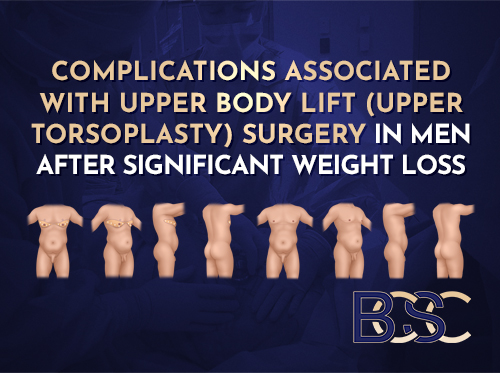
Upper body lift surgery (upper torsoplasty) is a major body-contouring procedure that may be considered for men following significant or massive weight loss, including after
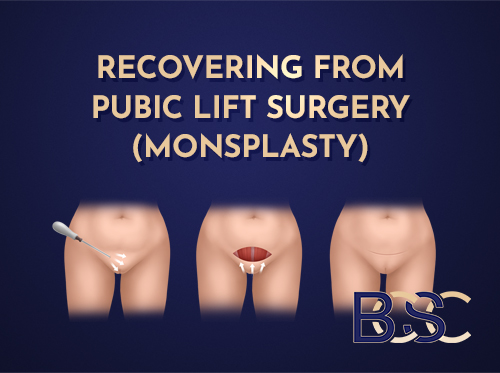
Recovery after monsplasty surgery (also known as mons pubis reduction surgery or pubic lift) is a gradual process that varies among individuals. This procedure focuses on reducing excess fat, excess skin, or both from the mons pubis, the fatty tissue located over the pubic bone. Recovery depends on the surgical technique used, whether liposuction (suction-assisted lipectomy) is performed, and whether the procedure is combined with other surgeries, such as a tummy tuck (abdominoplasty). This guide outlines what patients can generally expect during recovery, how postoperative care is structured and the typical timeline for returning to daily activities. Individual circumstances vary,
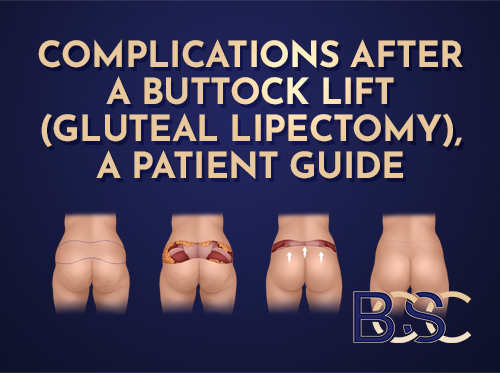
A buttock lift, medically known as a gluteal lipectomy, is a body contouring procedure most commonly performed after significant weight loss. After massive weight loss, many individuals are left with excess skin and loose skin across the lower back and buttocks. Loose skin can result from several factors, including losing weight, pregnancy, and aging. This extra skin does not retract with exercise, physical activity, or maintaining a healthy weight, and can cause functional concerns such as hygiene difficulties, skin irritation, and problems with clothing fit. Collagen is a key protein in the skin, and damage to collagen and elastin fibres
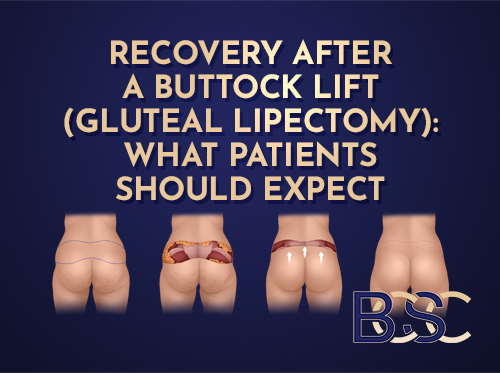
Recovery following a buttock lift (gluteal lipectomy) is a staged process that unfolds over several months. For many patients, particularly those who have experienced significant weight loss, this procedure forms part of a broader body contouring journey rather than a single, isolated operation. A buttock lift (Gluteal Lipectomy) is a functional surgery aimed at treating the appearance of the buttocks by removing excess skin and fat. Understanding what recovery involves — including its physical demands, follow-up requirements, and practical limitations — is an important part of informed decision-making. A buttock lift (Gluteal Lipectomy) can be performed as part of a
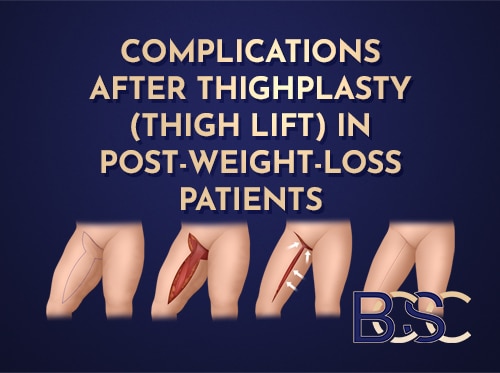
Thighplasty, also known as thigh lift surgery, is a surgical procedure designed to remove excess skin, excess fat, and excess soft tissue of the thighs following significant weight loss. This type of thigh lift (thighplasty) surgery is commonly performed in post‑bariatric patients where skin quality and skin elasticity have been significantly altered. In post‑bariatric and massive weight‑loss patients, the medial and inner thighs are common problem areas due to reduced skin elasticity, altered blood supply, and changes in the underlying soft tissue. Within body contouring and plastic surgery, thighplasty is recognised as a major surgery of the lower body associated
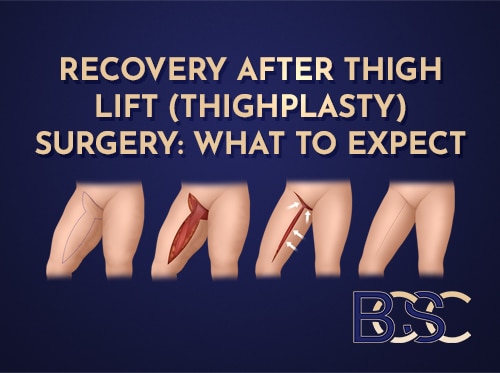
Recovering from thighplasty involves understanding how the body heals after a major surgical procedure. Recovery after a thigh lift (thighplasty) is a structured and gradual process that requires time, planning, and close adherence to post operative care instructions. Thigh lift (thighplasty) surgery is a plastic surgery procedure designed to remove excess skin and, in some cases, excess skin and fat from the upper thighs, inner thigh, and sometimes the outer thigh region. Thigh lift (thighplasty) surgery is most commonly performed after significant weight loss or major weight loss, when excess loose skin does not retract despite a stable weight and healthy
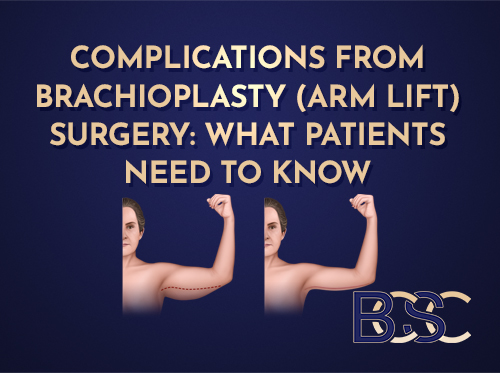
Brachioplasty, often described as arm lift surgery or brachioplasty arm lift surgery, is a surgical procedure performed to reduce excess skin and, in selected cases, excess fat from the upper arms. It is commonly undertaken after significant weight loss, including after bariatric surgery, or when reduced skin elasticity results in persistent loose skin that does not resolve with exercise. As with any surgical procedure, brachioplasty surgery carries risks. While many patients progress through the recovery process without major issues, complications can and do occur. Understanding the nature of these risks, how often they occur, and how they are managed is
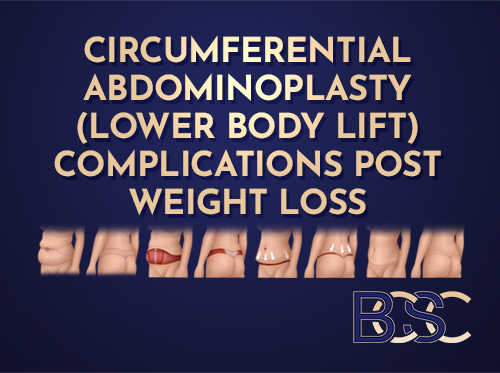
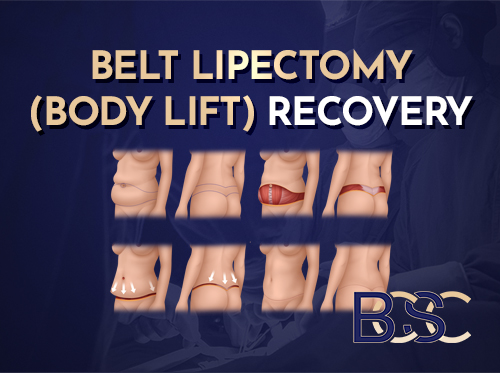
A belt lipectomy, often referred to as a lower body lift, is an extensive body contouring surgery performed to remove excess skin and fat that remain after massive weight loss, bariatric surgery, weight loss surgery, or sustained lifestyle changes. Although some patients may use terms such as tummy tuck or extended abdominoplasty, a belt lipectomy differs. It focuses on the entire torso, including the lower abdomen, flanks, back, buttocks, and upper outer thighs. For many post weight loss patients, living with large folds of loose skin can affect comfort, physical activity, clothing choices, and personal hygiene. Obese patients may face
At Body Contouring Surgery Clinic (BCSC), our recovery programs for belt lipectomy (body lift) are structured, evidence-based, and designed to support patients after lower-body lift (Belt lipectomy) surgery. This surgical procedure removes excess skin and tissue from the lower abdomen, flanks, back, and buttocks, typically after significant or massive weight loss or bariatric surgery. Patients often present with functional symptoms, hygiene concerns or difficulty with clothing. Circumferential removal of excess skin folds helps reshape the lower torso and targets functional issues. Research shows that body contouring after major weight reduction can treat physical functioning and quality of life (1). What
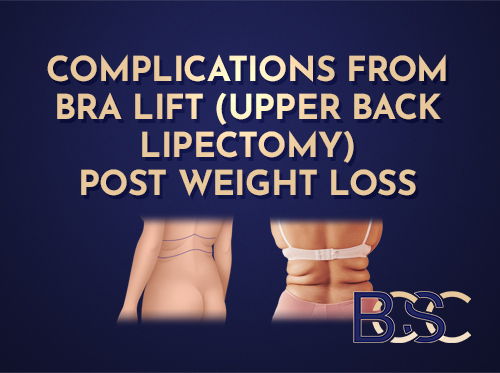
Upper back lipectomy, also known as an bra lift, is a surgical procedure designed to remove excess skin and fat from the upper and middle back. It is commonly performed as part of broader body contouring procedures for patients who have experienced significant weight loss, including following bariatric surgery, pregnancy, or long-term lifestyle-related weight reduction. For many surgical patients, excess skin in the upper back can lead to functional concerns such as skin irritation, difficulty with clothing fit, hygiene challenges within skin folds, and discomfort along the bra line. A bra lipectomy aims to treat these issues by excising excess