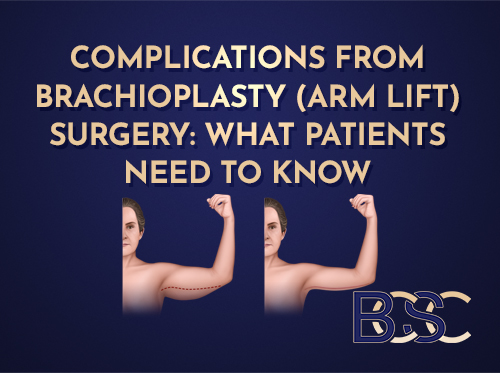
Brachioplasty, often described as arm lift surgery or brachioplasty arm lift surgery, is a surgical procedure performed to reduce excess skin and, in selected cases,
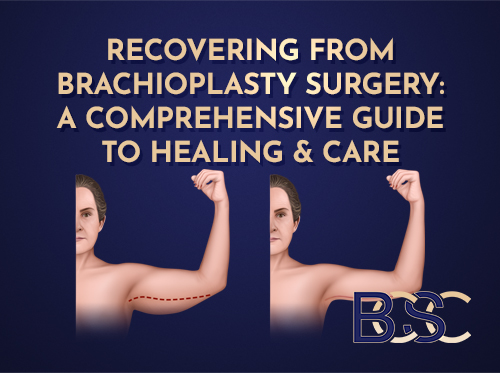
Recovering from brachioplasty surgery is a critical part of the overall surgical journey. While the surgical procedure itself focuses on removing excess skin from the upper arm, it is the recovery phase that allows the body to heal, swelling to resolve, and scars to mature. Understanding what recovery involves helps most patients prepare physically, emotionally, and practically. Brachioplasty, commonly referred to as arm lift surgery, is a reconstructive procedure frequently performed after weight loss, pregnancy, or changes in skin elasticity related to ageing. Understanding Brachioplasty and the Recovery Process Brachioplasty surgery is a surgical procedure designed to treat excess skin
Brachioplasty patients with a private health fund may pay less out-of-pocket for the hospital charges if they have a gold-level cover, have skin conditions caused by excess skin after losing 5+ BMI points, and are unable to do normal daily activities. Eligible brachioplasty patients can reduce out-of-pocket costs further if they apply for a Medicare rebate (MBS Item # 30169). Health funds never cover the full cost of brachioplasty, even if it says “fully covered”. Brachioplasty surgery costs an estimated 5000 to 10000 AUD. The surgeon, hospital, and anaesthetist fees are often billed separately. Actual costs vary. The most reliable
After extreme weight loss, patients with loose skin on their upper arms should wait 12 months for the skin to retract naturally and maintain a stable weight for six months before scheduling their arm lift (Brachioplasty) surgery. Tattoo (upper back area) blurred for privacy Disclaimer: Operation performed by Dr Bernard Beldholm. Adult content, surgery has risks; individual results vary, seek 2nd opinion. Please see the full disclaimer. When is the right time for a Brachioplasty after weight loss? Excess skin and fat can hang from the upper arms after losing 20 or more kilos. Brachioplasty surgery (otherwise known as an arm
After Brachioplasty surgery, swimming in prohibited for three to six weeks or until the incisions are completely healed. Swimming in any type of environment, whether salt water or chlorinated pools, can introduce contaminants that might delay wound healing. Top 3 Dangers of Swimming After Brachioplasty Surgery Here is why Brachioplasty patients shouldn’t swim for several weeks after a brachioplasty procedure. Swimming increases the chance of a wound infection Submerging in water can raise the risk of infection after surgery. Even chlorinated water potentially contains bacteria that can invade an open wound. Skin infections not only compromise patient health. They could also
Lying on your back with your arms and head elevated is the sleeping position most surgeons recommend for the first three weeks after arm lift surgery (brachioplasty). This position will reduce swelling, ease inflammation, and lessen the risk of complications during arm lift recovery. A good night’s sleep is one of the keys to a successful recovery process. During the initial recovery period, it’s crucial to get proper rest. We spoke to Dr Bernard Beldholm, M.B.B.S, B.SC (Med), FRACS, a specialist surgeon offering arm lifts (brachioplasty) in Newcastle for the last 14-plus years. He told us, ‘While lying in bed
Acute compartment syndrome is a rare but serious condition that can occur after brachioplasty. Symptoms include severe pain, weakness, pale skin, and an inability to move the affected arm. If you suspect you have compartment syndrome after a surgical procedure such as an upper arm lift (Brachioplasty), seek immediate medical attention. What is compartment syndrome? Compartment syndrome is a serious condition caused by excess pressure building up within a muscle compartment. When pressure builds (for example, due to swelling from surgery or a traumatic injury) it can restrict blood flow and cause the muscle, nerves, or blood vessels to die.
Driving after brachioplasty s usually approved at two to three weeks post-op. Patients must arrange a ride home from the hospital and attend all their check-up appointments. Surgical complications may delay the start of driving. You will need a ride home from the hospital Some surgeons perform brachioplasty surgery as a day procedure. Other surgeons advise staying in the hospital overnight, or, in some cases, longer. Regardless of when you’re discharged from the surgical centre, someone must drive you home. There are several reasons why you won’t be able to drive yourself home after brachioplasty surgery. Feeling sleepy after general
Compression garments and loose-fitting tops are an important part of brachioplasty recovery. Compression devices accelerate healing and reduce swelling post-surgery, while roomy, breathable clothes during the healing process. Compression Garments Most surgeons recommend wearing a compression garment after excess skin removal procedures such as brachioplasty. An arm compression garment is a soft, stretchy medical device that wraps around the arms. The elastic material applies constant pressure to the skin and underlying tissues. You may need to wear a compression sleeve for several weeks. Here is everything you need to know about buying and wearing the garments. Benefits of Compression After
Brachioplasty, when conducted by experienced practitioners, is associated with predictable outcomes and manageable risks, although, though rare, nerve injury is possible. The most common nerve injury affects the medial antebrachial cutaneous nerve since it is found within the dissection plane. Nerve damage during brachioplasty can cause pain, chronic numbness, or decreased mobility, which may be lasting unless promptly treated. Non-surgical or surgical interventions may alleviate these symptoms. What major nerves are in the arm? The brachial plexus consists of nerves affecting skin sensation and muscle movements within the hand, arm, and shoulder. The nerve roots begin at the spinal cord