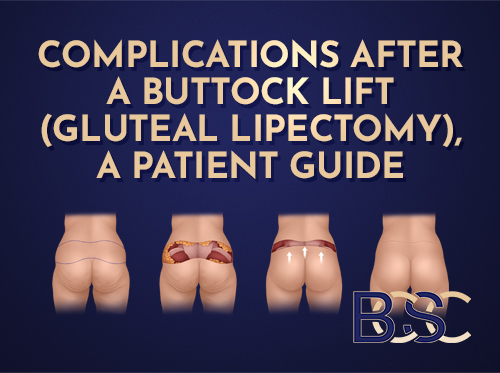
A buttock lift, medically known as a gluteal lipectomy, is a body contouring procedure most commonly performed after significant weight loss. After massive weight loss,
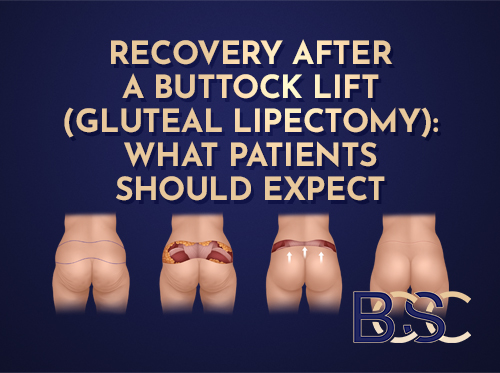
Recovery following a buttock lift (gluteal lipectomy) is a staged process that unfolds over several months. For many patients, particularly those who have experienced significant weight loss, this procedure forms part of a broader body contouring journey rather than a single, isolated operation. A buttock lift (Gluteal Lipectomy) is a functional surgery aimed at treating the appearance of the buttocks by removing excess skin and fat. Understanding what recovery involves — including its physical demands, follow-up requirements, and practical limitations — is an important part of informed decision-making. A buttock lift (Gluteal Lipectomy) can be performed as part of a
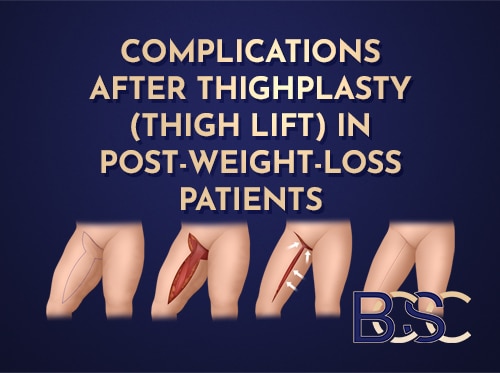
Thighplasty, also known as thigh lift surgery, is a surgical procedure designed to remove excess skin, excess fat, and excess soft tissue of the thighs following significant weight loss. This type of thigh lift (thighplasty) surgery is commonly performed in post‑bariatric patients where skin quality and skin elasticity have been significantly altered. In post‑bariatric and massive weight‑loss patients, the medial and inner thighs are common problem areas due to reduced skin elasticity, altered blood supply, and changes in the underlying soft tissue. Within body contouring and plastic surgery, thighplasty is recognised as a major surgery of the lower body associated
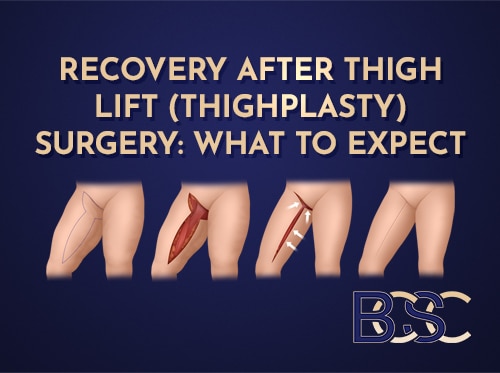
Recovering from thighplasty involves understanding how the body heals after a major surgical procedure. Recovery after a thigh lift (thighplasty) is a structured and gradual process that requires time, planning, and close adherence to post operative care instructions. Thigh lift (thighplasty) surgery is a plastic surgery procedure designed to remove excess skin and, in some cases, excess skin and fat from the upper thighs, inner thigh, and sometimes the outer thigh region. Thigh lift (thighplasty) surgery is most commonly performed after significant weight loss or major weight loss, when excess loose skin does not retract despite a stable weight and healthy
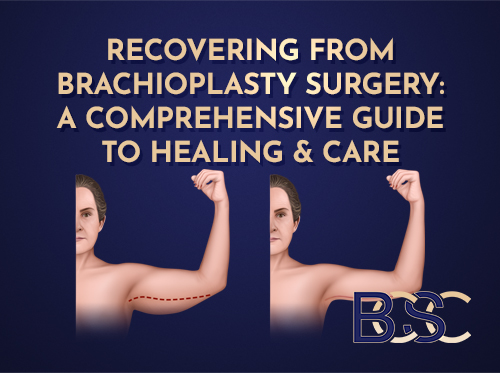
Recovering from brachioplasty surgery is a critical part of the overall surgical journey. While the surgical procedure itself focuses on removing excess skin from the upper arm, it is the recovery phase that allows the body to heal, swelling to resolve, and scars to mature. Understanding what recovery involves helps most patients prepare physically, emotionally, and practically. Brachioplasty, commonly referred to as arm lift surgery, is a reconstructive procedure frequently performed after weight loss, pregnancy, or changes in skin elasticity related to ageing. Understanding Brachioplasty and the Recovery Process Brachioplasty surgery is a surgical procedure designed to treat excess skin
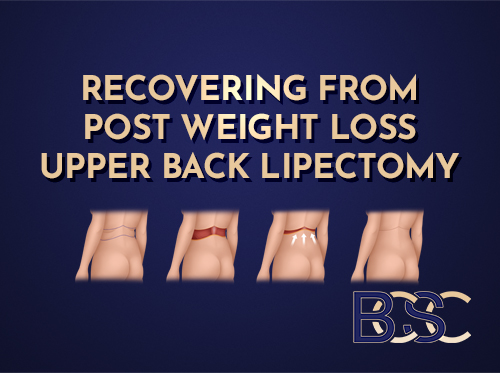
Bra lipectomy (upper back lipectomy) recovery is a staged and carefully supported process that continues well beyond the day of surgery. A bra lipectomy — also known as a bra line back lift, back bra lift, or upper back lipectomy — is a surgical procedure aimed at removing excess skin and fat from the upper and middle back. Within the Body Contouring Surgery Clinic (BCSC) network, recovery is managed as a deliberate phase of care, recognising that proper healing, scar quality, comfort, and the final surgical outcome depend heavily on structured post operative care. This article explains the recovery process after
Our Specialist General Surgeons (FRACS) provide reconstructive and body contouring surgery for patients after significant or massive weight loss. This educational article reviews current evidence on Fleur-de-Lis abdominoplasty complications post weight loss, offering a comprehensive view of outcomes, risk factors, and treatment options. Individual results vary, and all surgery carries risks. Understanding the Fleur-de-Lis Abdominoplasty A Fleur-de-Lis abdominoplasty (commonly referred to as a Fleur-de-Lis tummy tuck) is a major reconstructive surgery within the field of plastic surgery performed to remove excess skin and tighten the abdominal wall following significant weight loss. It is generally considered for post-bariatric surgery patients or
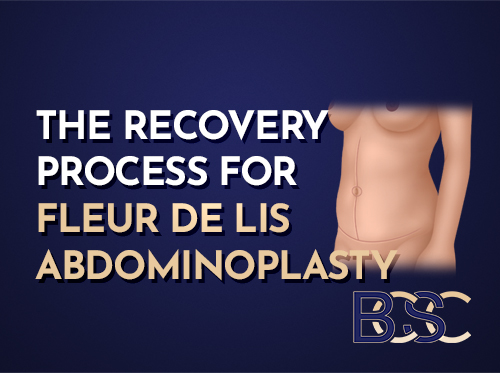
A Fleur-de-Lis abdominoplasty (also known as a Fleur-de-Lis tummy tuck (abdominoplasty)) is a major surgical procedure performed to remove excess skin and tighten the underlying abdominal muscles after significant weight loss. This type of abdominoplasty surgery is a component of reconstructive surgery for patients with significant skin laxity following bariatric surgery, diet, or lifestyle changes. It can treat loose skin in both vertical and horizontal directions and may help comfort and abdominal wall function for some patients. The Fleur-de-Lis abdominoplasty differs from a traditional abdominoplasty (tummy tuck) by including both a horizontal incision and a vertical incision. This allows for
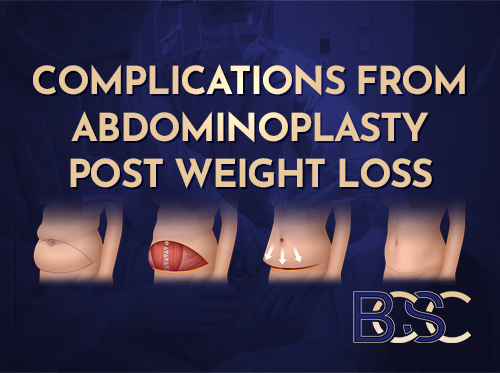
At the Body Contouring Surgery Clinic (BCSC), our team of specialist surgeons perform a wide range of body contouring surgery procedures for patients who have achieved massive weight loss. Many have lost a significant amount of body weight through bariatric surgery, gastric bypass surgery, or lifestyle changes. While achieving significant weight loss can have positive health effects, it may also result in excess skin, weakened abdominal muscles (diastasis recti), and changes in skin elasticity. These anatomical changes may lead some patients to consider abdominoplasty (tummy tuck). Understanding the potential abdominoplasty post weight loss complications is essential for patients and healthcare
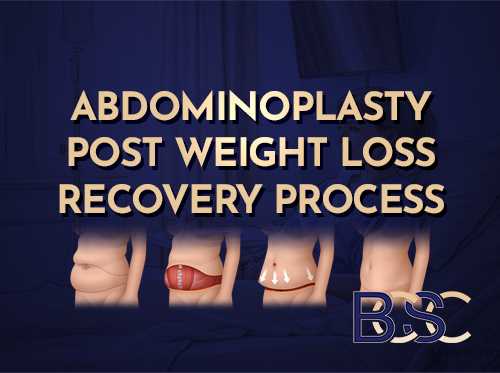
For many people who have achieved significant weight loss—either through bariatric surgery such as a gastric bypass or through lifestyle change—the next stage of their journey is often managing excess skin and fat that does not contract naturally. These changes in the abdominal region can affect mobility, hygiene, and comfort. Some individuals experience rashes, skin irritation, or difficulty finding clothes that fit well after weight loss. An abdominoplasty (tummy tuck) can help with these physical concerns through a carefully planned surgical procedure. An abdominoplasty surgery is performed to remove excess skin and excess fat from the abdominal area, while also