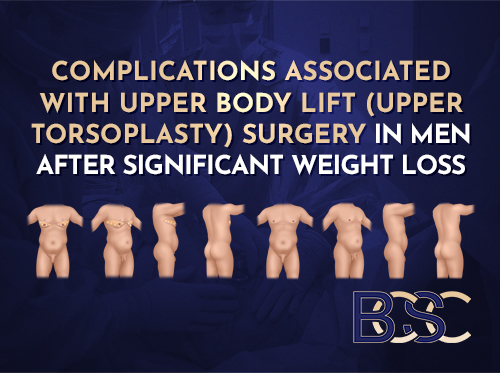
Upper body lift surgery (upper torsoplasty) is a major body-contouring procedure that may be considered for men following significant or massive weight loss, including after
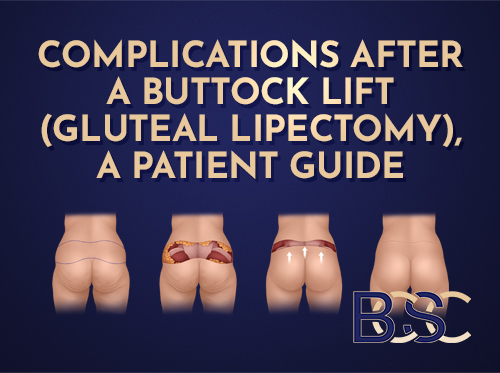
A buttock lift, medically known as a gluteal lipectomy, is a body contouring procedure most commonly performed after significant weight loss. After massive weight loss, many individuals are left with excess skin and loose skin across the lower back and buttocks. Loose skin can result from several factors, including losing weight, pregnancy, and aging. This extra skin does not retract with exercise, physical activity, or maintaining a healthy weight, and can cause functional concerns such as hygiene difficulties, skin irritation, and problems with clothing fit. Collagen is a key protein in the skin, and damage to collagen and elastin fibres
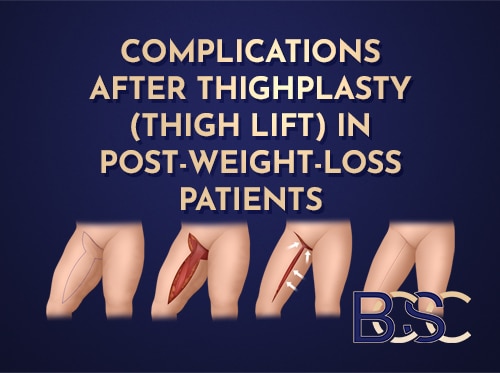
Thighplasty, also known as thigh lift surgery, is a surgical procedure designed to remove excess skin, excess fat, and excess soft tissue of the thighs following significant weight loss. This type of thigh lift (thighplasty) surgery is commonly performed in post‑bariatric patients where skin quality and skin elasticity have been significantly altered. In post‑bariatric and massive weight‑loss patients, the medial and inner thighs are common problem areas due to reduced skin elasticity, altered blood supply, and changes in the underlying soft tissue. Within body contouring and plastic surgery, thighplasty is recognised as a major surgery of the lower body associated
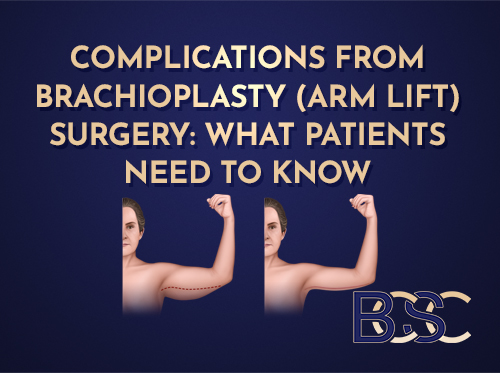
Brachioplasty, often described as arm lift surgery or brachioplasty arm lift surgery, is a surgical procedure performed to reduce excess skin and, in selected cases, excess fat from the upper arms. It is commonly undertaken after significant weight loss, including after bariatric surgery, or when reduced skin elasticity results in persistent loose skin that does not resolve with exercise. As with any surgical procedure, brachioplasty surgery carries risks. While many patients progress through the recovery process without major issues, complications can and do occur. Understanding the nature of these risks, how often they occur, and how they are managed is
A belt lipectomy, often referred to as a lower body lift, is an extensive body contouring surgery performed to remove excess skin and fat that remain after massive weight loss, bariatric surgery, weight loss surgery, or sustained lifestyle changes. Although some patients may use terms such as tummy tuck or extended abdominoplasty, a belt lipectomy differs. It focuses on the entire torso, including the lower abdomen, flanks, back, buttocks, and upper outer thighs. For many post weight loss patients, living with large folds of loose skin can affect comfort, physical activity, clothing choices, and personal hygiene. Obese patients may face
At Body Contouring Surgery Clinic (BCSC), our recovery programs for belt lipectomy (body lift) are structured, evidence-based, and designed to support patients after lower-body lift (Belt lipectomy) surgery. This surgical procedure removes excess skin and tissue from the lower abdomen, flanks, back, and buttocks, typically after significant or massive weight loss or bariatric surgery. Patients often present with functional symptoms, hygiene concerns or difficulty with clothing. Circumferential removal of excess skin folds helps reshape the lower torso and targets functional issues. Research shows that body contouring after major weight reduction can treat physical functioning and quality of life (1). What
Upper and lower abdominal lipectomy performed together is an uncommon but recognised body contouring surgery option for selected post weight loss patients. It is generally considered for individuals who have experienced massive weight loss or significant weight loss, often following bariatric surgery or sustained lifestyle changes, and who are left with persistent excess skin concentrated in the upper abdomen beneath the chest and the lower abdomen below the umbilicus. While this surgical procedure can remove excess skin without repositioning the umbilicus and with limited tissue undermining, it remains major surgery. Like all body contouring procedures performed after weight loss, it
Circumferential hybrid abdominoplasty is one of the most extensive forms of body lift (belt lipectomy) surgery performed within post-weight-loss body contouring. It combines a fleur de lis abdominoplasty with a circumferential abdominoplasty (belt lipectomy) to treat both vertical and horizontal excess skin around the abdomen, flanks, lower back, and entire waistline. At Body Contouring Surgery Clinic (BCSC), this procedure is typically considered for patients who have undergone significant weight loss, including those following bariatric surgery, long-term medical weight loss programs, or lifestyle-driven weight loss. These patients often present with marked excess skin and fat, loose skin, and reduced skin elasticity
Our Specialist General Surgeons (FRACS) provide reconstructive and body contouring surgery for patients after significant or massive weight loss. This educational article reviews current evidence on Fleur-de-Lis abdominoplasty complications post weight loss, offering a comprehensive view of outcomes, risk factors, and treatment options. Individual results vary, and all surgery carries risks. Understanding the Fleur-de-Lis Abdominoplasty A Fleur-de-Lis abdominoplasty (commonly referred to as a Fleur-de-Lis tummy tuck) is a major reconstructive surgery within the field of plastic surgery performed to remove excess skin and tighten the abdominal wall following significant weight loss. It is generally considered for post-bariatric surgery patients or
A Fleur-de-Lis abdominoplasty (also known as a Fleur-de-Lis tummy tuck (abdominoplasty)) is a major surgical procedure performed to remove excess skin and tighten the underlying abdominal muscles after significant weight loss. This type of abdominoplasty surgery is a component of reconstructive surgery for patients with significant skin laxity following bariatric surgery, diet, or lifestyle changes. It can treat loose skin in both vertical and horizontal directions and may help comfort and abdominal wall function for some patients. The Fleur-de-Lis abdominoplasty differs from a traditional abdominoplasty (tummy tuck) by including both a horizontal incision and a vertical incision. This allows for