Abdominoplasty Recovery & Downtime

10/09/2023

Abdominoplasty Recovery & Downtime

Recovery after abdominoplasty (tummy tuck) is a progressive process that unfolds over weeks and months. Most patients need two to three weeks of initial healing before resuming light activities. However, swelling and scars continue to settle for much longer. Residual swelling may last up to twelve to eighteen months, and scar maturation can extend to two years. Each patient’s recovery is unique, influenced by health, age, fitness, and whether abdominal muscle repair (diastasis recti) or ultrasound-assisted liposuction (VASER) was included in the operation. Abdominoplasty is designed to remove redundant skin and fat and, when necessary, repair weakened abdominal muscles. It

Read more
14/08/2023

How Long Does Abdominoplasty Surgery Take?

Abdominoplasty surgery time varies depending on the type of operation and whether suction-assisted lipectomy (liposuction) is included. As a general guide: These are average estimates only. Each procedure is tailored to the individual, and surgery may take longer or shorter depending on patient anatomy, previous surgery, and whether additional steps such as hernia repair or muscle tightening (Diastasis recti) are required. Average Duration of Abdominoplasty Surgery A mini abdominoplasty is usually the shortest procedure, limited to the lower abdomen below the umbilicus (belly button). A full abdominoplasty addresses both the upper and lower abdominal wall, often with muscle tightening and

Read more
What You Need to Know About Tummy Tuck Scarring

10/08/2023

What You Need to Know About Abdominoplasty Scarring

Every surgical procedure, whether cosmetic or reconstructive, carries certain risks. One of the most predictable outcomes of surgery is the formation of a scar. Abdominoplasty (commonly called a tummy tuck) is no exception. Scarring is a natural part of the healing process after surgery. While abdominoplasty scars vary in length, shape, and location depending on the type of procedure performed, there are ways to support healthy healing and reduce the risk of problematic scarring. This article explains the different types of scars that may occur, what scar placement looks like for each kind of abdominoplasty, how scars change over time,

Read more

08/08/2023

15 Exercises Every Abdominoplasty Patient Must Know

Contrary to popular opinion, an abdominoplasty is not a shortcut to losing weight. I blame these unrealistic expectations on the colloquial use of the term “tummy tuck” to refer to an abdominoplasty. Because of this, far too many people think that an abdominoplasty will turn an overweight person into a slim one. But getting in shape isn’t a job you outsource to somebody else, even a specialist surgeon. Achieving your goal weight and ideal body will take effort from your side. This means adopting a healthy lifestyle and following a disciplined exercise programme. Why Your Weight Matters Before an Abdominoplasty

Read more
Everything You Need to Know about Diastasis Recti

02/08/2023

Everything You Need to Know about Diastasis Recti

Diastasis of the rectus abdominis muscles (DRAM) is a condition in which the two vertical abdominal muscles, commonly called the “six-pack muscles,” separate due to overstretching of the connective tissue between them. This connective tissue is called the linea alba. Clinically, diastasis recti is defined as an inter-rectus distance (IRD) of more than 30 mm, three centimetres above the umbilicus (belly button), measured at rest. While a small separation can be normal, larger gaps may cause both cosmetic and functional issues. Understanding the Anatomy The rectus abdominis muscles run vertically from the rib cage to the pubic bone. The linea

Read more

30/07/2023

How Your Weight Affects Abdominoplasty Surgery Results

Body weight plays an important role in how patients respond to abdominoplasty (tummy tuck) surgery. While Body Mass Index (BMI) is a useful guide, it is not the only factor surgeons consider. Body fat distribution, abdominal wall strength, and the amount of excess skin are equally important when assessing suitability for surgery. Most surgeons prefer patients to be within a healthy weight range before abdominoplasty. Those with a BMI over 40 are generally not advised to undergo the procedure due to the higher risk of complications. However, decisions are always made on a case-by-case basis after a thorough consultation with

Read more
Everything You Need to Know About Abdominoplasty Complications

28/07/2023

Everything You Need to Know About Abdominoplasty Complications

Like any procedure performed under general anaesthesia, an abdominoplasty carries risks. With more Australians choosing body contouring operations after pregnancy or weight loss, it is important to understand the potential complications before proceeding. What is an Abdominoplasty? An abdominoplasty is a surgical procedure designed to remove redundant abdominal skin and fat while also tightening the underlying muscles and connective tissues. The aim is to restore strength to the abdominal wall and address tissue laxity that may result from pregnancy, ageing, or major weight loss. How Common is Abdominoplasty in Australia? A 2022 Finder report estimated that more than 1.2 million

Read more
Abdominoplasty Vs. Lipectomy

26/07/2023

Abdominoplasty Vs. Lipectomy

Many patients seek surgery to address excess abdominal fat and loose skin, particularly when diet and exercise have not produced the desired changes. Among the most common surgical options are abdominoplasty and lipectomy. While these terms are sometimes used interchangeably, they describe procedures with distinct purposes and outcomes. Understanding their differences is important before deciding which is appropriate for you. What is Abdominoplasty? The term abdominoplasty comes from the Latin abdominis (abdomen) and the Greek suffix -plasty (to mould or shape). An abdominoplasty is more than the removal of fat and skin—it also addresses the abdominal wall. Surgeons can repair

Read more

22/07/2023

Planning an Abdominoplasty? Here’s What Your Post-abdominoplasty hospital stay

Let’s be frank — nobody looks forward to spending days in a hospital bed. But when it comes to major surgery, including body contouring operations like abdominoplasties, a hospital stay is often recommended. An abdominoplasty (tummy tuck surgery) removes excess skin, fat, and connective tissue from the lower abdomen. Any abdominoplasty larger in scope than a mini procedure places significant stress on the body, and staying in hospital for a period after surgery provides both safety and comfort. This article will guide you through what to expect immediately after surgery, why hospital care is recommended, how long you may need

Read more
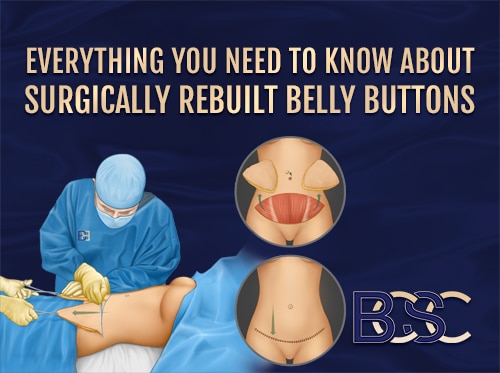
Everything You Need to Know about Surgically Rebuilt Belly Buttons

18/07/2023

Everything You Need to Know about a Surgically Rebuilt Umbilicus

The world has two kinds of people: Those with “innies” and those with “outies.” Unlike hair, make-up, or muscles, the appearance of the umbilicus (belly button) is not something most people can easily change on their own. An abdominoplasty (commonly called a tummy tuck) is a surgical procedure that reshapes the abdominal wall. One of its important steps involves the creation of a surgically reconstructed umbilicus. For many patients, this means leaving the operating theatre with a new, carefully designed navel that suits their body shape. People may consider altering their umbilicus for health-related reasons, or for aesthetic preferences. The

Read more