Recovery After Thigh Lift (Thighplasty) Surgery: What to Expect
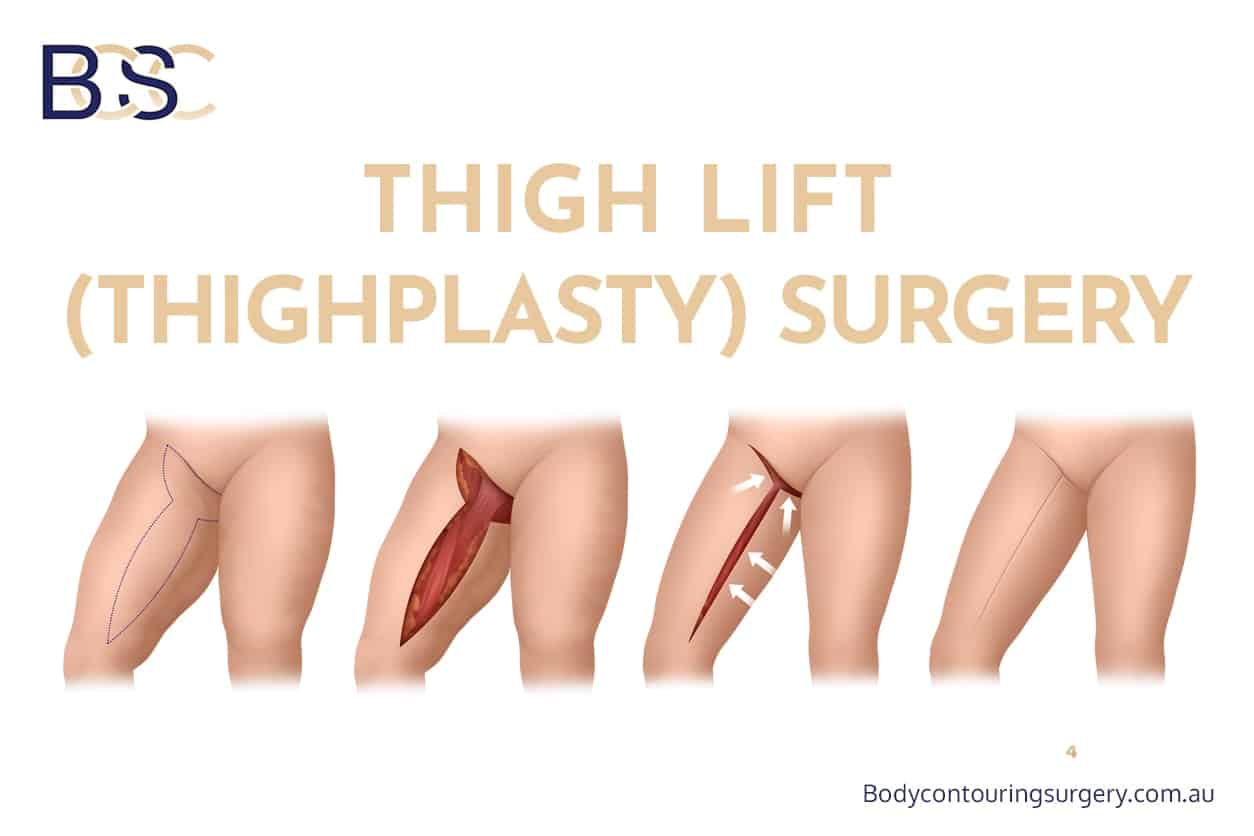
Recovering from thighplasty involves understanding how the body heals after a major surgical procedure. Recovery after a thigh lift (thighplasty) is a structured and gradual process that requires time, planning, and close adherence to post operative care instructions. Thigh lift (thighplasty) surgery is a plastic surgery procedure designed to remove excess skin and, in some cases, excess skin and fat from the upper thighs, inner thigh, and sometimes the outer thigh region.
Thigh lift (thighplasty) surgery is most commonly performed after significant weight loss or major weight loss, when excess loose skin does not retract despite a stable weight and healthy lifestyle. Because this thigh lift (thighplasty) procedure involves long incision sites and tissues that move constantly during normal activities, the recovery period is often longer than many other body procedures.

Recovery after a thigh lift (thighplasty) is a structured and gradual process that requires time, planning, and close adherence to postoperative care instructions. Thigh lift (thighplasty) surgery is performed to remove excess skin and, in some cases, excess fat from the thighs, most commonly in patients following significant or major weight loss.
Because this procedure involves long incision lines and areas of the body that are constantly moving during daily activities, the recovery period is often longer and more involved than patients initially expect. Healing timelines vary between individuals, and recovery should be approached as a staged process rather than a single milestone.
This article outlines what patients can generally expect during thigh lift (thighplasty) recovery, including hospital stay, early aftercare, wound management, activity restrictions, swelling patterns, scar care, and longer-term recovery milestones.
Understanding Thigh Lift (Thighplasty) Recovery
Thigh lift (thighplasty) recovery is frequently underestimated. A thigh lift (thighplasty) is a surgical procedure designed to remove excess tissue and reshape the thigh region after significant weight changes. Unlike smaller body contouring procedures, the thighs are exposed to constant movement, friction, and pressure, which directly affects the healing process.
Patients who have undergone significant weight loss often have reduced skin elasticity and altered lymphatic drainage. These factors can influence wound healing, swelling, skin sensation, and scar healing. For this reason, recovering from thighplasty should be viewed as a healing journey that progresses in stages.
Most patients benefit from careful planning, realistic expectations, and regular follow-up appointments during the early recovery period.
Surgery Setting and the First 24 Hours After Thigh Lift (thighplasty) Surgery
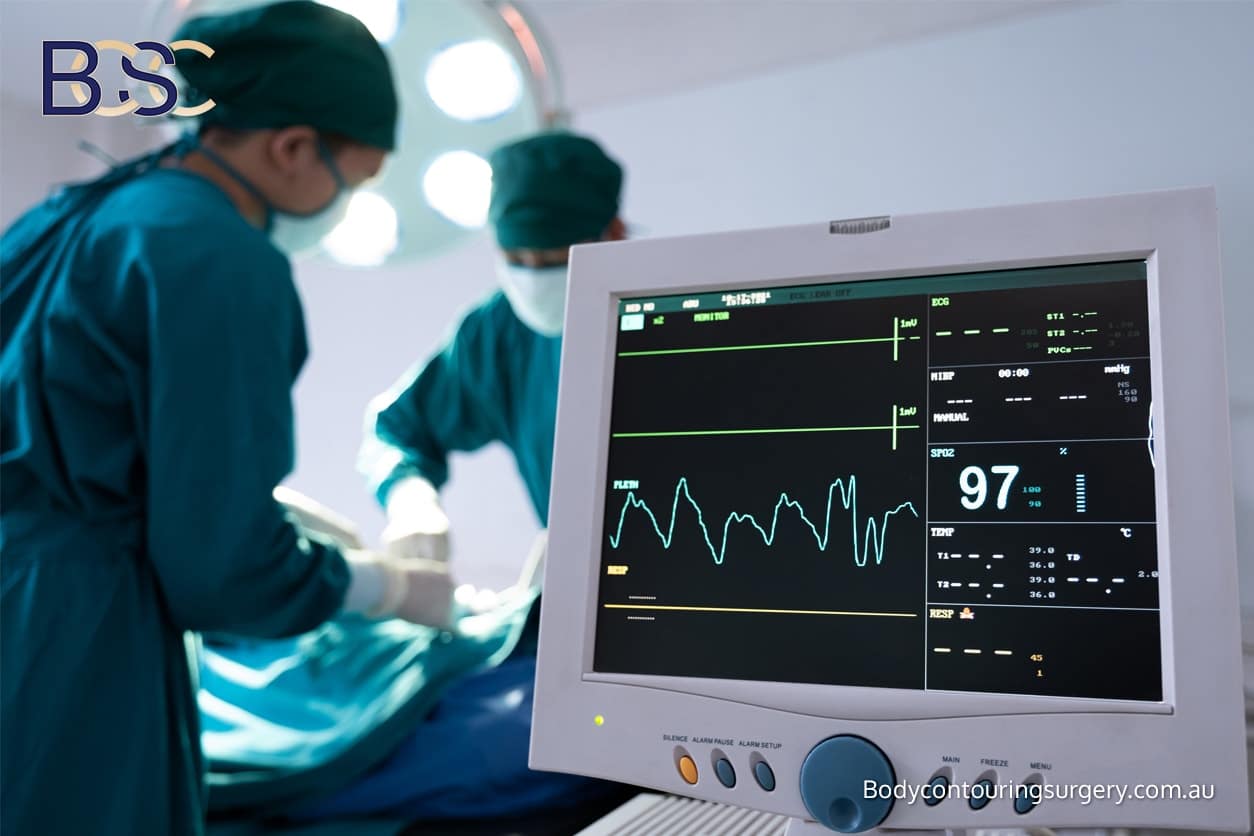
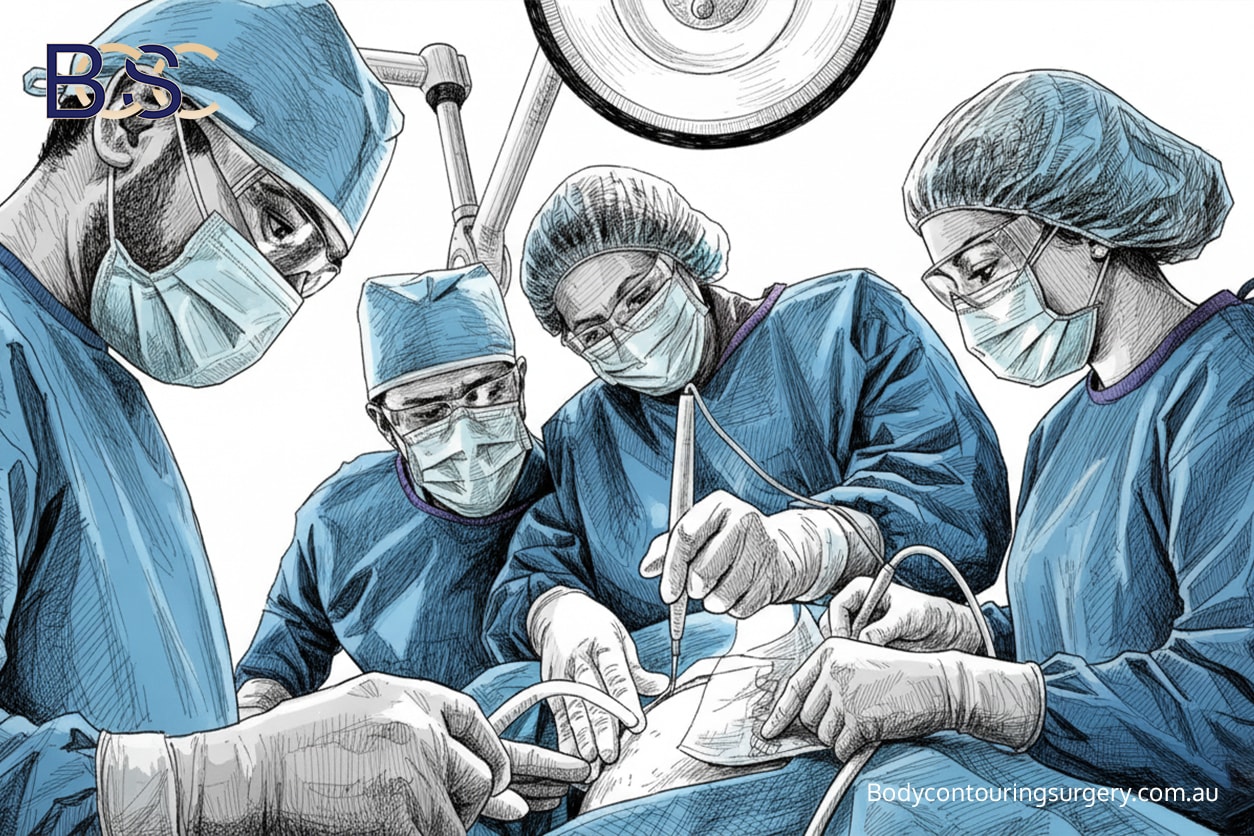
Thigh lift (thighplasty) surgery is performed under general anaesthesia as a specialist surgery procedure. Depending on the extent of the thigh lift (thighplasty) procedure, medical history, and patient considerations, surgery may be performed as a day-only procedure or with an overnight stay in a private hospital.
During the first 24 hours, the focus is on patient recovery, pain control using prescribed medication, monitoring for excess fluid or bleeding, and encouraging early movement. Gentle mobilisation helps maintain blood circulation and reduces the risk of blood clots.
Discharge is based on comfort, mobility, and overall medical stability, with detailed post-operative instructions provided before discharge.
Thigh lift (thighplasty) surgery is performed under general anaesthesia. Depending on the extent of the surgery and individual medical factors, the procedure may be performed as a day-only procedure or with an overnight stay in a private hospital.
In the first 24 hours after surgery, care focuses on pain control, monitoring for bleeding or fluid collection, and early mobilisation. Patients often feel tired, sore, and stiff during this period. Assisted walking is encouraged soon after surgery to promote circulation and reduce the risk of blood clots.
Discharge timing is based on comfort levels, mobility, and overall medical stability.
The First Two Weeks After Thigh Lift (Thighplasty)
The first two weeks after thigh lift (thighplasty) surgery are the most intensive phase of recovery.
Pain, Swelling, and Bruising
Mild to moderate discomfort is common during the early recovery period, particularly when moving from sitting to standing or during walking. Prescribed pain relief is used as directed to manage discomfort.
Swelling and bruising are expected. Swelling is usually most noticeable in the upper and inner thighs but may extend into the lower legs. Bruising generally resolves within two to three weeks, while swelling resolves more gradually.
Approximately 60–80% of swelling reduces within the first three months, with further improvement over several additional months.
Compression Garments and Swelling Management During Thigh Lift (thighplasty) Recovery
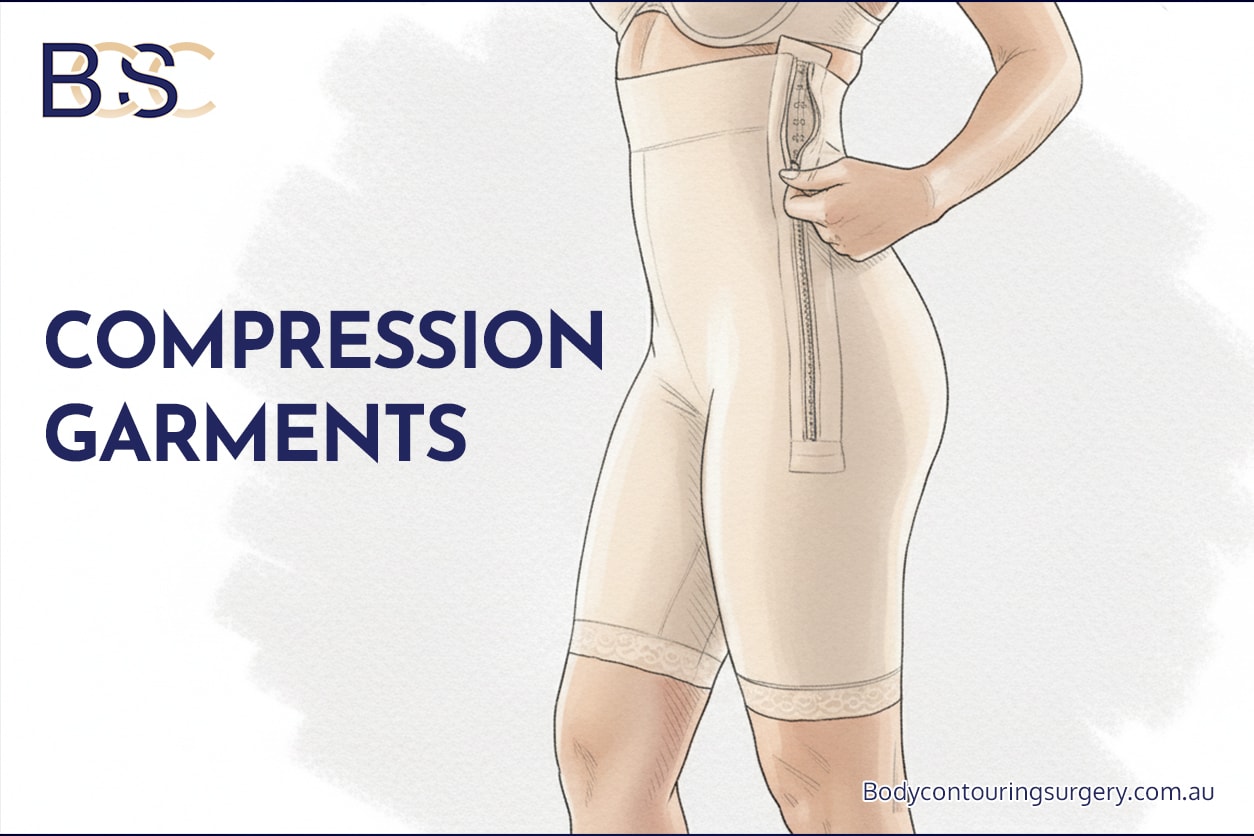
Compression garments play a central role in thigh lift recovery. Patients are advised to wear compression garments to provide gentle pressure, support healing tissues, and minimise swelling during the recovery period.
Compression garments also help reduce excess fluid accumulation and support proper healing around incision sites. Most patients are instructed to wear compression garments continuously for approximately six weeks, unless advised otherwise.
Failing to wear compression garments as recommended may increase swelling and delay optimal healing.
Compression garments form a critical part of thigh lift (thighplasty) recovery. These garments provide consistent support to healing tissues, help control swelling, and reduce the risk of fluid accumulation, such as seroma.
Patients are usually advised to wear compression garments continuously for the first four weeks, followed by another two weeks of part-time use. This phased approach helps provide consistent support to healing tissues, minimises swelling, and reduces the risk of fluid accumulation during the critical early stages of thigh lift recovery. Removing compression too early may increase swelling or delay healing.
Wound Care and Early Follow-Up
In-Clinic Aftercare Protocol
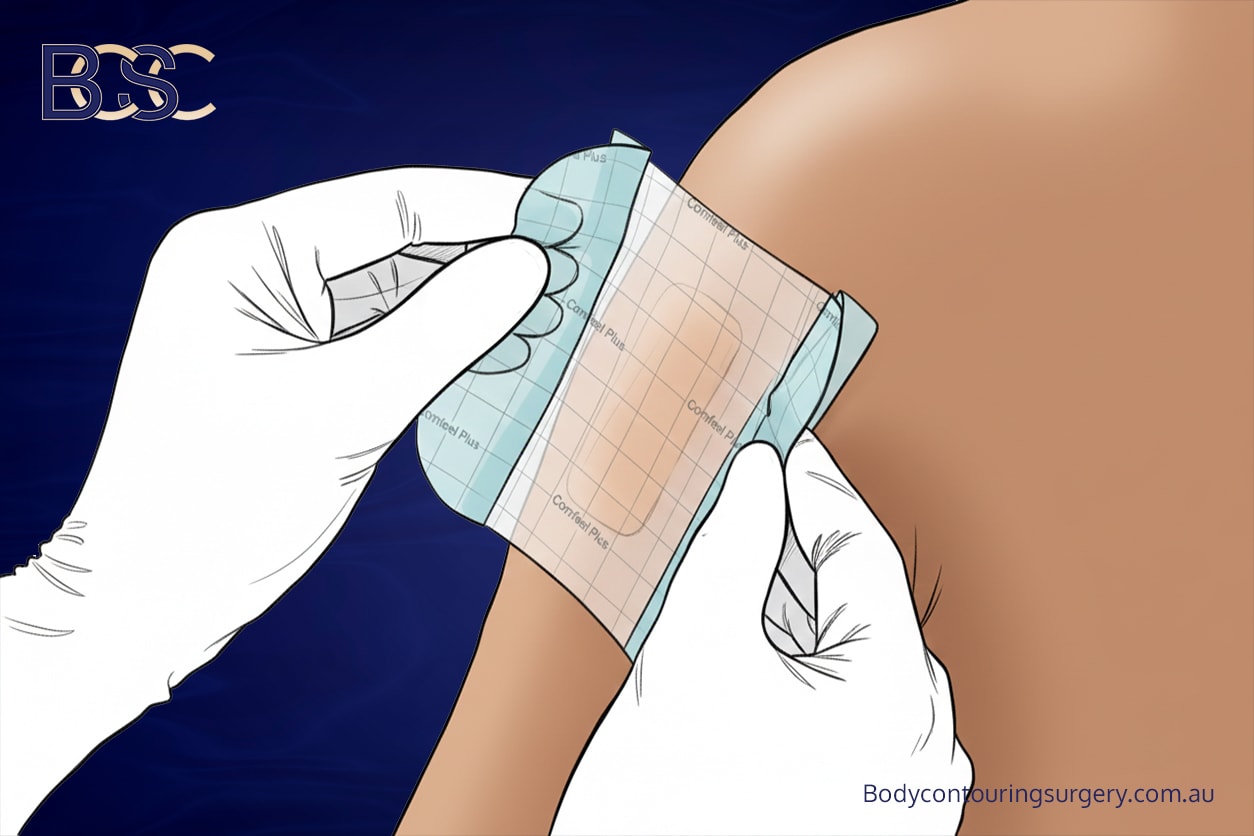
Following thigh lift (thighplasty) surgery, wounds are typically managed with wound dressings such as Comfeel dressings. These dressings are designed to protect incision lines and support early wound healing.
Dressings are usually left in place during the first postoperative week and are commonly changed at around day 7, unless earlier review is required.
During the first two weeks after surgery, patients are generally reviewed two to three times per week by the clinic nursing team and surgeon. These appointments allow close monitoring of wound healing, swelling, and early complications, and adjustments to care are made as needed.
This period of frequent review is an important part of postoperative care following thigh lift (thighplasty) surgery, particularly in post-weight-loss patients.
LED Light Therapy (Healite II)
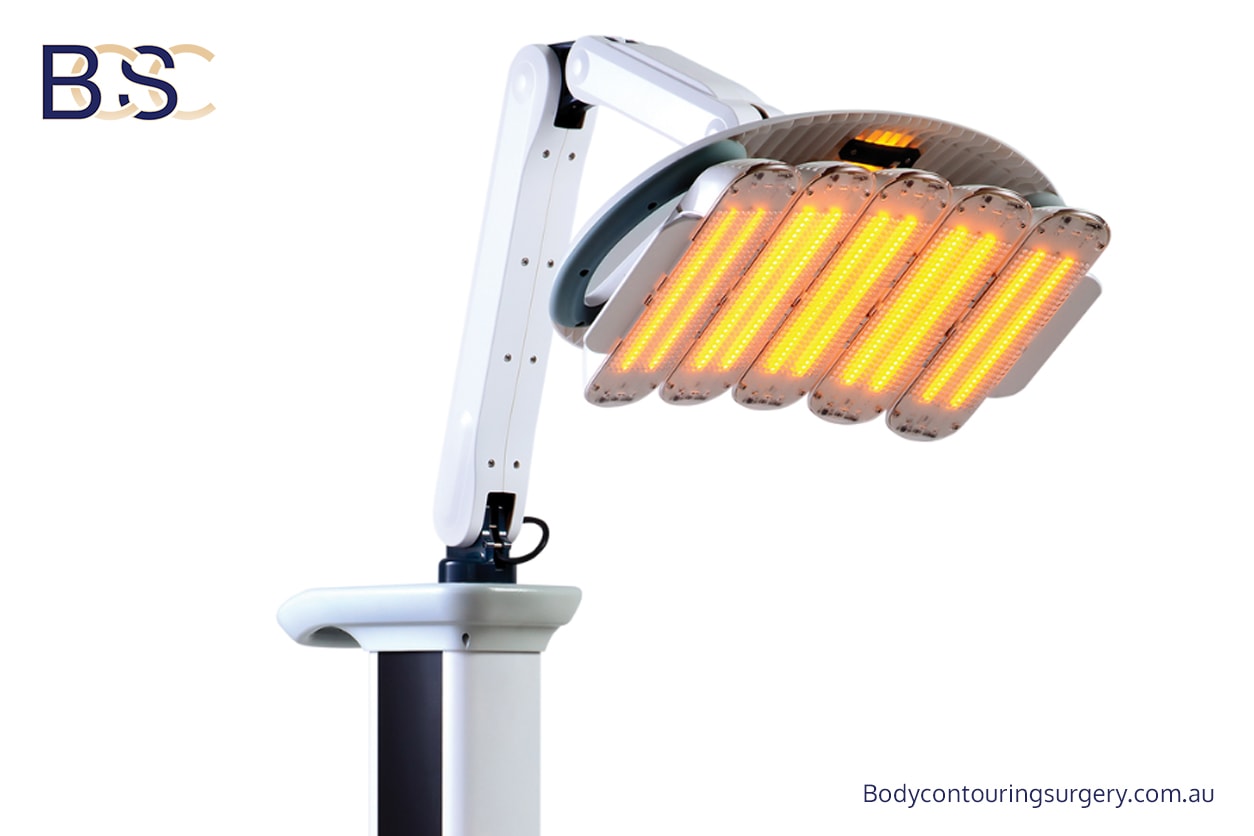
As part of structured postoperative care, LED light therapy using the Healite II system may be incorporated during early follow-up visits. LED light treatment is non-invasive and is performed in the clinic alongside routine wound checks and dressing care.
Healite II LED therapy is commonly used during the first 2 weeks after thigh lift (thighplasty) surgery, particularly after more extensive procedures or in patients with a higher wound-healing risk.
LED light therapy is intended to support the body’s healing processes. Individual responses vary, and LED treatment does not replace standard wound care, compression garments, or scheduled follow-up appointments.
Incision Sites and Wound Healing
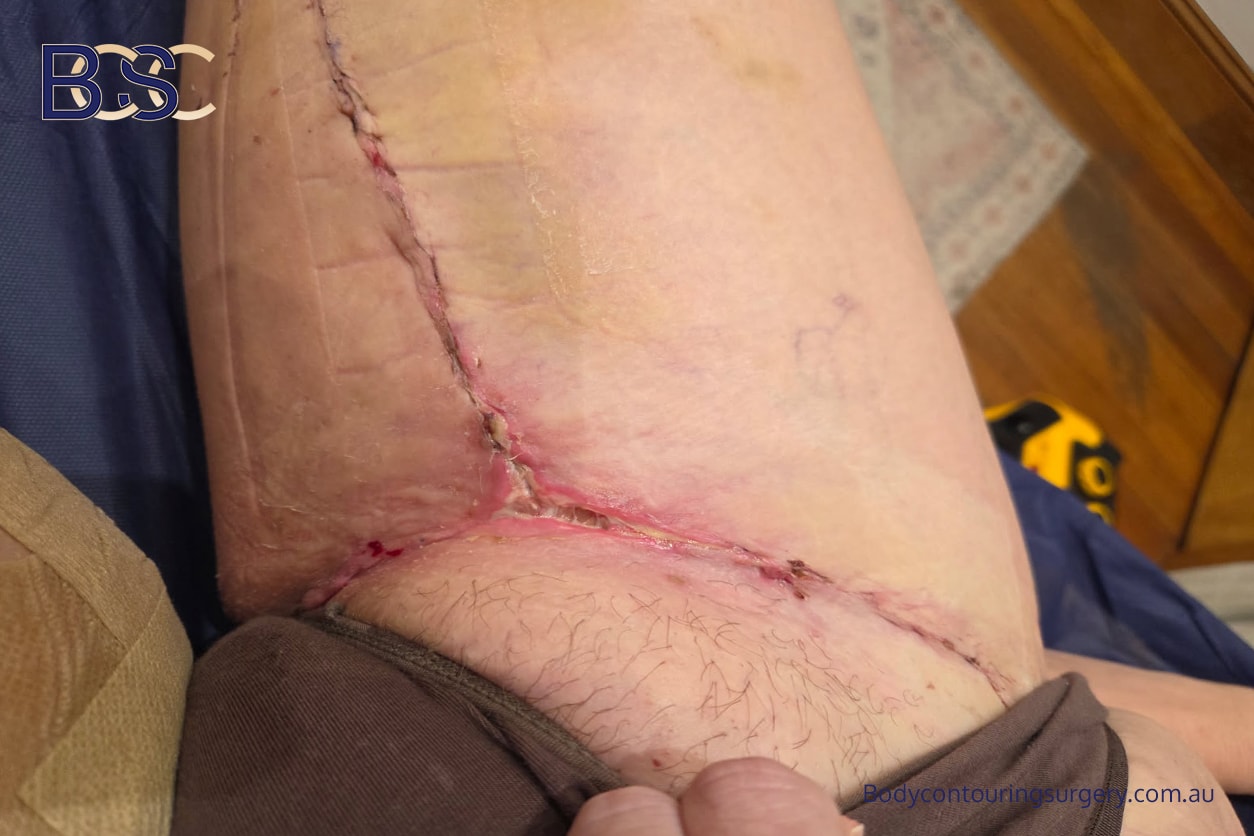
Wound breakdown in the T junction of a full Thighplasty
The location and length of incision sites depend on the surgical technique used. Incisions may be positioned within the groin crease, along the inner thigh, or extend vertically toward the knee.
Keeping incision sites clean, dry, and protected from friction is essential during the early recovery phase. Small areas of delayed wound healing or minor wound breakdown can occur, particularly after medial thigh lift (thighplasty) procedures. These issues are commonly managed with dressings and close follow-up.
Weeks Two to Six: Gradual Return to Activity
Between two and six weeks after thigh lift (thighplasty) surgery, most patients experience gradual progress in comfort and mobility.
Light walking is encouraged, while activities that place strain on incision lines should be avoided. During this period, patients are generally advised to:
- Avoid heavy lifting for at least six weeks
- Avoid strenuous exercise and lower-body workouts
- Avoid sudden stretching, deep squatting, or wide leg movements
Driving may be resumed once patients are no longer taking strong pain medication and can move comfortably without placing tension on the surgical area. Returning to work depends on the physical demands of the role.
Swelling, Lymphatic Changes, and Ankle Swelling
Lower leg and ankle swelling is a recognised part of thigh lift (thighplasty) recovery. At least 10% of patients experience persistent ankle swelling, which may last for several months and, in some cases, up to one year.
Compression garments, gradual mobilisation, and lymphatic massage may assist in reducing swelling. Full recovery of lymphatic drainage can take time, and patients should be aware that prolonged swelling does not necessarily indicate a complication.
Thigh Lift (thighplasty) Scars, Scar Healing, and Long-Term Care
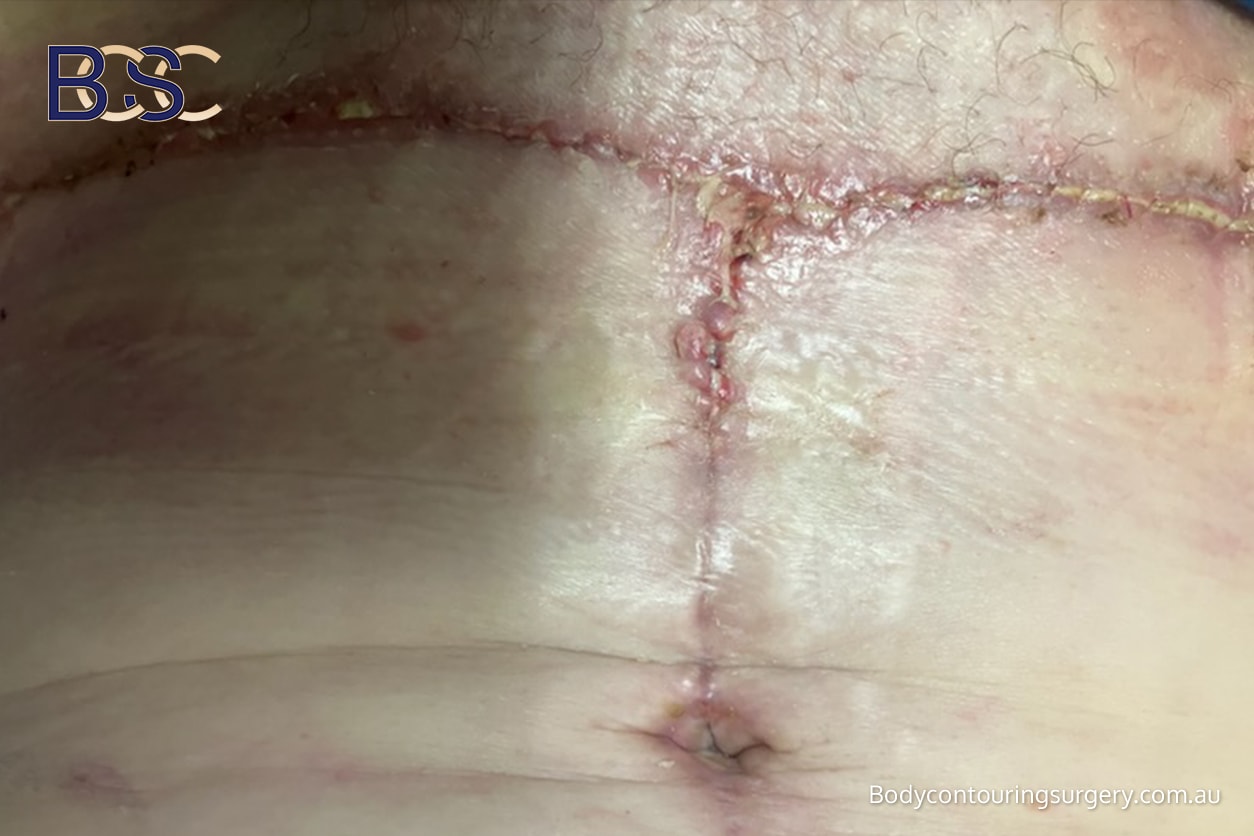
Scars with minor breakdown
Thigh lift (thighplasty) scars are an unavoidable result of thigh lift (thighplasty) surgery. The appearance and location of thigh lift (thighplasty) scars depend on the surgical technique used, including medial thigh lift (thighplasty) approaches or techniques treating the outer thigh.
Scar healing is a gradual process that typically continues for 12 to 18 months. Early scar management may include silicone gel or silicone sheets, protecting scars from sun exposure, and measures to prevent friction and moisture from irritating scars.
Scar appearance varies between individuals, and patients are advised to protect scars and follow post-operative care instructions to support optimal outcomes.
Scarring is an unavoidable part of thigh lift (thighplasty) surgery. While scars are permanent, they typically soften and fade over time.
Scar maturation occurs gradually over 12–18 months. Early scar management may include:
- Silicone gel or silicone sheets
- Sun protection
- Reducing moisture and friction, particularly in the groin crease
Scar appearance varies between individuals and depends on skin type, healing response, and surgical technique.
Long-Term Recovery Timeline and Full Recovery Expectations
The recovery process after thigh lift (thighplasty) surgery extends well beyond the initial weeks. Full recovery following thigh lift (thighplasty) surgery can take 12 months or longer.
Typical recovery milestones include:
- First two to three weeks: Swelling, bruising, mild discomfort, and limited normal activities
- Around six weeks: Gradual return to most normal activities, avoiding heavy lifting and strenuous exercise
- Three to six months: Ongoing reduction in swelling, improvement in skin sensation, and continued healing process
- Twelve months and beyond: Scar maturation and final surgical outcomes
Maintaining a stable weight, attending regular follow-up appointments, and following post-operative care instructions all help ensure proper healing and optimal outcomes.
Recovery following thigh lift (thighplasty) surgery continues well beyond the initial healing phase.
Follow-Up and Ongoing Care

Postoperative care involves frequent early reviews followed by longer-term follow-up appointments. Patients who travel from outside the local area are generally advised to remain in the area for 7–10 days after surgery, depending on the extent of the procedure.
After the early recovery phase, ongoing care can be coordinated in conjunction with the patient’s general practitioner, with communication between the clinic and GP to support wound care and recovery closer to home.
Routine follow-up appointments typically continue at one, three, six, and twelve months.
Realistic Expectations After Thigh Lift (Thighplasty)

Setting realistic expectations is an essential part of recovering from thighplasty. While thigh lift (thighplasty) surgery can provide significant benefits in comfort and function by removing excess skin, healing timelines vary among individuals.
Most patients experience gradual changes rather than immediate change. Understanding the recovery process, committing to postoperative care, and maintaining a healthy lifestyle all contribute to long-term surgical outcomes.

Location of practice: 30 Belmore Rd, Lorn, NSW 2320
Area of interest:
Body contouring surgery post pregnancy and post-weight loss, including Abdominoplasty, Mastopexy, Breast augmentation (Augmentation mammoplasty), Brachioplasty and Thighplasty.