Recovery After a Buttock Lift (Gluteal Lipectomy): What Patients Should Expect
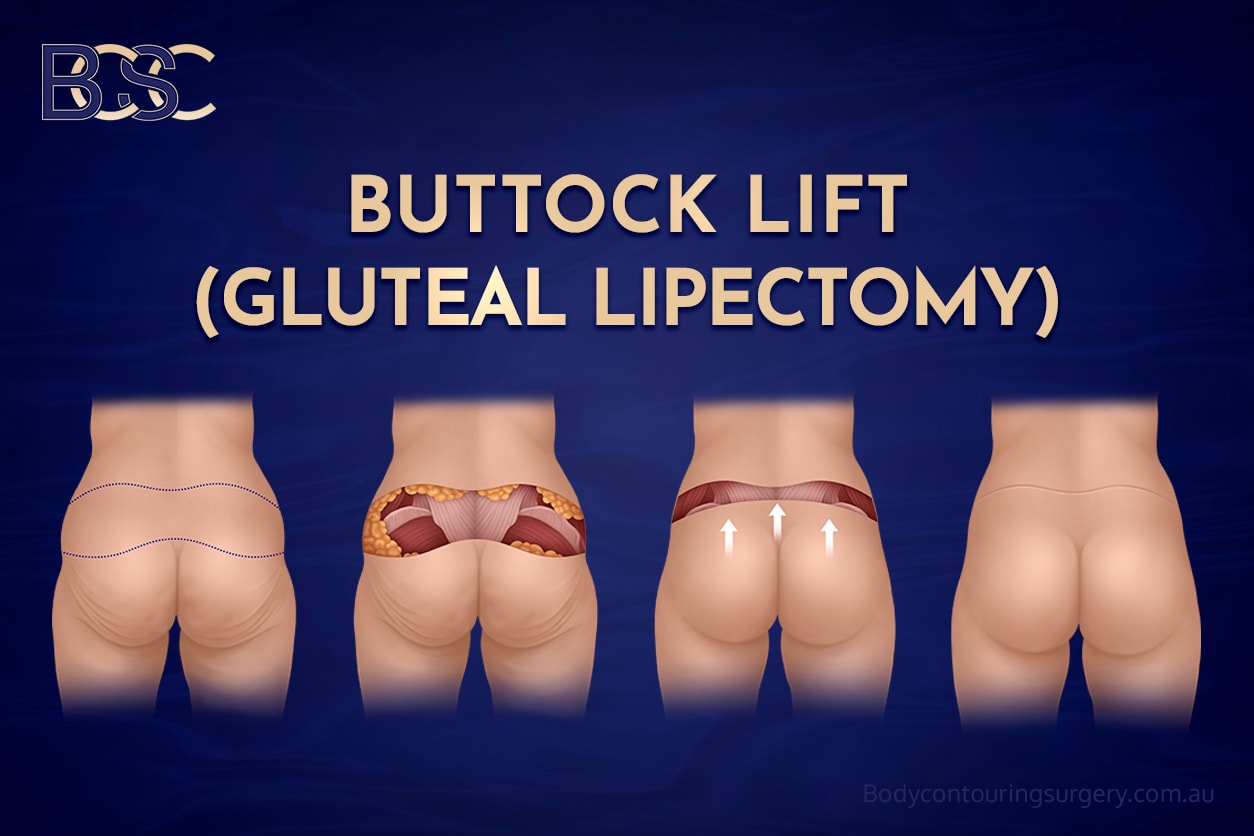
Recovery following a buttock lift (gluteal lipectomy) is a staged process that unfolds over several months. For many patients, particularly those who have experienced significant weight loss, this procedure forms part of a broader body contouring journey rather than a single, isolated operation. A buttock lift (Gluteal Lipectomy) is a functional surgery aimed at treating the appearance of the buttocks by removing excess skin and fat.
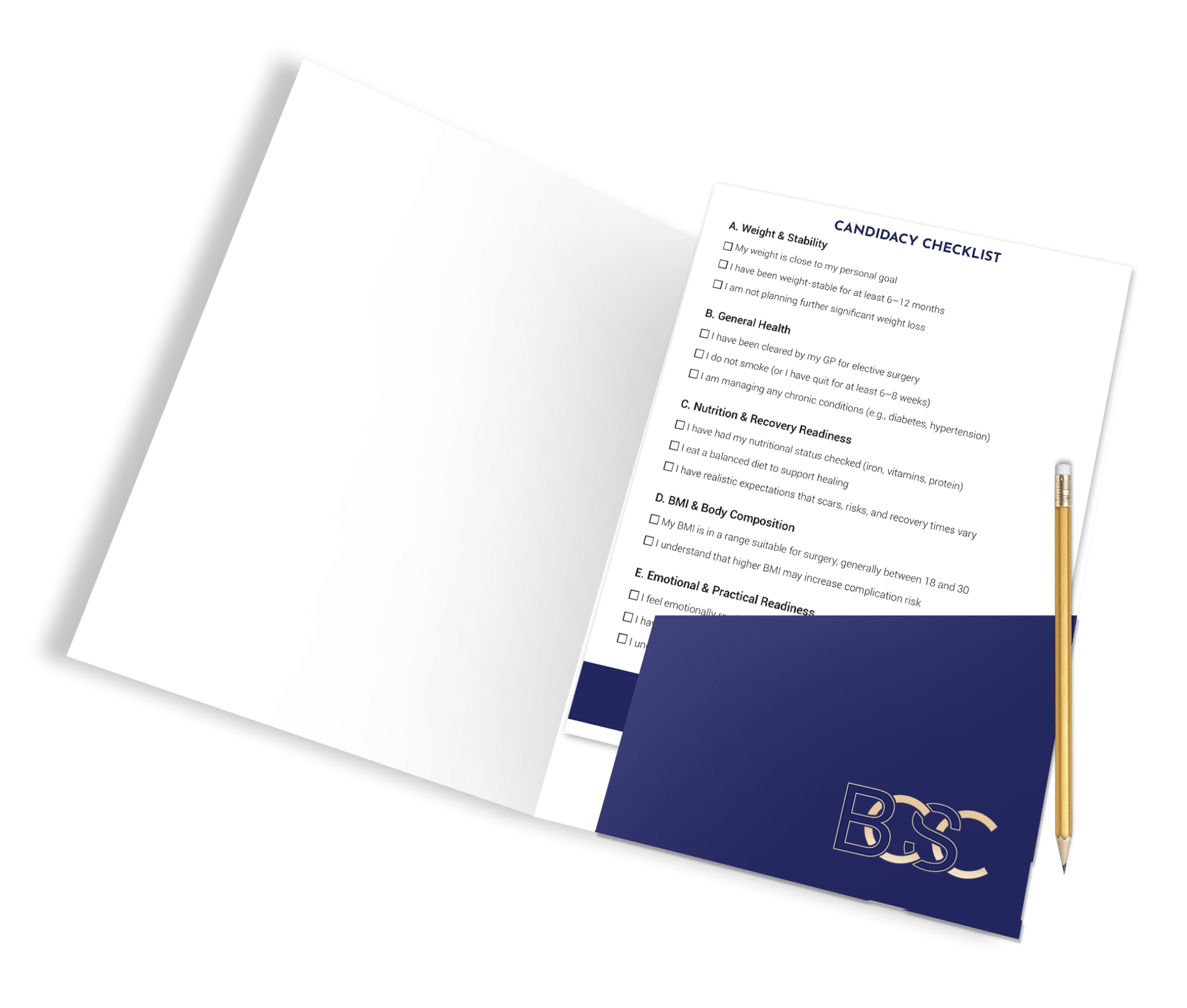
Understanding what recovery involves — including its physical demands, follow-up requirements, and practical limitations — is an important part of informed decision-making. A buttock lift (Gluteal Lipectomy) can be performed as part of a lower body lift (belt lipectomy) to contour the buttocks, groin, thighs, and abdomen, and is often combined with other body contouring procedures. This guide outlines how recovery is typically managed within the Body Contouring Surgery Clinic (BCSC) framework and what patients are commonly advised during each phase of healing.
Understanding the Procedure and Its Recovery Requirements
A buttock lift, medically referred to as a gluteal lipectomy or buttock lipectomy, is a type of reconstructive surgery and surgical procedure that removes excess skin and fat from the lower back and upper buttock region. The remaining skin is then repositioned to create a more toned look. It is most commonly performed for patients after major weight loss, where skin elasticity has not returned despite weight stabilisation.
The surgery focuses on skin excision and tissue repositioning. It does not involve fat transfer or implants and should not be confused with gluteal augmentation procedures, which have different indications and recovery profiles.
A tummy tuck (abdominoplasty) is another body contouring surgical procedure that is sometimes combined with a buttock lift (Gluteal Lipectomy) for comprehensive results.
A gluteal lipectomy may be performed:
- As the posterior component of a belt lipectomy (lower body lift), or
- As a standalone procedure in selected patients
Hospital Stay and Immediate Post-Operative Care
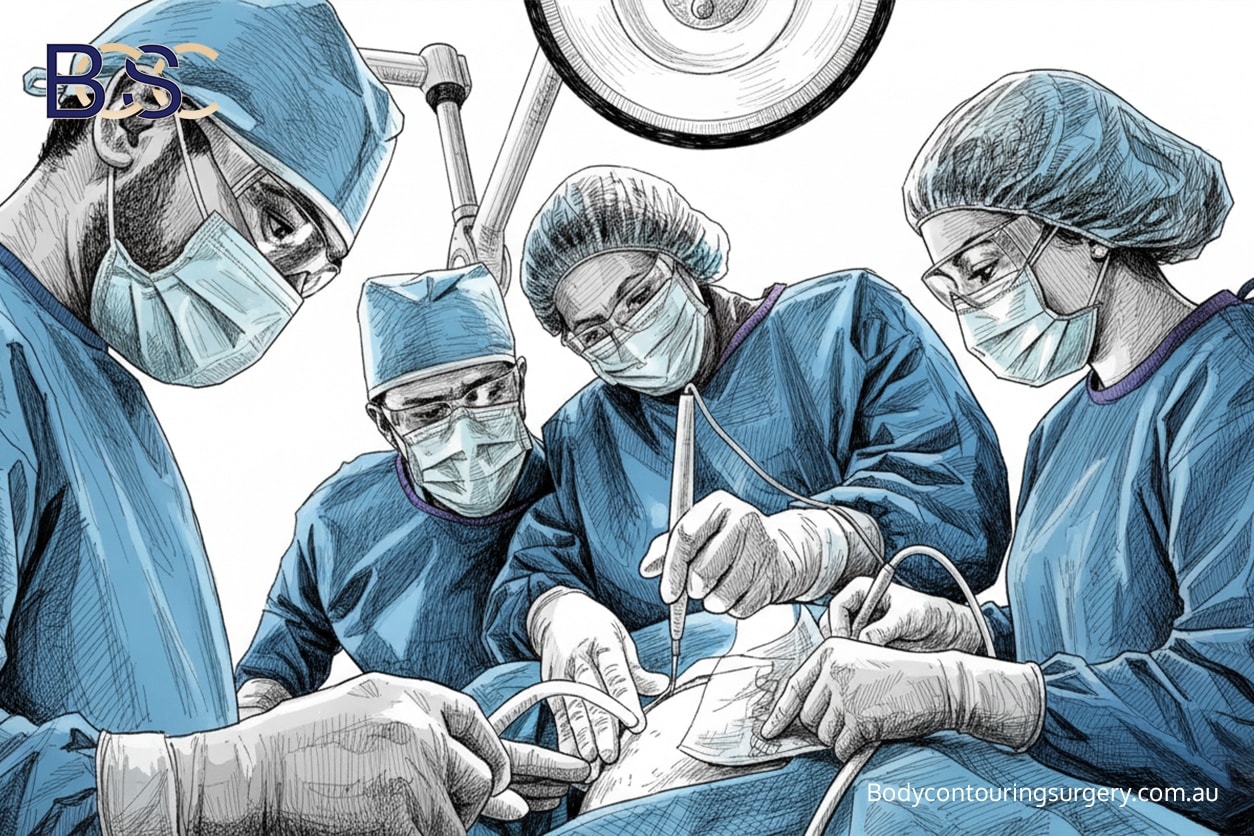
A buttock lift (Gluteal Lipectomy) can be performed in either an accredited day surgery or a hospital, depending on the patient’s health and the extent of the procedure. The procedure is performed under general anaesthesia by a qualified specialist general surgeon. Preoperative blood tests are typically required before surgery. In most cases, it is managed as a day procedure, with patients discharged once pain control, mobility, and clinical observations are stable. An overnight stay may be recommended for selected patients, particularly when surgery is more extensive or combined with other procedures.
During the first 24–72 hours, patients can expect:
- Swelling and bruising around the surgical site
- Discomfort managed with prescribed pain relief
- Dressings and, in some cases, surgical drains
- Early assisted mobilisation to reduce clotting risk
After a buttock lift (gluteal lipectomy), your incision will likely be covered with a surgical dressing, and you might need to continue taking an antibiotic to prevent infection.
Patients are discharged with clear written instructions and direct access to the clinic for early concerns.
Early Recovery Phase: The First Two Weeks
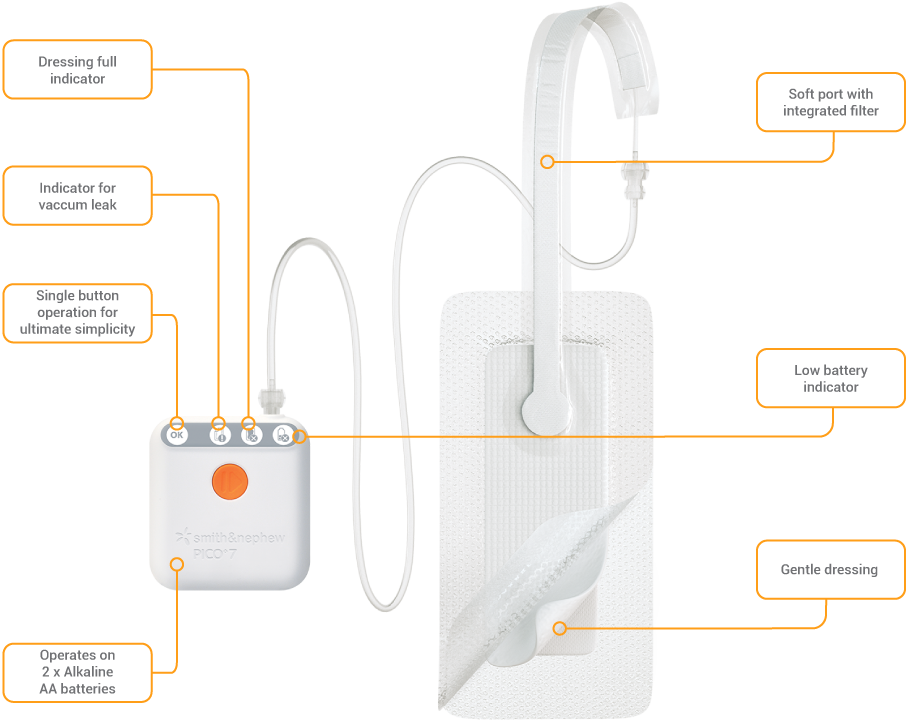
PICO dressing
The initial two-week period focuses on wound care, swelling management, and monitoring for early complications. This is the most closely supervised phase of recovery.
Within the BCSC care model, patients usually attend the clinic two to three times per week during this period. These visits allow for:
- Dressing changes and wound review
- Drain monitoring and removal when appropriate
- Assessment of swelling, bruising, and skin viability
- Early intervention if concerns arise
During this time, patients are monitored for signs of infection, bleeding, and excess blood or fluid accumulation, which may require intervention. You will be shown how to empty and care for your drains after surgery. Wearing a supportive garment is important to reduce swelling and support healing. It is essential to follow all post-operative instructions to promote proper healing and reduce the risk of complications.
Compression garments are worn continuously. Activity is limited to short, regular walks, and prolonged sitting is avoided or modified. Support at home is strongly recommended, particularly during the first week.
Intermediate Healing Phase: Weeks Three to Six
As healing progresses, swelling and bruising gradually reduce. Clinic visits typically become less frequent, although active follow-up continues.
During this stage:
- Fatigue is common, particularly in post-weight-loss patients
- Daily activity levels increase gradually
- Heavy lifting, strenuous exercise, and prolonged sitting remain restricted
Patients who have undergone a belt lipectomy or combined procedures may find this phase more demanding and may require additional recovery time.
Returning to Work, Driving, and Exercise
Resuming everyday activities after a buttock lift (gluteal lipectomy) occurs gradually and depends on individual healing, comfort, and the nature of a patient’s work or lifestyle. The timelines below are general guidance only and may be adjusted by the surgeon during follow-up.
Returning to Work
Working from home
Most patients require time away from work following surgery. For roles that are primarily desk-based or involve working from home, a return to light, at-home duties may be possible from around one week after surgery, provided pain is controlled and sitting can be modified.
Patients whose work involves prolonged standing, physical labour, or manual handling usually require a longer period away from work. Fatigue, wound healing, and sitting tolerance are reviewed during follow-up appointments to guide timing.
A graduated return to work is often recommended where feasible.
Driving After Surgery
Driving is generally restricted in the early recovery period due to discomfort, limited mobility, and the use of pain medication. Most patients are advised to avoid driving for approximately two weeks following surgery.
Before resuming driving, patients should be able to:
- Sit comfortably without compromising wound care
- Perform an emergency stop safely
- Be off strong pain medication that may impair reaction time
Clearance should always be confirmed with the treating surgeon.
Walking and Early Movement
Initial gentle walking
Gentle movement is encouraged early. Walking usually begins the day after surgery, initially for short distances around the home. This supports circulation and reduces the risk of blood clots.
Over the first two weeks, walking duration and frequency are gradually increased as tolerated. Patients are advised to avoid pushing through pain or significant fatigue.
Progressing Exercise
More structured exercise is introduced cautiously. In most cases:
- Activity is limited to walking during the first two weeks
- More demanding exercise is usually delayed until two weeks or longer, depending on healing and whether additional procedures were performed
Gym-based training, resistance exercise, and impact activities are reintroduced gradually under surgical guidance. Patients who have undergone combined surgery may require a longer progression period.
Functional Recovery: Weeks Six to Twelve
Between six and twelve weeks after surgery, many patients transition back to normal daily routines. With surgeon approval:
- Activity levels continue to increase
- Compression garment use may be reduced
- Scar care becomes a central focus of recovery
Scar management is important to minimise scarring, as scarring is an inevitable part of any invasive surgery. Scar management might include silicone sheeting, scar cream, and post-surgery massage.
Maintaining a stable weight during this phase supports ongoing healing and longer-term outcomes.
Long-Term Healing and Scar Maturation
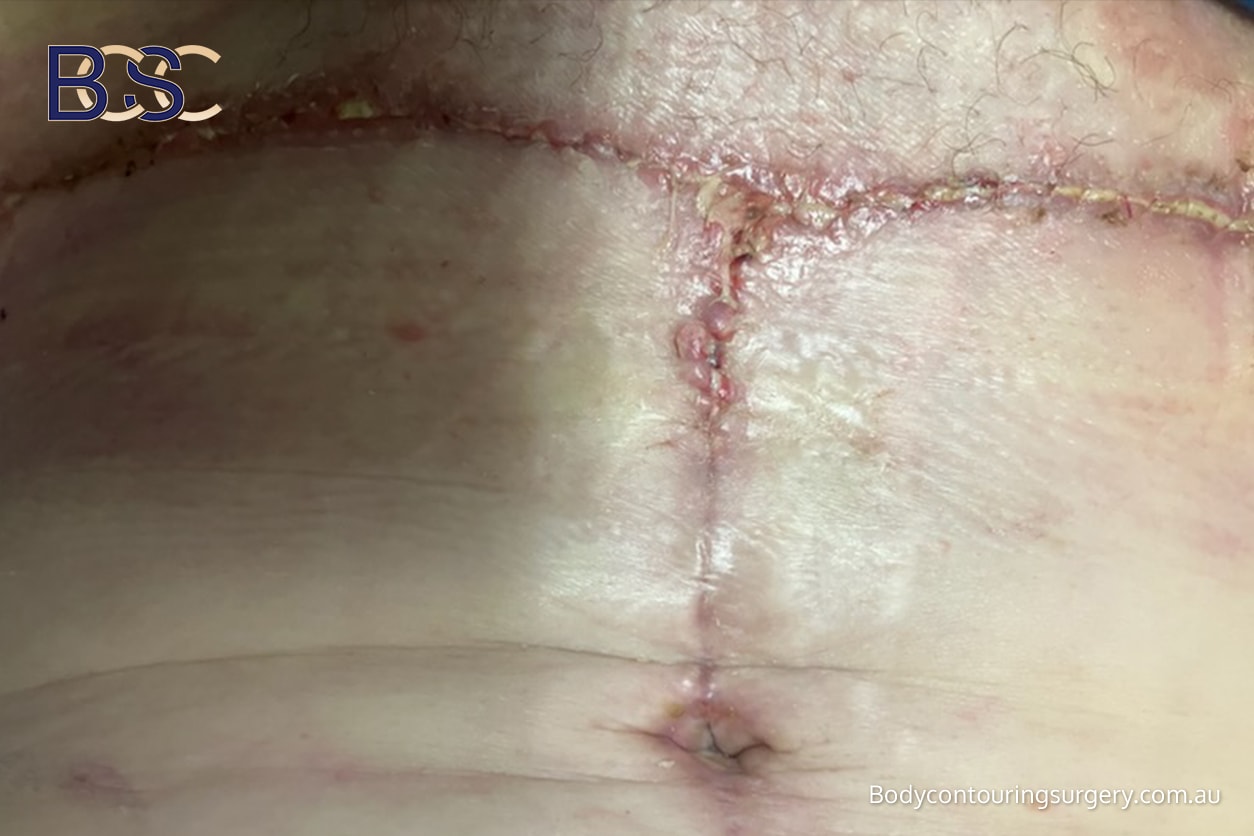
Wound breakdown
Healing continues well beyond the early recovery period. Over three to twelve months, scars mature, swelling continues to resolve, and tissues gradually soften.
Routine follow-up is typically scheduled at approximately:
- 1 month
- 3 months
- 6 months
- 12 months
Additional reviews are arranged if concerns arise. Scar management strategies may include taping, silicone-based products, and sun protection as advised.
Scars are permanent but generally positioned along the lower back, often within clothing lines. Their appearance changes over time and varies between individuals.
Movement, Sitting, and Daily Comfort
Early mobilisation is encouraged, but all movement is modified during recovery. Sitting directly on the buttocks may be uncomfortable initially due to incision placement and swelling. Position changes and regular rest periods are recommended.
Factors That Influence Recovery
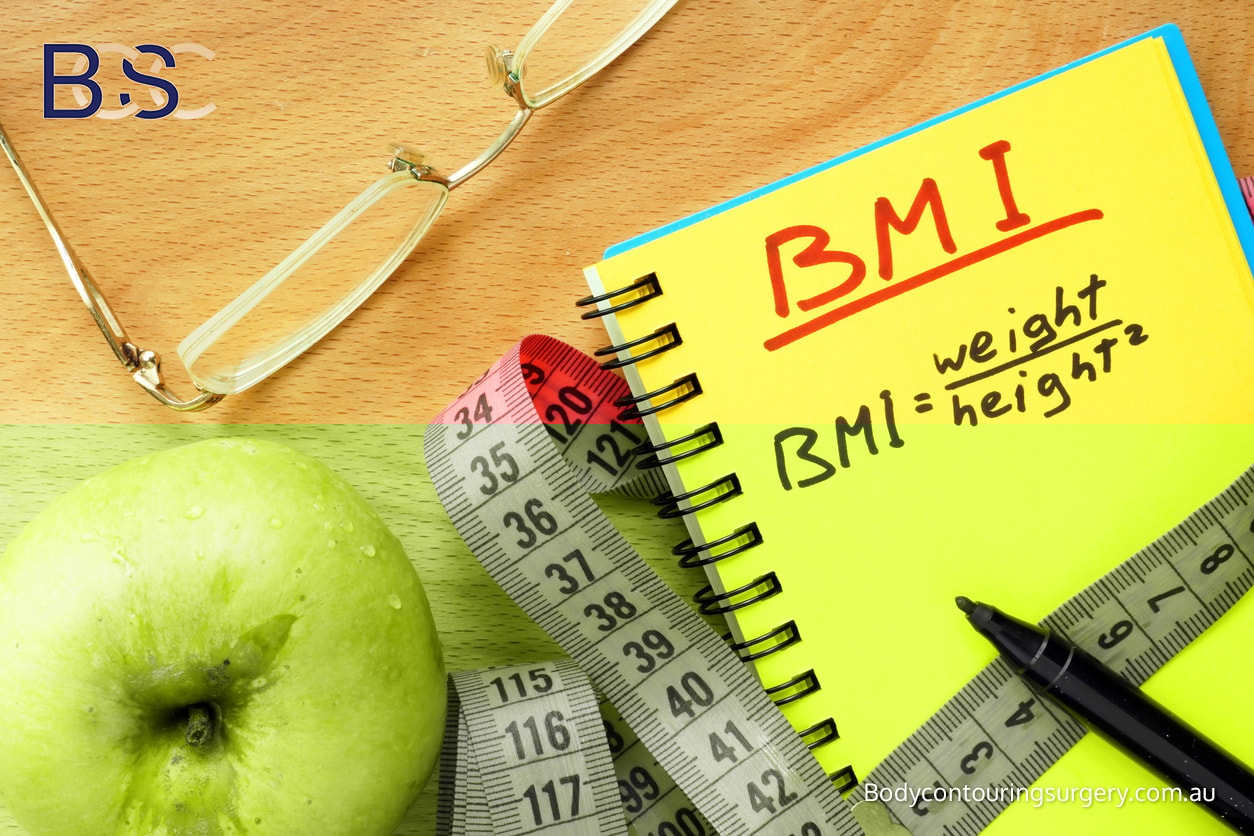
Recovery following a gluteal lipectomy can be influenced by several factors, including:
- Overall health and nutritional status
- Smoking history
- Extent of skin removal
- Whether procedures were staged or combined
- Adherence to post-operative instructions
Patients should also be aware of potential risks such as bleeding and infection, which can affect recovery.
Maintaining a stable weight is crucial for retaining the results of a buttock lift.
Patients who have experienced significant weight loss often require longer recovery periods due to skin quality and tissue healing capacity.
Planning for Recovery and Travel Considerations
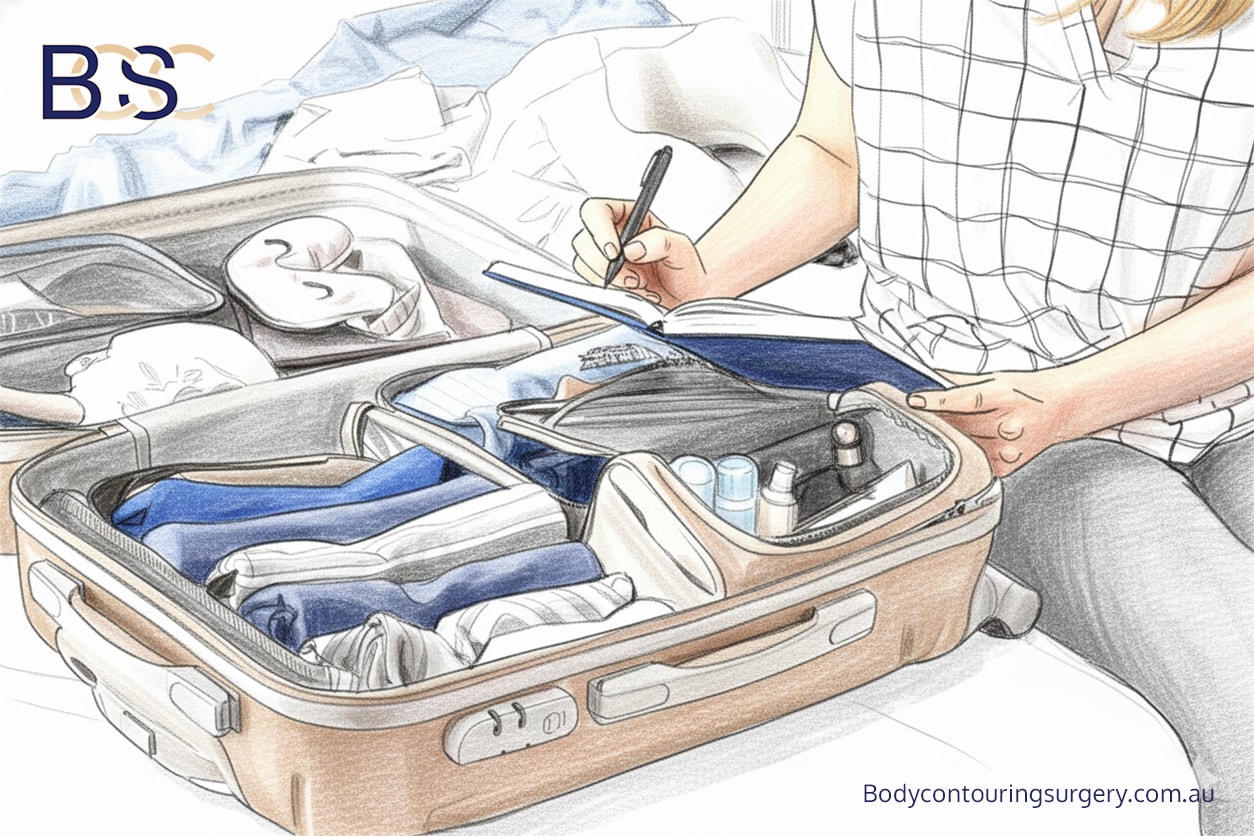
Effective recovery planning may include:
- Organising time away from work
- Arranging help at home
- Preparing meals in advance
- Attending all scheduled follow-up appointments
Patients travelling from outside the local area are generally advised to remain in the local area for 7–10 days after surgery to allow for early post-operative review. Ongoing care may be coordinated with the patient’s GP and supplemented with telehealth where appropriate.
Life After Recovery
A buttock lift (gluteal lipectomy) does not prevent future weight changes or natural ageing. Long-term outcomes depend on maintaining stable weight, general health, and realistic expectations.
To maintain the shape of the buttocks and body, patients need to lead a healthy lifestyle, including a healthy diet and regular exercise. You will need to commit to a healthy diet and exercise regimen to ensure your results last for as long as possible after surgery.
Surgery is one component of a broader health and body contouring journey and should always be considered in the context of individual circumstances.
Final Considerations
Recovery after a buttock lift (Gluteal Lipectomy) requires time, patience, and structured follow-up. While the process can be demanding, careful planning and adherence to medical guidance play a key role in healing.

Location of practice: 30 Belmore Rd, Lorn, NSW 2320
Area of interest:
Body contouring surgery post pregnancy and post-weight loss, including Abdominoplasty, Mastopexy, Breast augmentation (Augmentation mammoplasty), Brachioplasty and Thighplasty.