Circumferential Abdominoplasty Complications Post Weight Loss: What to Expect, Why They Occur, and How They Are Managed
A belt lipectomy, often referred to as a lower body lift, is an extensive body contouring surgery performed to remove excess skin and fat that remain after massive weight loss, bariatric surgery, weight loss surgery, or sustained lifestyle changes. Although some patients may use terms such as tummy tuck or extended abdominoplasty, a belt lipectomy differs. It focuses on the entire torso, including the lower abdomen, flanks, back, buttocks, and upper outer thighs.
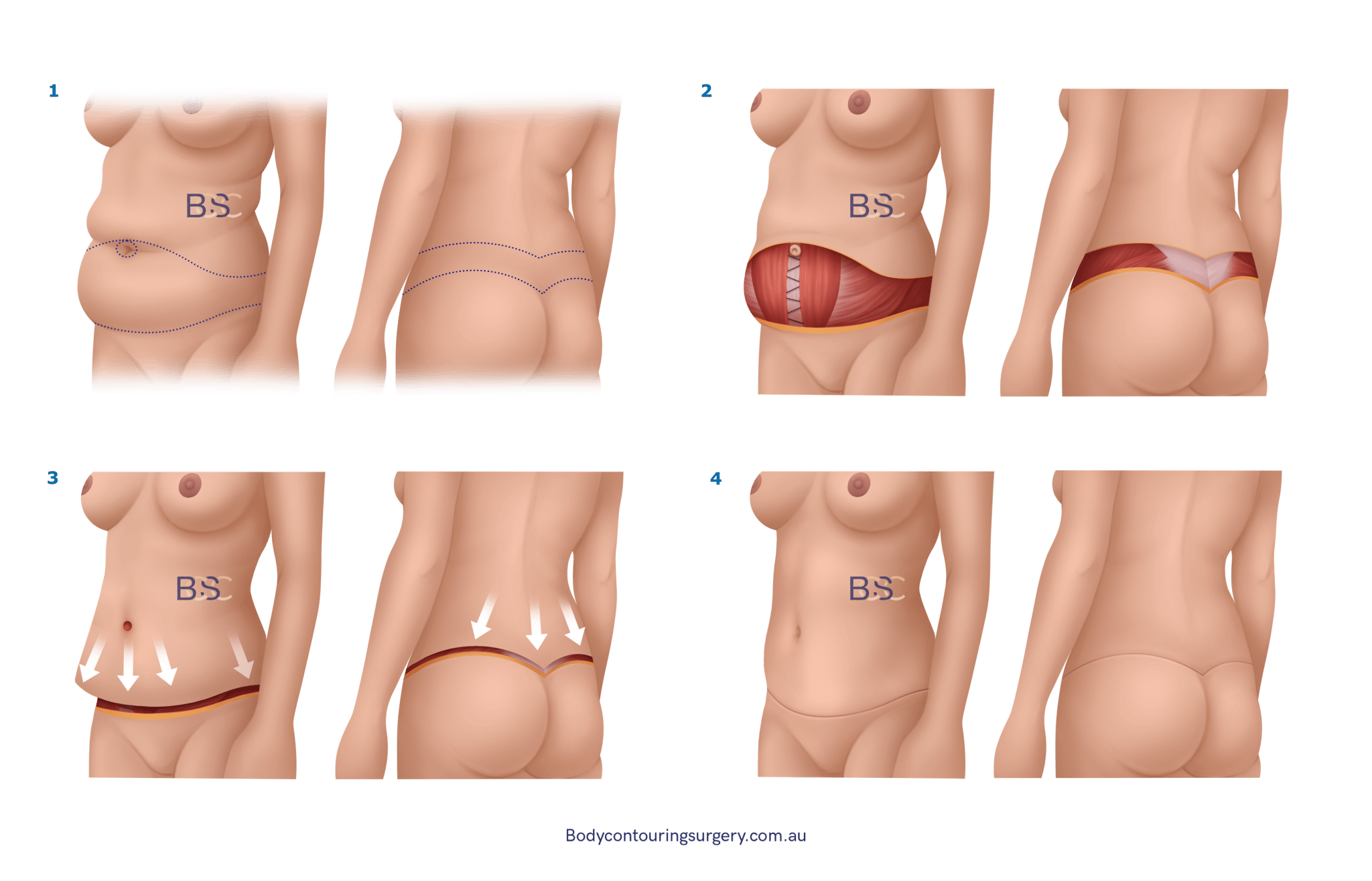
Belt lipectomy (Lower body lift)

For many post weight loss patients, living with large folds of loose skin can affect comfort, physical activity, clothing choices, and personal hygiene. Obese patients may face unique challenges and risks when considering body contouring procedures such as belt lipectomy. Issues such as moisture, rashes, or irritation may develop in skin folds. Belt lipectomy helps remove excess skin and create new body contours. However, because this is a major surgical procedure that involves a long circumferential incision, extensive dissection, and tissue repositioning, it carries a range of postoperative complications that patients should understand.
Why Complications Can Occur After a Belt Lipectomy
A belt lipectomy (body lift) surgery, combining elements of extended abdominoplasty, lateral thigh tightening (Thighplasty), and buttock elevation (Gluteoplasty) in one operation. Because this surgery involves the entire torso, there are unique considerations that affect healing. In addition to removing excess skin, the procedure may aim to tighten abdominal muscles to improve core strength and contour, particularly after significant weight loss.
Below are key factors that contribute to complications in post bariatric and post weight loss patients. Patients undergoing abdominoplasty are at risk for specific complications such as haematoma and bleeding, making careful surgical technique and postoperative management essential.
Reduced Skin Elasticity After Massive Weight Loss
Significant weight loss—whether through lifestyle change or bariatric surgery such as gastric bypass—can stretch the abdominal skin beyond the ability to retract. Reduced skin elasticity means the remaining tissues are more fragile and prone to wound separation or poor wound healing.
Nutritional and Metabolic Factors
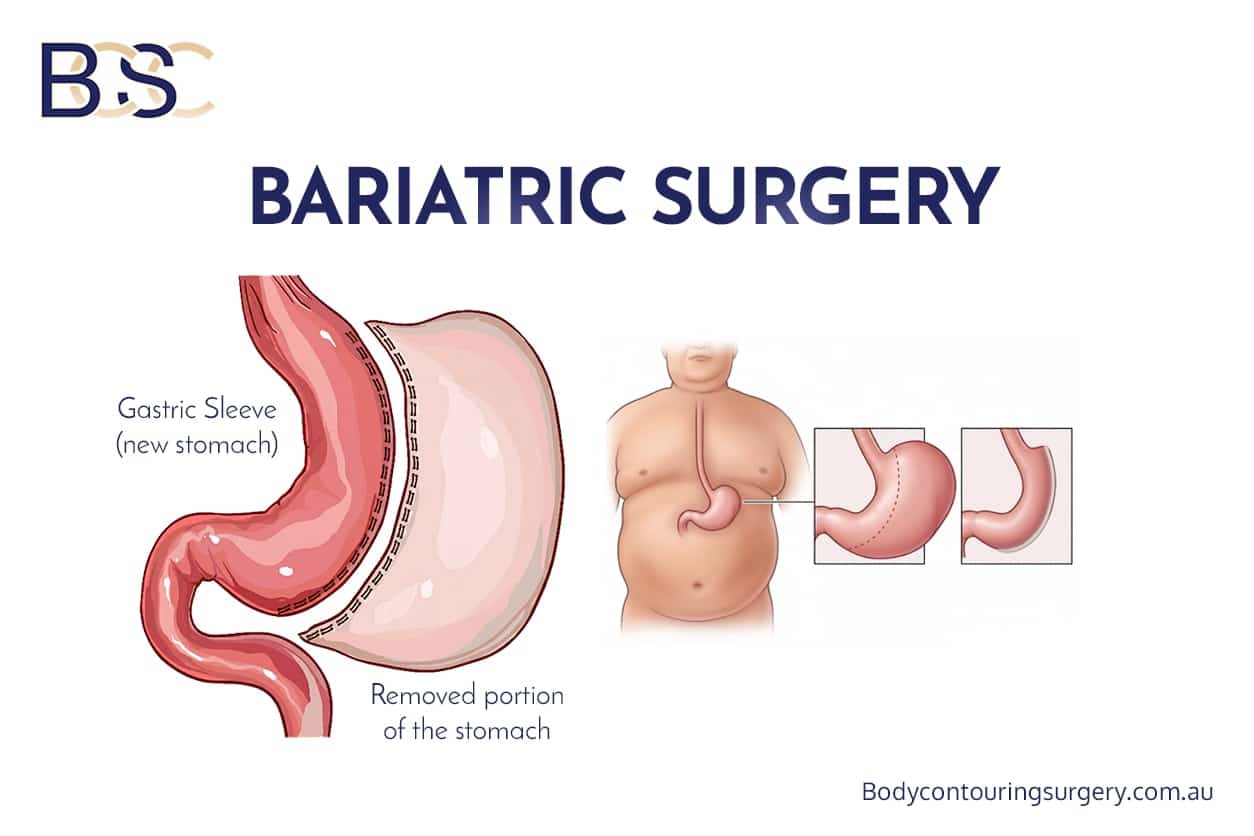
Many bariatric surgery patients have nutrient deficiencies related to malabsorption, reduced intake, or long-term dietary adjustments. Protein, iron, zinc, and vitamin deficiencies affect:
- Collagen production
- Skin strength
- Immune response
- Overall wound healing
This increases the risk of minor complications and sometimes major complications such as infection or tissue breakdown.
The Length and Tension of the Incision
A belt lipectomy involves an incision that extends around the lower body. Areas such as the flanks and central abdomen are under more tension, especially when large amounts of excess tissue are removed. Increased tension elevates the risk of wound separation and delayed healing.
Medical Conditions
Conditions such as diabetes mellitus, anaemia, elevated body mass index, and circulatory issues can increase the likelihood of surgical complications.
Lifestyle Factors
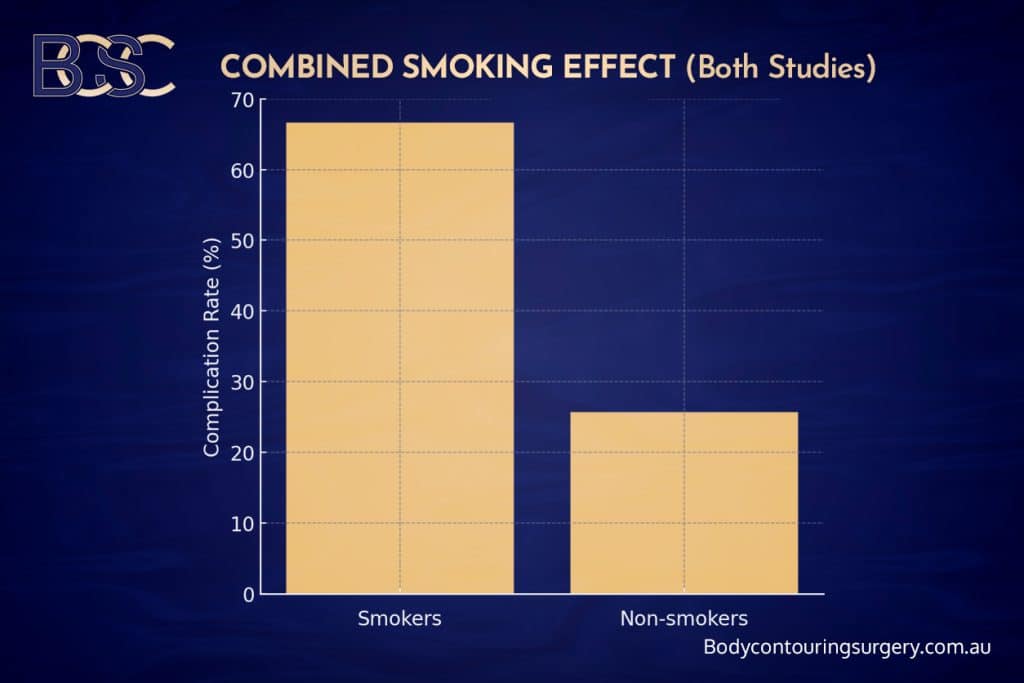
Significant increased risk of complications in smokers
Smoking reduces oxygen delivery to healing tissues and is strongly associated with common abdominoplasty complications, including:
- Wound dehiscence
- Skin necrosis
- Delayed healing
Nature of the Operation
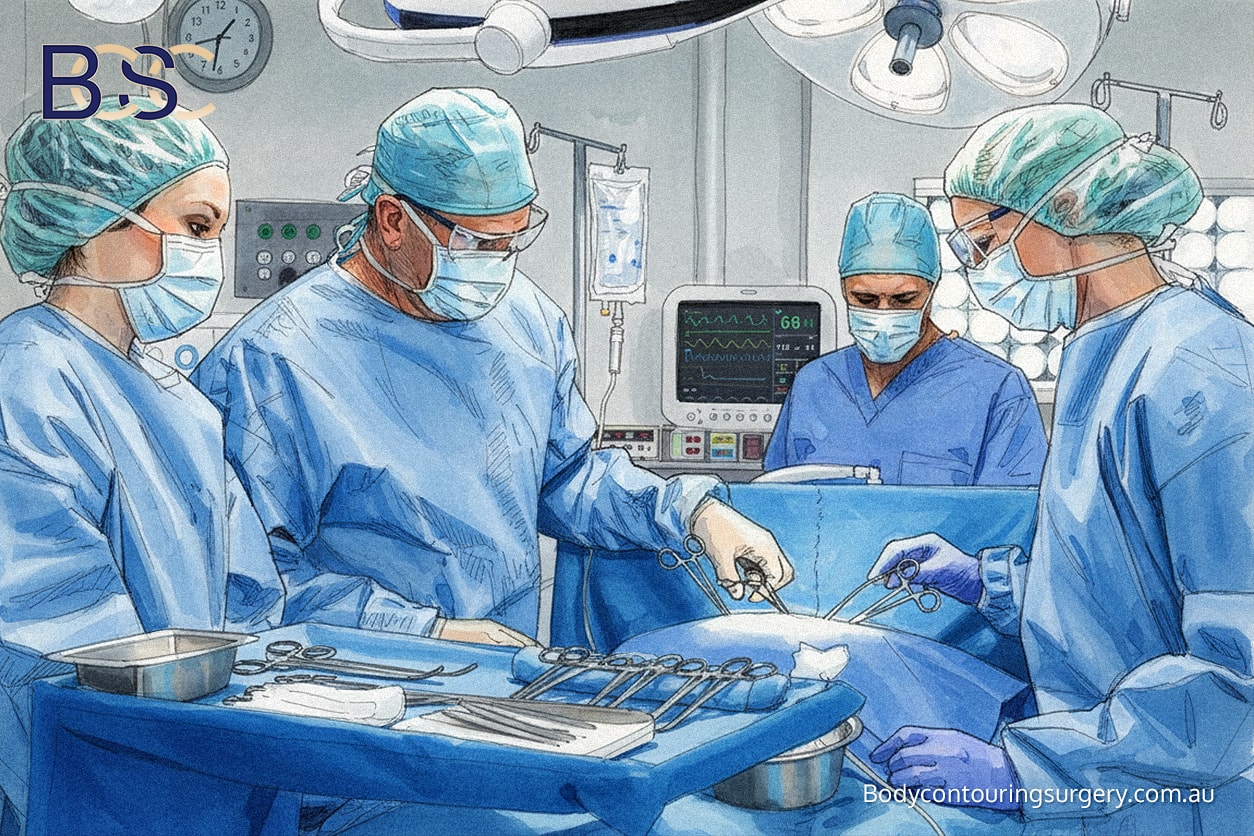
Because the operation is extensive, the:
- Surgical time
- Amount of undermining
- Blood supply
- Lymphatic disruption
All influence the risk of developing postoperative complications, including seromas, haematomas, and infection.
Candidate Selection and Pre-Operative Preparation

Planning surgery in circumferential abdominoplasty (lower body lift) procedures begins with careful patient selection. Evidence emphasises the importance of:
- Stable weight
- Optimised nutrition
- Correction of deficiencies
- Stopping smoking
- Managing underlying medical conditions
Studies on post-bariatric abdominoplasty and circumferential contouring indicate that patients who maintain a stable weight for at least six months and who have better nutrition prior to surgery tend to experience fewer complications [1].
Pre-operative preparation may also include:
- Blood tests to assess iron, protein, and nutritional markers
- Advice about low molecular weight heparin for clot prevention
- Planning support for the postoperative period
- Discussions about expected visible scars and recovery limitations
Thorough preparation reduces risks and supports the overall recovery process.
Common Belt Lipectomy Complications and Their Management
Complications after a belt lipectomy vary from mild to serious. Some are common complications; others are less common, skin-related, and a small number are major concerns requiring urgent treatment. Importantly, most of these issues are manageable when treated early.
This section outlines the most recognised complications following body lift (Belt lipectomy) surgery.
Wound Dehiscence (Wound Separation)
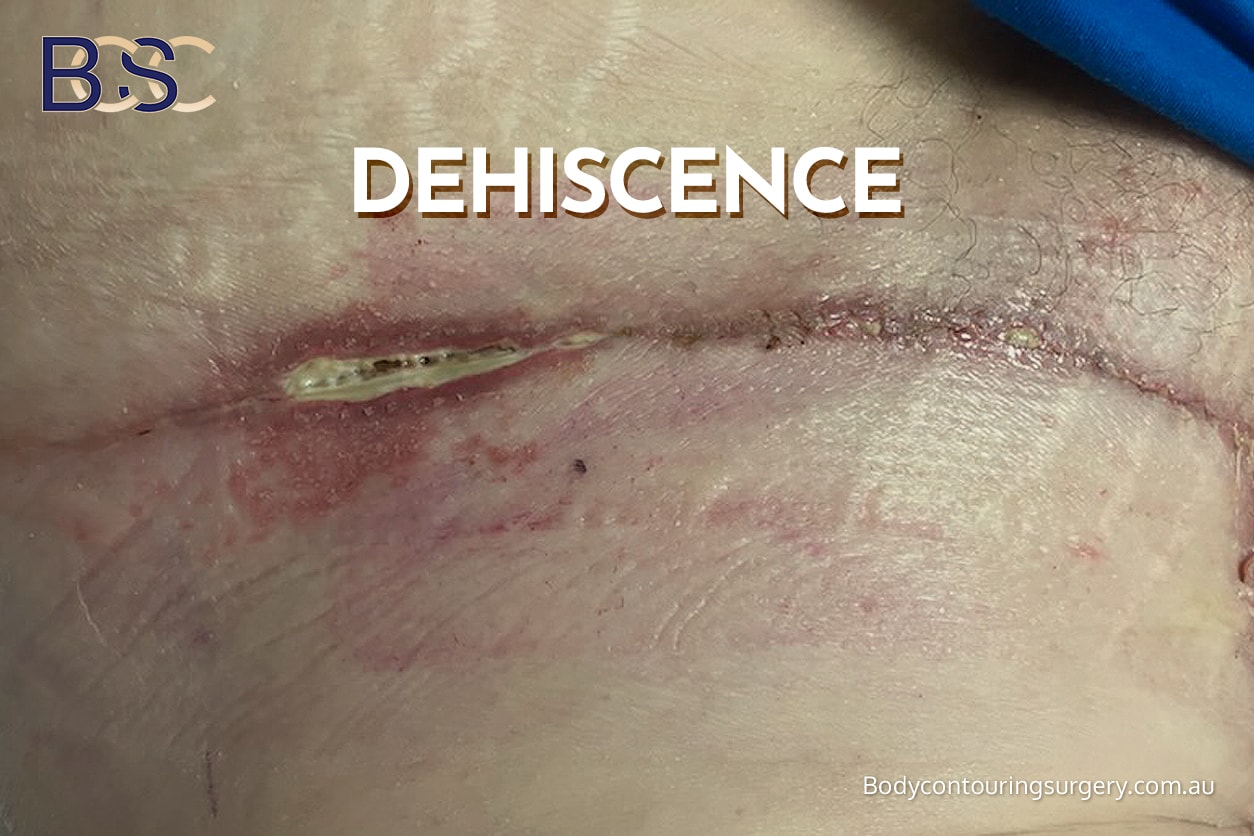
Wound dehiscence, or partial wound opening, is one of the most frequently reported complications after a belt lipectomy. Rates vary in the literature, with meta-analyses reporting approximately 17%, while individual case series report higher rates when larger skin resections or high-tension closures are performed [2–4].
What Wound Dehiscence Is
Wound dehiscence occurs when part of the incision reopens during healing. This does not mean the entire wound falls apart; rather, small areas—often 1–3 cm—separate due to tension or tissue quality.
Why Wound Dehiscence Occurs
Factors contributing to wound dehiscence include:
- High tension after removing excess skin
- Reduced elasticity following massive weight loss
- Smoking
- Diabetes or impaired microvascular circulation
- Early stretching or increased activity
- Low protein levels related to post bariatric nutrition
Where It Occurs
Common areas include:
- Flanks
- Central abdomen
- Lateral hip regions
These are locations of increased tension and movement.
How Common It Is
- Meta-analysis: ~17% [2]
- Large clinical series: 32–61% depending on technique [3,4]
This makes wound separation the most common complication after lower body lift surgery.
Management of Wound Dehiscence
Small Separations
- Simple dressings
- Gentle cleansing
- Avoiding friction
- Protection from tension
Moderate Separations
- Negative-pressure wound therapy (NPWT) to accelerate closure
Large Separations (Rare)
- Minor surgical revision once swelling reduces
Antibiotics are reserved for cases with wound infections.
Healing Time
- Small separations: 2–3 weeks
- Moderate: 3–6 weeks
- Large: 6–8+ weeks
Most cases heal without affecting final outcomes but may prolong the recovery timeline.
Seroma (Fluid Collection)
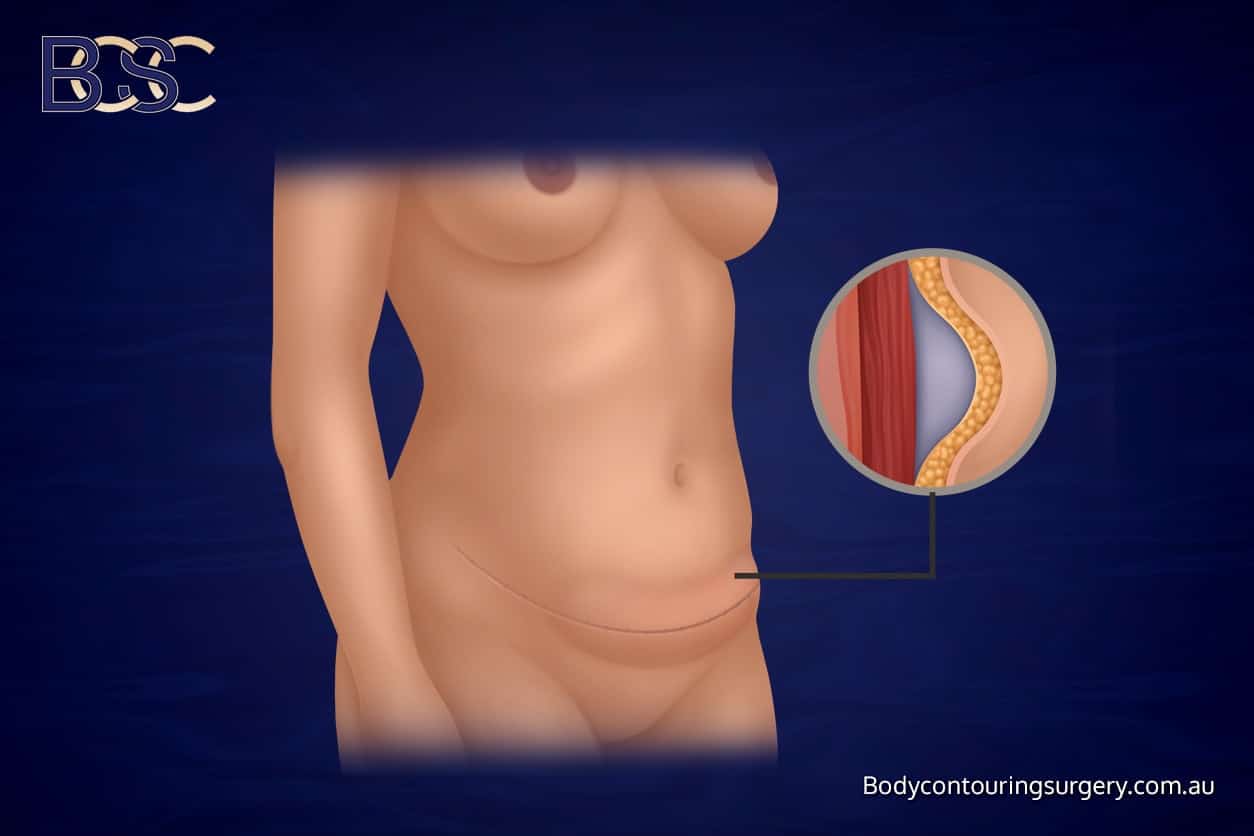
A seroma is a pocket of clear fluid that accumulates in the space created during surgery. Seromas are among the most common complications after body lift (belt lipectomy) and extended abdominoplasty procedures, particularly when wide undermining is performed.

Graph of complication rates vs surgical technique
Why Seromas Occur
Seromas develop because:
- Tissue dissection creates a “dead space”
- Lymphatic channels are disrupted
- Early movement increases fluid production
- Patients with higher BMI experience more tension
- Drains may be removed before the output is low
- Previous seroma history increases risk
How Common Seromas Are
Reported rates vary from 9% to 35%, depending on the technique and patient characteristics [2,4].
Symptoms of a Seroma
- Swelling
- Sloshing sensation
- Discomfort
- Fluid leaking from incision
Management of Seromas
Needle Aspiration
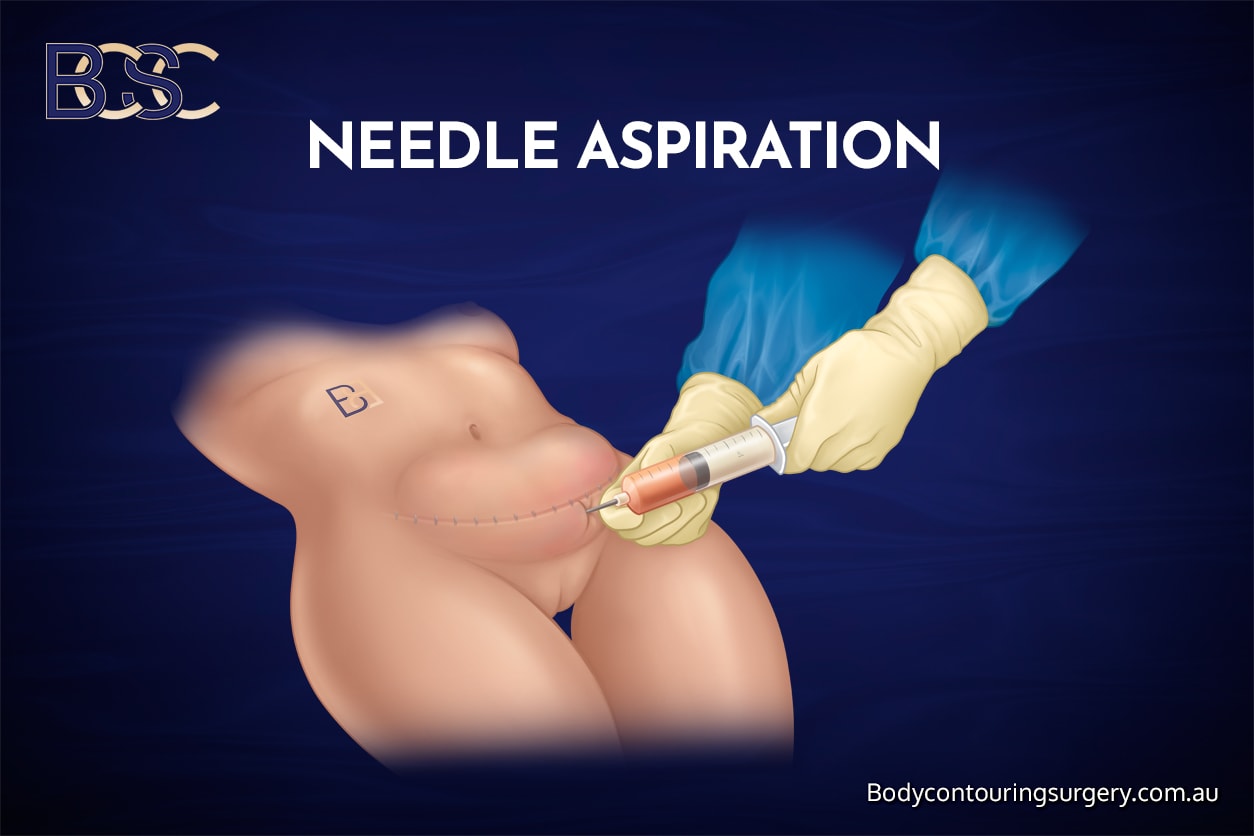
The most common treatment; may need to be repeated.
Compression Garments
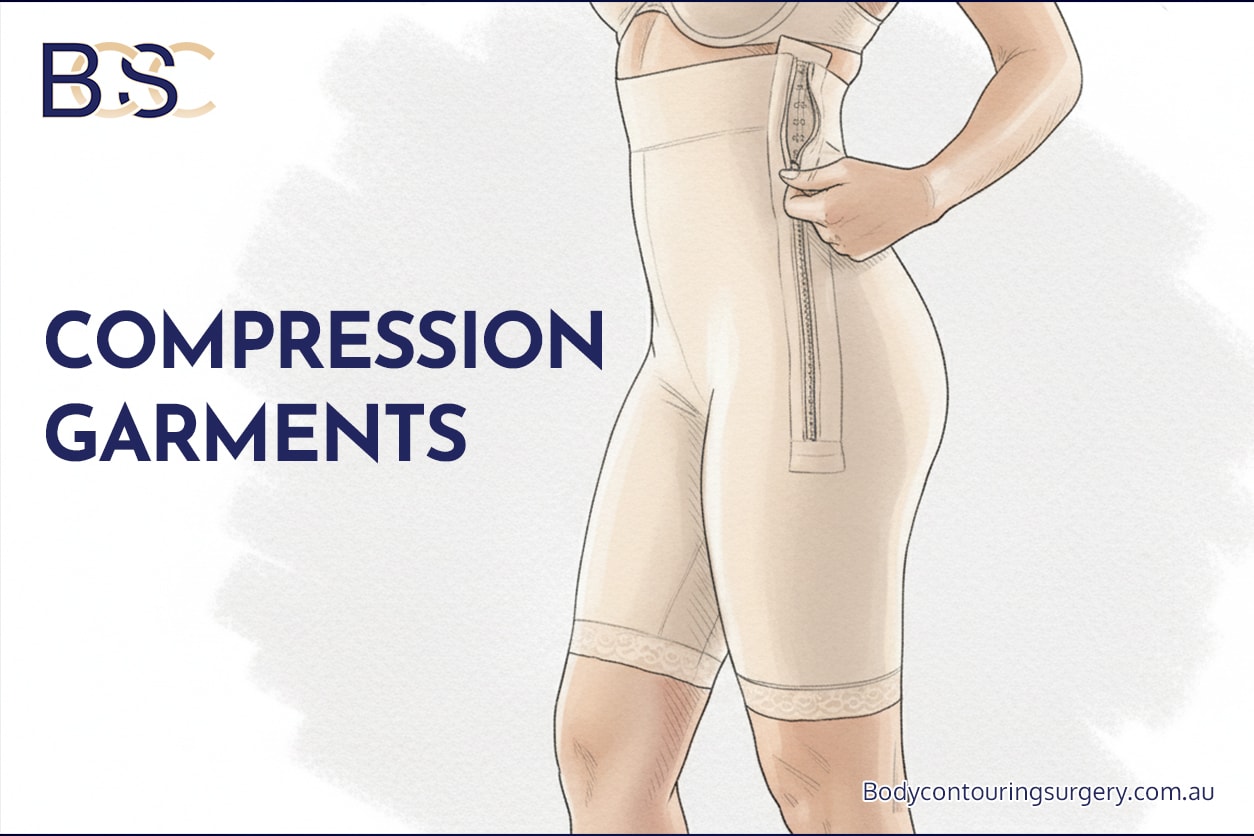
Help tissues adhere and reduce fluid accumulation.
Drain Management
Drains may remain longer if output remains high.
Sclerotherapy
For persistent seromas—a mild irritant (e.g., doxycycline) may be injected.
Surgery (Rare)
Used only for chronic encapsulated seromas.
Healing Time
- Small: 1–3 weeks
- Larger: 3–6+ weeks
- Chronic: 6–12+ weeks
Most seromas resolve without long-term consequences.
Skin Necrosis (Reduced Tissue Blood Supply)
Skin necrosis occurs when small or large areas of skin do not receive enough blood following surgery. Rates range from 1% to 10%, depending on factors such as smoking, skin quality, and surgical techniques [2,3,5].
Signs of Skin Necrosis
- Dark or dry patches
- Leathery or firm texture
- Delayed healing
- Scabbed or discoloured tissue
Why It Occurs
- Smoking (major risk factor)
- Tension on skin edges
- Thin or stretched skin after major weight loss
- Aggressive undermining or liposuction
- Underlying vascular issues
Management of Skin Necrosis
Small, Superficial Areas
- Dressings
- Observation
Moderate Necrosis
- Negative-pressure wound therapy
- Gradual tissue demarcation
Large Areas
- Debridement
- Delayed closure
- Possible grafting
Healing Time
- Small: 3–4 weeks
- Moderate: 4–8 weeks
- Extensive: 8–12+ weeks
Infection

Infection is a recognised complication after abdominoplasty, abdominal lipectomy, and lower-body lift procedures. Rates range between 3% and 9% [2,4]. Wound infections occur in approximately 1–4% of cases and may be associated with complications such as wound separation (dehiscence), but are generally manageable with standard medical treatment.
Here are the three primary types of infections.
Superficial Infection (Superficial SSI)
Signs
- Redness
- Warmth
- Mild tenderness
- No systemic symptoms
Treatment
- Oral antibiotics
- Wound care
Usually settles within 48–72 hours.
Cellulitis With Systemic Symptoms
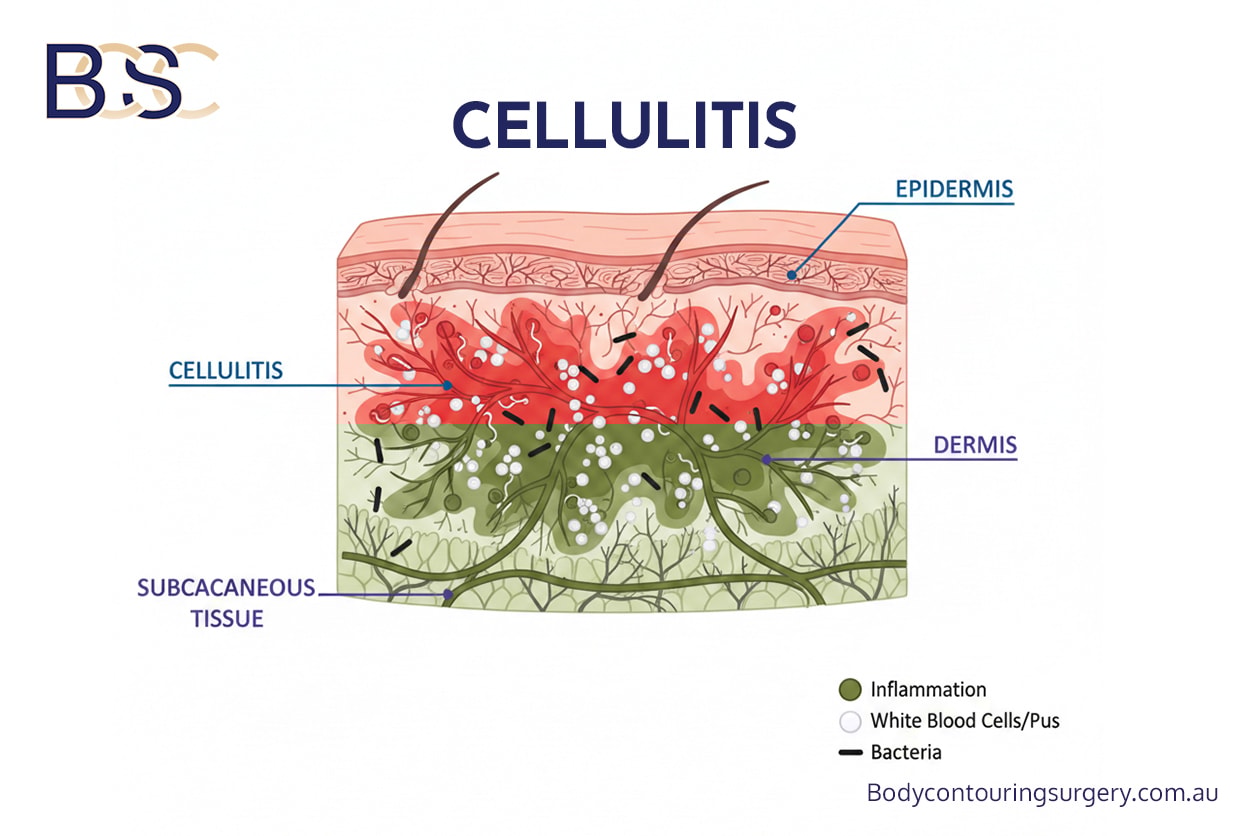
Signs
- Spreading redness
- Fever or chills
- Feeling unwell
Treatment
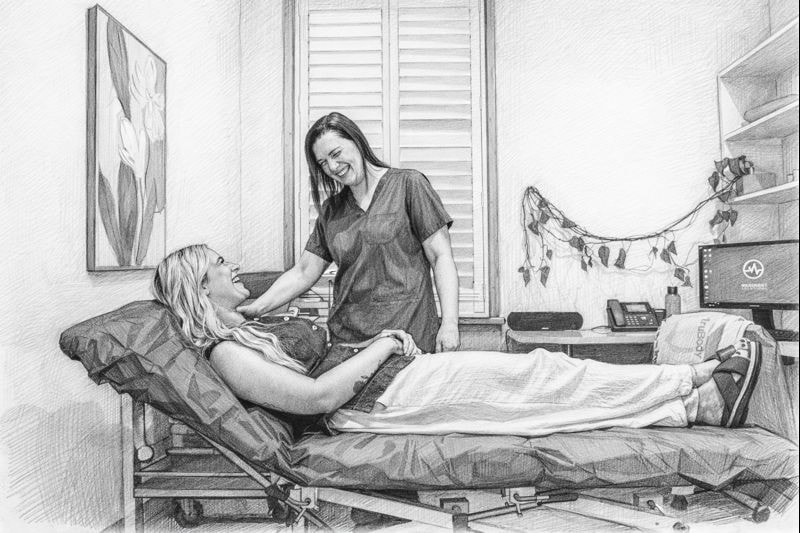
- Hospital admission
- IV antibiotics
- Investigations for deeper infection
Recovery: 2–4 weeks.
Deep Infection (Abscess)
Signs
- One-sided swelling
- Significant pain
- Fever
- Thick or foul-smelling drainage
Treatment
- Surgical drainage
- Packing or NPWT
- Antibiotics
Recovery: 4–6+ weeks depending on cavity size.
Haematoma (Internal Bleeding)
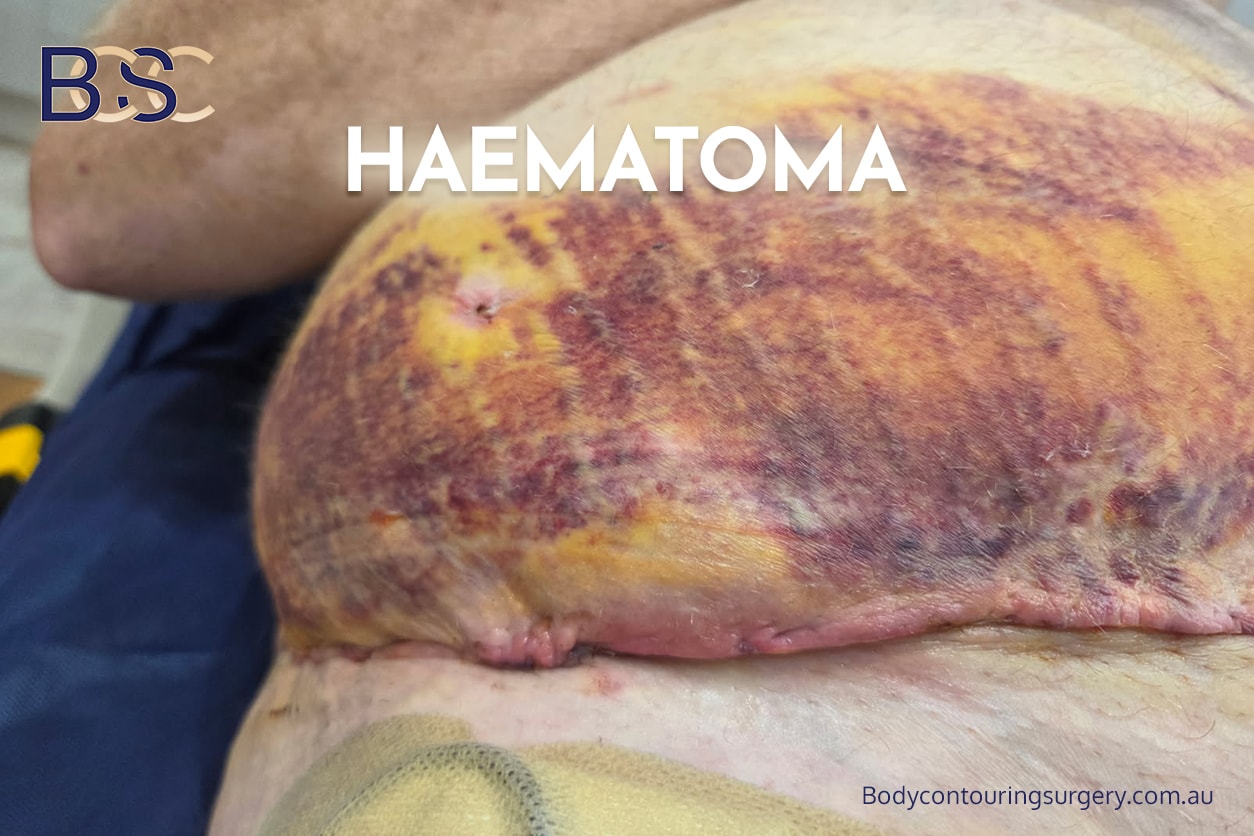
A haematoma is a collection of blood under the skin, usually within 24–72 hours of surgery. Rates are generally 2–4% [2,4].
Signs
- Firm, tense swelling
- Bruising
- Discomfort
- Sudden asymmetry
Management
- Observation for small haematomas
- Return to theatre for larger ones
Healing Time
- Small: 2–4 weeks
- Post-evacuation: 4–6 weeks
Blood Clots (DVT and Pulmonary Embolism)
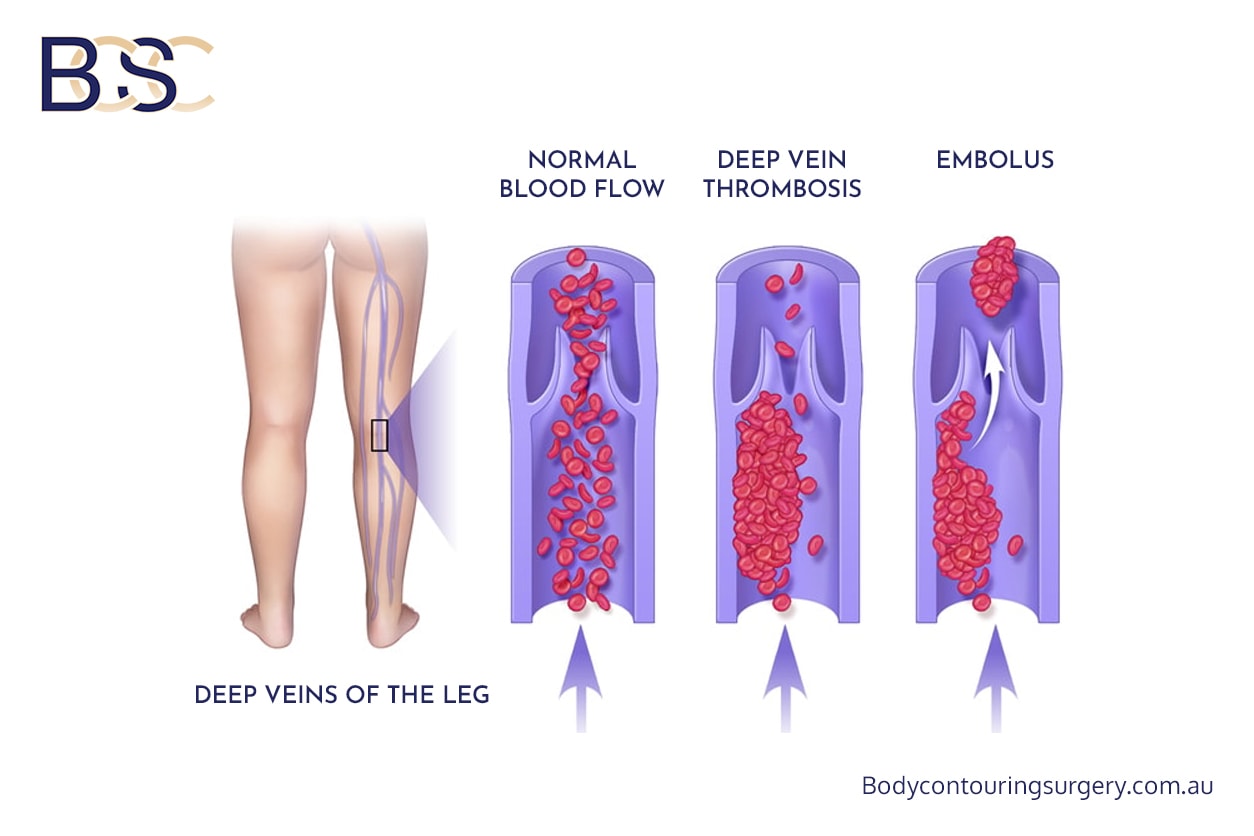
Blood clots are a major concern after body contouring procedures. Older studies cited rates of 2–9%, but modern prevention has reduced this to <1% [2,4].
DVT Symptoms
- Leg swelling
- Warmth
- Tightness
Pulmonary Embolism Symptoms
- Shortness of breath
- Chest pain
- Rapid heart rate
Prevention
- Early mobilisation
- Compression stockings
- Sequential compression devices
- Low molecular weight heparin for high-risk patients
Treatment
- Anticoagulant therapy
- Imaging
- Monitoring
Systemic or Generalised Complications
Anaemia
May occur from blood loss; managed with iron or transfusion.
Allergic Reactions
Occasionally occur to dressings or adhesives.
Temporary Functional Limitations
Tightness across the abdominal wall or lower torso is common in the early weeks.
Late Complications
Hypertrophic Scars
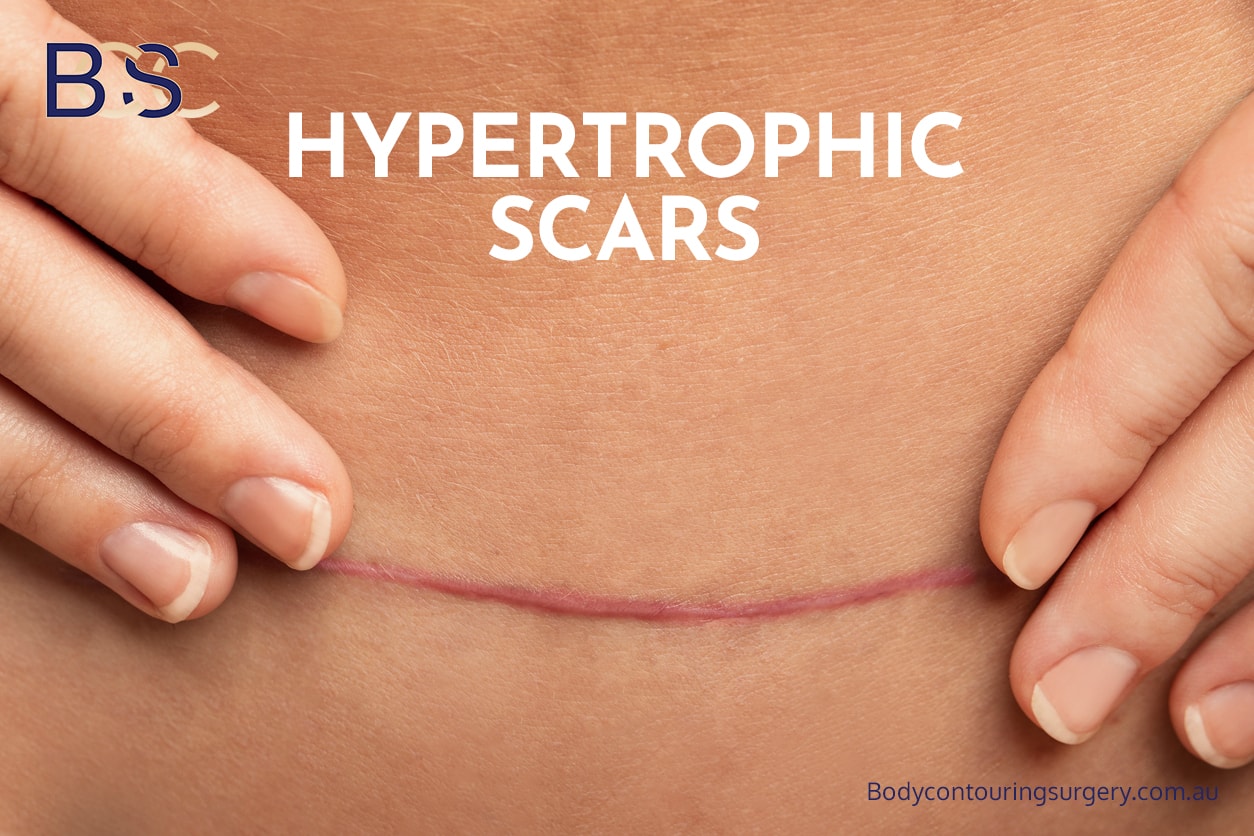
Treated with silicone, massage, laser, or revision if required.
Contour Irregularities
Some asymmetry is normal; refinement is possible later.
Recurrent Laxity
Further weight loss after surgery may lead to new areas of laxity.
Risk Factors for Complications

Complication rates with BMI
Patient-Related
- High BMI
- Nutritional deficiencies
- Smoking
- Diabetes
- Older age
- Post bariatric nutritional changes
Surgery-Related
- Long surgery duration
- Large excess tissue resections
- Simultaneous liposuction
- Wide undermining
How Surgeons Reduce Risks

Pre-Operative Optimisation
- Correcting nutritional deficiencies
- Ceasing smoking
- Managing comorbidities
Surgical Techniques
- Limited undermining
- Tension-reduction sutures
- Preserving blood supply
Post-Operative Care
- Early mobilisation
- Compression garments
- Wound monitoring
- Drain care
These strategies have been shown to reduce postoperative complications across abdominoplasty procedures, lower body lift, and post bariatric plastic surgery settings.
Frequently Asked Questions

How much does a lower body lift (Belt lipectomy) cost in Australia?
Costs vary depending on hospital fees, surgeon fees, anaesthesia, and eligibility for Medicare item numbers. In Australia, a lower body lift may range from $18,000 to $35,000+, depending on complexity and inclusions. A consultation is required to provide an accurate estimate.
What does a lower body lift (Belt lipectomy) involve?
A lower body lift combines removal of excess skin around the abdomen, flanks, lower back, and buttocks. It may also be performed to tighten abdominal muscles and treat the contour of the lower body.
What is the average cost of a lower body lift (Belt lipectomy)?
Costs vary, but the average in private Australian hospitals typically sits between $22,000 and $32,000.
Is a lower body lift (Belt lipectomy) worth it?
For most patients who experience functional issues such as rashes, discomfort, movement restriction, or heavy loose skin after significant weight loss, the procedure can provide meaningful improvements. However, results vary between individuals.
Conclusion

A belt lipectomy is one of the most comprehensive forms of body lift (belt lipectomy) surgery, designed for individuals following significant weight loss or bariatric surgery. While the operation can help remove excess skin and treat function, it also carries a spectrum of postoperative complications that patients should understand before proceeding.
Early recognition, good communication with your specialist general surgeon, and careful adherence to recovery instructions are essential to achieving a good outcome. With adequate preparation and informed expectations, many post bariatric and post weight loss patients experience improvements in comfort and daily function following this procedure.
- El-Sabbagh AH, El-Hadidy MR, El-Fahar MH. Postbariatric Abdominal Contouring: Technical Approach and Quality of Life. Plast Reconstr Surg. 2022;150(4):796–803.
- Carloni R, Naudet F, Chaput B, et al. Are There Factors Predictive of Postoperative Complications in Circumferential Contouring of the Lower Trunk? Aesthetic Surg J. 2016;36(10):1143–1154.
- Van Huizum MA, Roche NA, Hofer SOP. Circular belt lipectomy: A retrospective follow-up study on perioperative complications and cosmetic outcome. Ann Plast Surg. 2005;54:459–464.
- Carloni R, De Runz A, Chaput B, et al. Circumferential Contouring of the Lower Trunk: Indications, Techniques, and Outcomes—A Systematic Review. Aesthet Plast Surg. 2016;40:652–668.
- Richter DF, Stoff A. Circumferential Body Contouring: The Lower Body Lift. Clin Plast Surg. 2014;41:775–788.

Location of practice: 30 Belmore Rd, Lorn, NSW 2320
Area of interest:
Body contouring surgery post pregnancy and post-weight loss, including Abdominoplasty, Mastopexy, Breast augmentation (Augmentation mammoplasty), Brachioplasty and Thighplasty.