Recovering from brachioplasty surgery is a critical part of the overall surgical journey. While the surgical procedure itself focuses on removing excess skin from the upper arm, it is the recovery phase that allows the body to heal, swelling to resolve, and scars to mature. Understanding what recovery involves helps most patients prepare physically, emotionally, and practically.
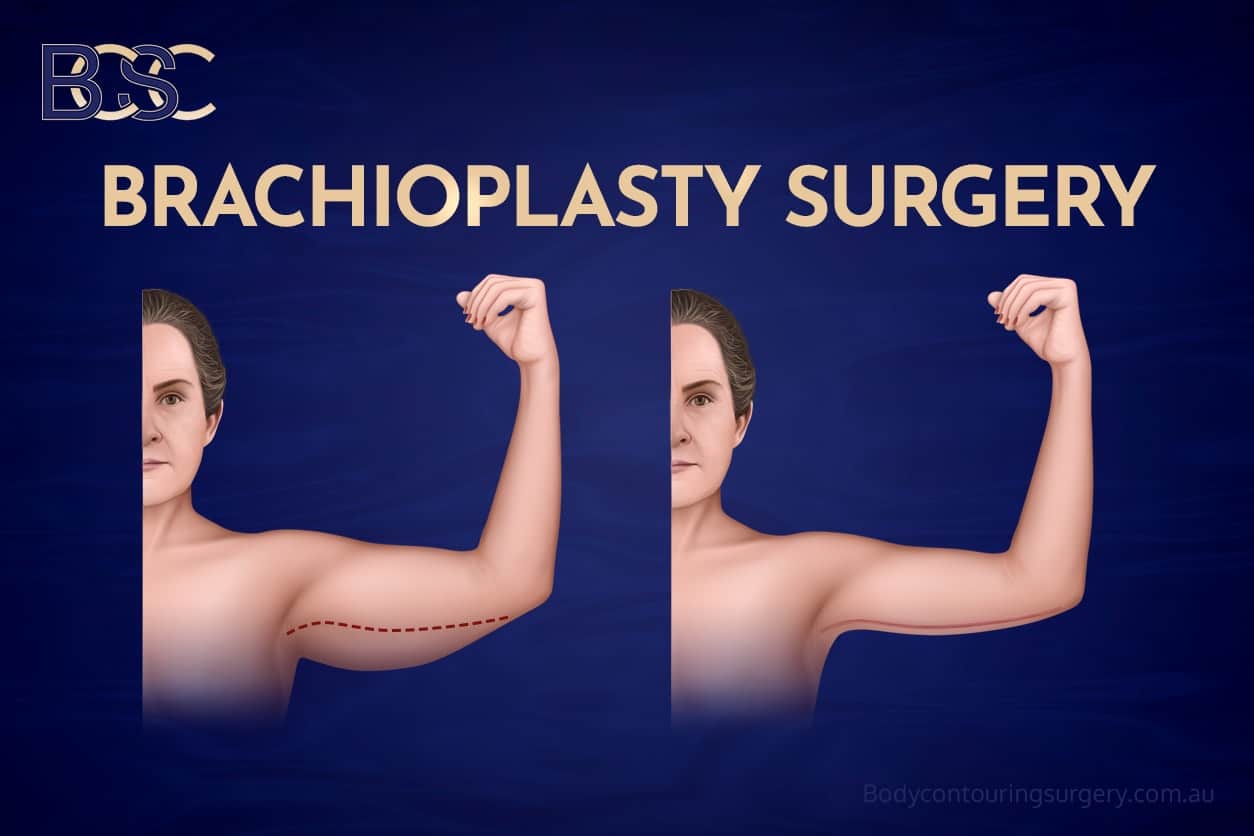
Brachioplasty, commonly referred to as arm lift surgery, is a reconstructive procedure frequently performed after weight loss, pregnancy, or changes in skin elasticity related to ageing.
Understanding Brachioplasty and the Recovery Process
Brachioplasty surgery is a surgical procedure designed to treat excess skin of the upper arm. In some cases, excess fat or fatty tissue may also be treated, either through direct excision or liposuction (suction-assisted lipectomy), particularly where a significant amount of tissue remains after weight loss.
The aim of an arm lift (brachioplasty) is to enhance clothing fit and function where skin laxity has not responded to exercise or weight stability. Removing excess skin can refine arm contour, but recovery is necessary for the body to adjust to these changes.
The recovery process occurs in stages. While many patients notice visible changes within the first few weeks, full healing continues for several weeks and months beneath the surface. Swelling, scar healing, and changes in sensation develop gradually as part of the healing process.
Preparing for the Recovery Period
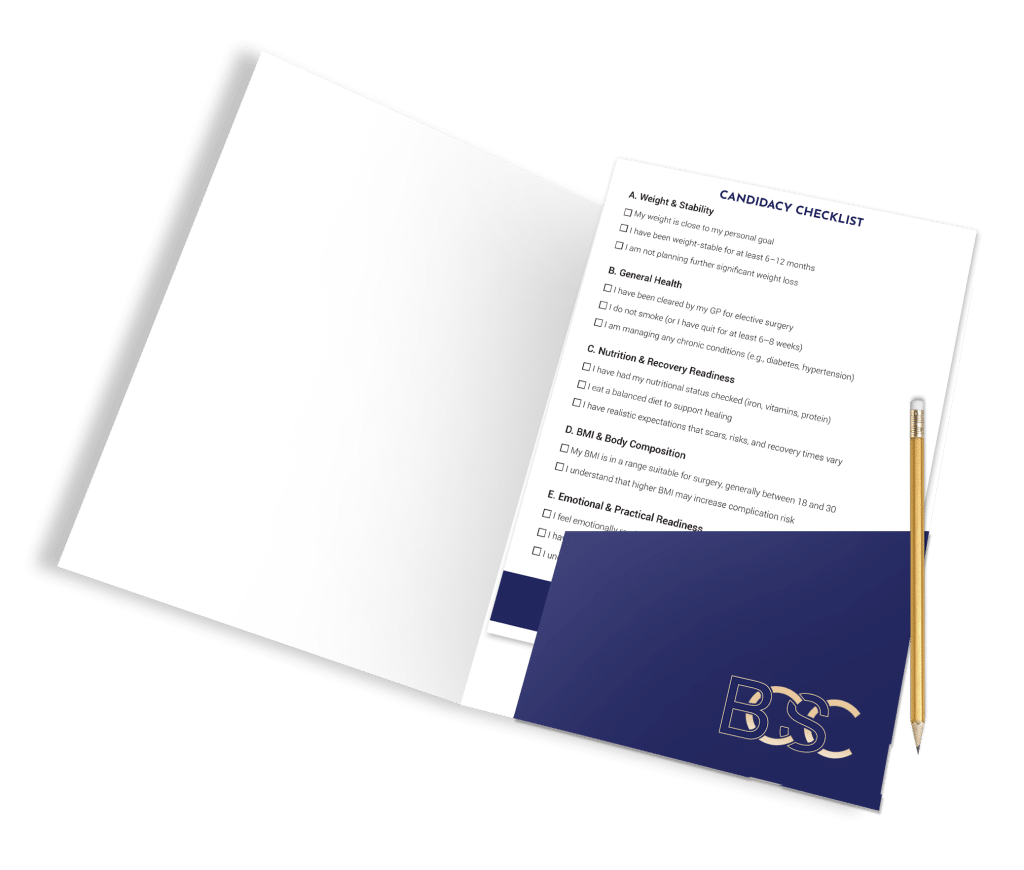
Preparation for the recovery period begins before surgery. Patients are encouraged to plan time away from work, organise home support, and understand care instructions in advance. Overall health, skin health, skin elasticity, and the extent of the surgical area all influence recovery.
Maintaining a stable weight, following a healthy diet, and adopting healthy habits before surgery can help promote healing and support optimal results after the procedure.
Hospital Stay and Anaesthetic Considerations
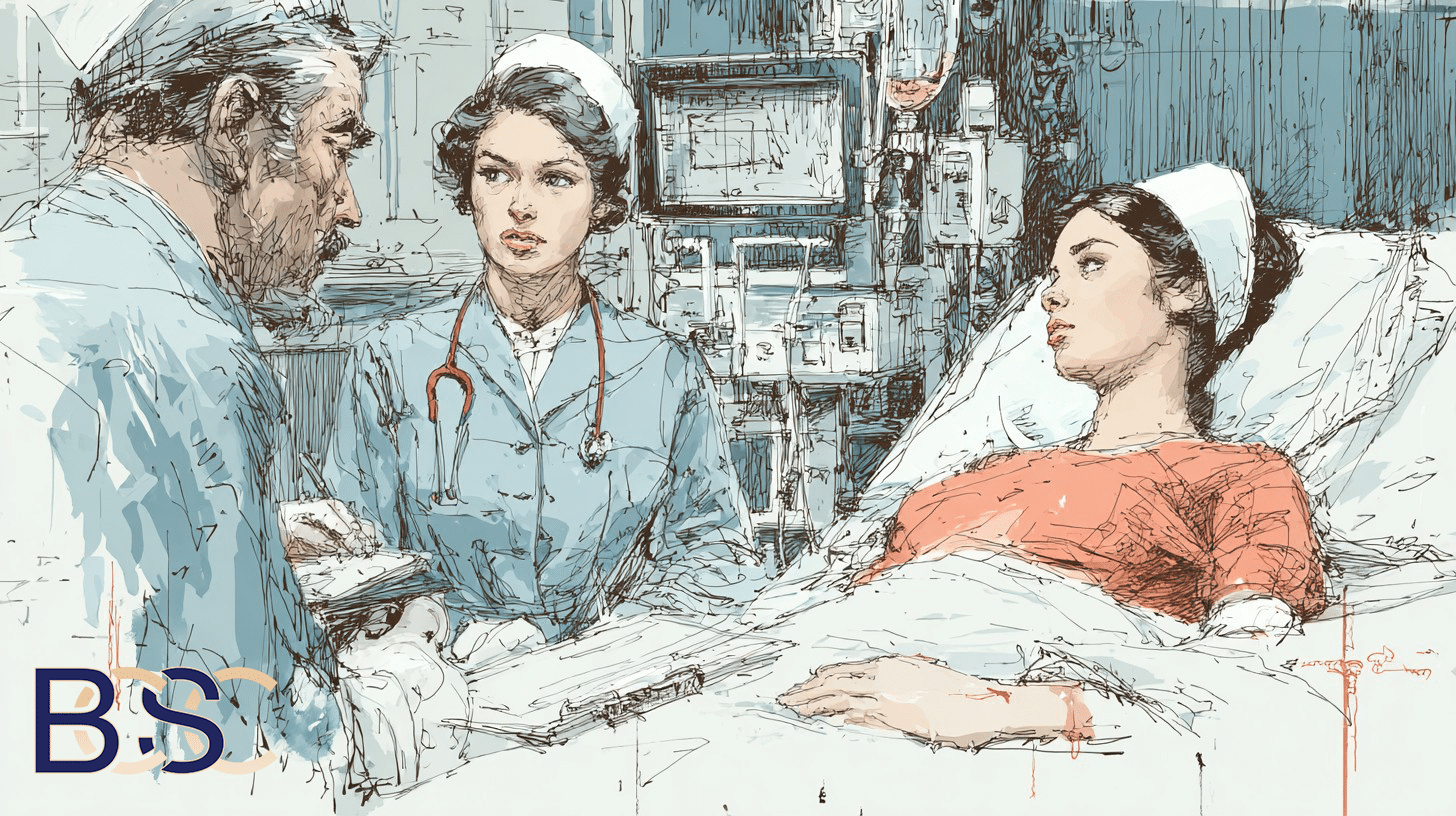
Brachioplasty surgery is performed under general anaesthesia. Depending on the complexity of the procedure, individual medical factors, and home circumstances, surgery may be completed as a day procedure or with an overnight hospital stay.
An overnight admission may be recommended for patients undergoing a more extensive arm lift (brachioplasty), combined procedures, or where closer early monitoring is appropriate.
The First 24–48 Hours After Brachioplasty Surgery
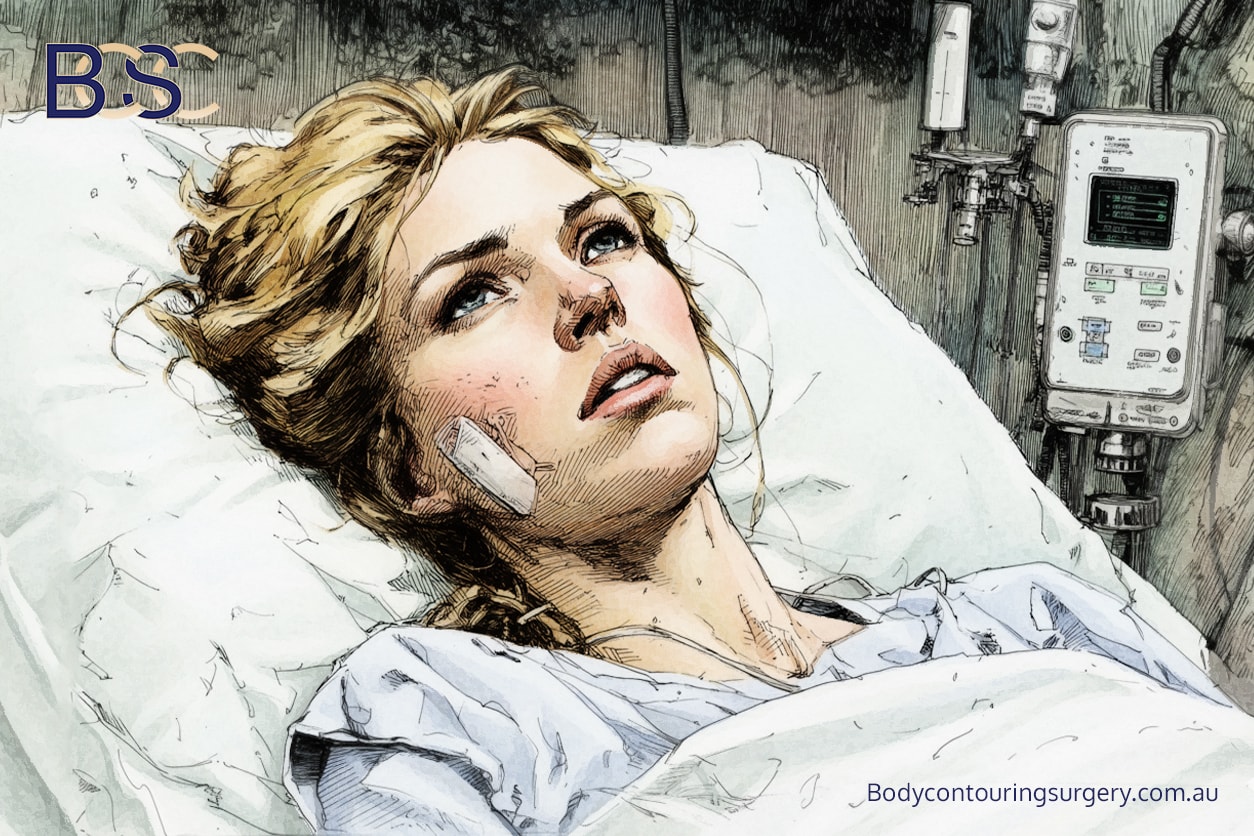
During the first 24 to 48 hours after surgery, swelling, bruising, and a tight or heavy sensation in the arms are common. These changes are a normal physiological response following surgery involving skin and soft tissues.
Dressings, Wound Care, and Compression
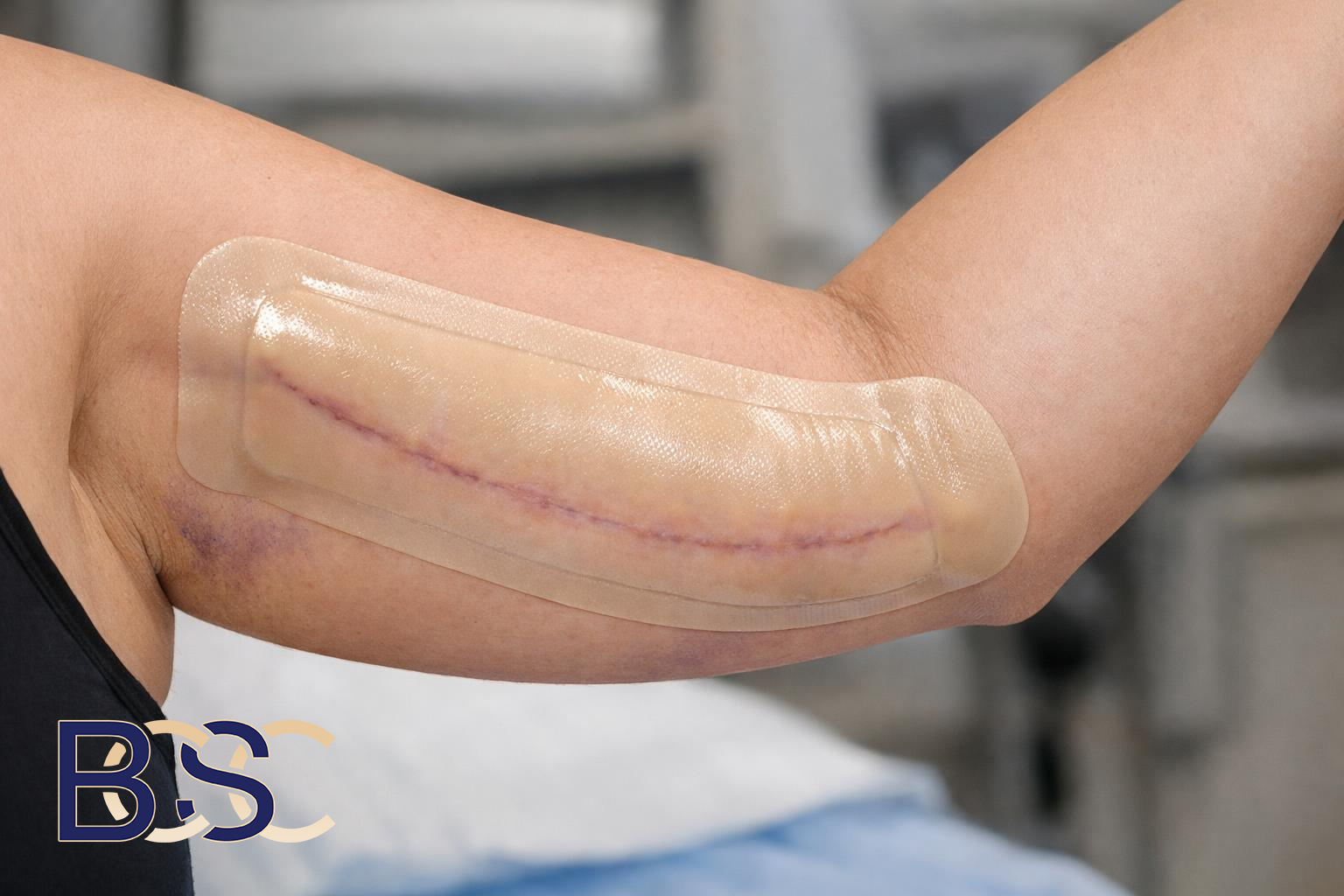
Protective dressings are applied over the surgical area to support wound care during the early healing process. Compression garments are fitted to the arms to help control swelling, limit excess fluid, reduce fluid accumulation, and support healing properly.
Pain and Early Symptoms
Pain and discomfort are expected in the early recovery phase. Pain medication is prescribed to manage symptoms, and most patients find that pain gradually lessens over the first week. Swelling and discomfort are monitored closely during follow up appointments.
The First Week After Surgery
The first week is a key stage of brachioplasty recovery and focuses on rest, gentle movement, and careful monitoring.
Activity and Arm Movements
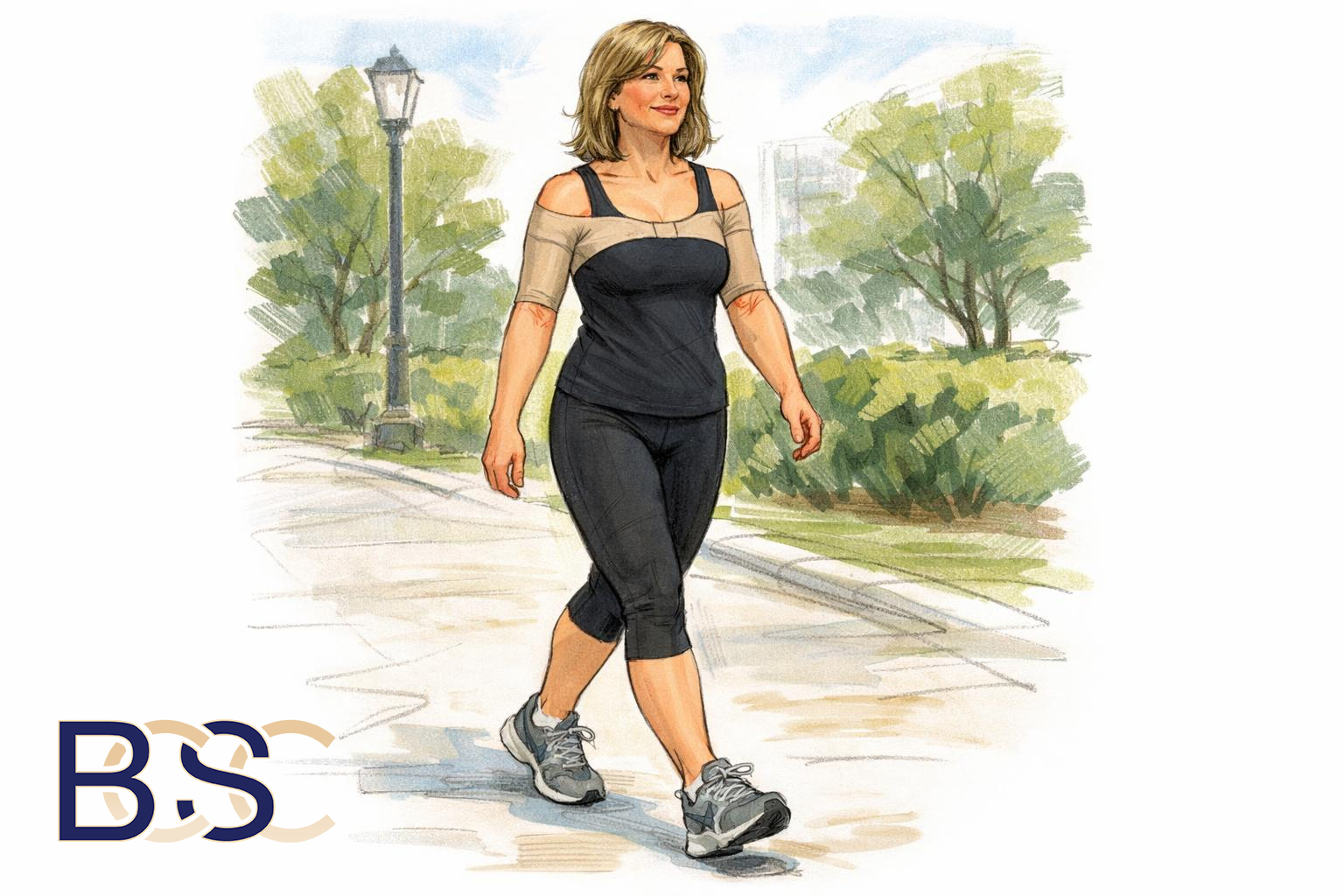
Gentle movement such as short walks is encouraged to promote circulation and support overall health. Arm movements should be limited, with the arms kept close to the body. Heavy lifting, pushing, pulling, and sudden arm movements are avoided to protect the surgical area.
Sleeping Position
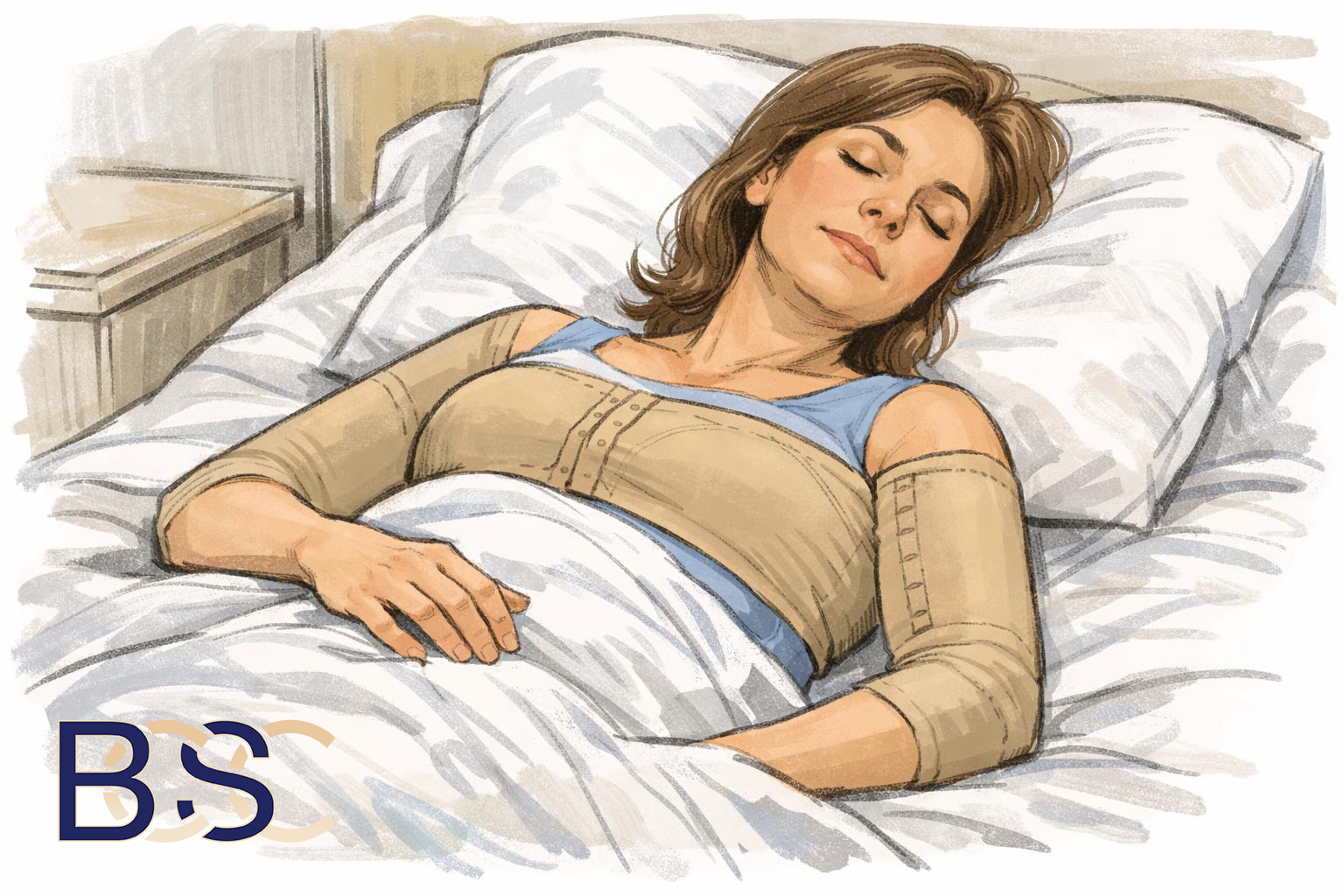
Sleeping on the back with the arms supported on pillows is recommended during the first week. Arm elevation helps reduce swelling and supports the healing process until the majority of initial swelling has settled.
Follow Up Appointments and Early Care
During the first few weeks, follow-up appointments are typically scheduled two to three times per week. Reviews involve both nursing staff and the surgeon and focus on wound care, assessment of swelling, compression garment fit, and early identification of potential complications.
Dressings are usually changed at around day 7. LED light treatment may be used during follow up visits to support the healing process and early scar healing.
Weeks Two to Three: Gradual resolution
By around two weeks after brachioplasty surgery, many patients experience reduced pain and swelling. Daily tasks and routine activities become easier, and arm comfort and ease of movement increase.
Most patients can return to desk-based work and resume driving once arm control has sufficiently recovered. Strenuous activities, strenuous exercise, resistance training, and upper body workouts remain restricted during this stage of recovery.
Compression Garment Use During Recovery
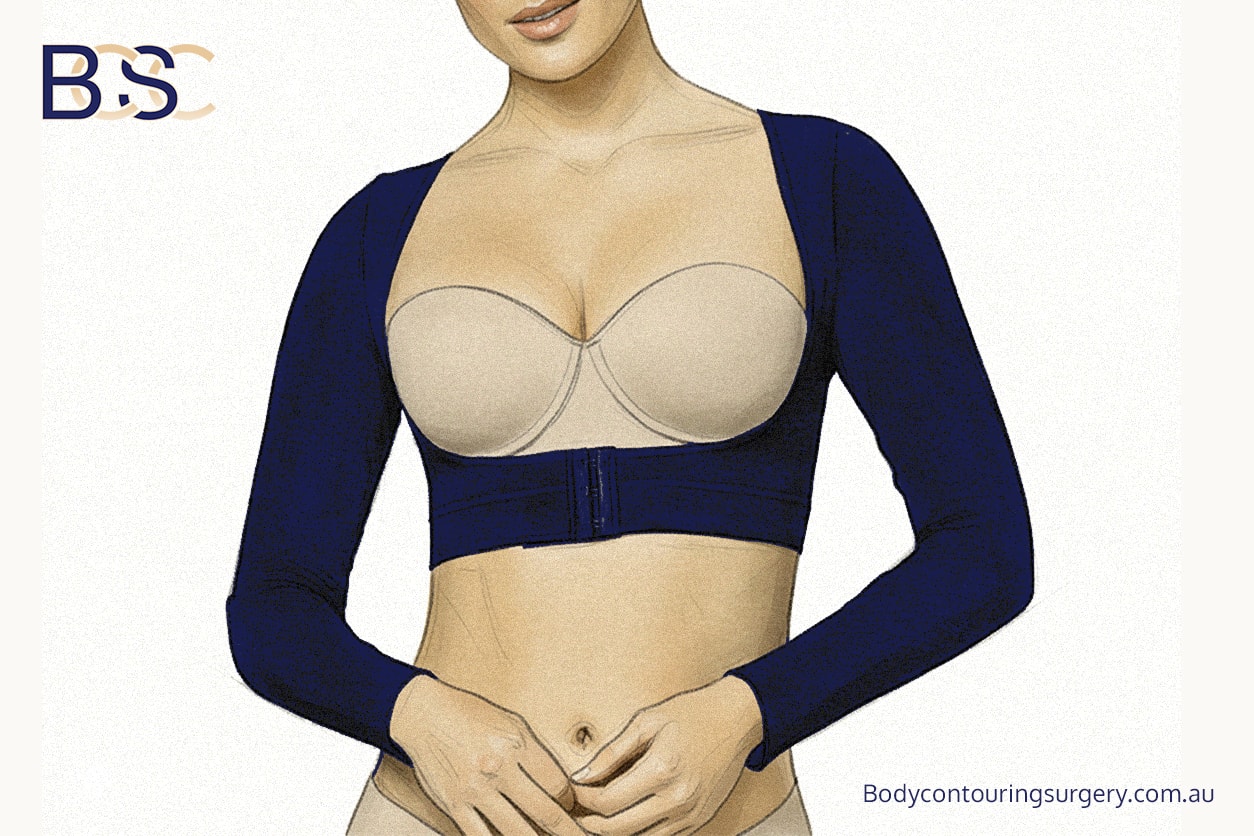
Wearing a compression garment is an essential part of brachioplasty recovery. Compression garments help manage swelling, reduce excess fluid, support scar healing, and assist the arms as they adapt following surgery.
In most cases, compression garments are worn full-time for the first four weeks after surgery. This includes day and night use. After this initial period, compression is usually continued for another two weeks, ideally during the day. Some patients choose to continue wearing the garment at night for comfort.
The duration of compression use may be adjusted based on swelling, skin elasticity, and individual healing progress.
Exercise, Physical Activity, and the Six Week Mark

Book Your Consultation at Body Contouring Surgery Clinic in Newcastle Today
Book Online NowLight physical activity can usually begin from around two weeks after surgery, provided healing is progressing well. This includes gentle walking and low-impact activity.
Exercise is increased gradually over several weeks. Many patients can return to regular exercise, resistance training, and full upper body activity around the six week mark to eight weeks after surgery. Clearance for increased physical activity is assessed during follow up appointments and individualised.
Scar Healing and Long-Term Skin Care
Scars are an unavoidable part of arm lift (brachioplasty) surgery. Scar healing occurs gradually as part of the body’s inherent healing process.
Early Scar Healing Phase
In the first few months, scars may appear red, firm, or raised. This is a normal phase of scar development and does not indicate a problem with healing.
Ongoing Scar Care and Sun Protection
Scar management may include silicone sheets, ongoing wound care, and protection from sun exposure. Limiting sun exposure is important to reduce the risk of excessive scarring and pigmentation changes. Scar maturation can take 12 to 18 months or longer.
Swelling, Sensation, and Skin Elasticity
Swelling may fluctuate for several weeks and months and is often more noticeable later in the day. Temporary changes in sensation, such as numbness or tingling, are common and usually diminish as nerves recover.
Attention to skin health, hydration, and a balanced diet supports skin elasticity and helps facilitate healing throughout recovery.
What to Avoid After Brachioplasty Surgery
To reduce the risk of complications and support healing, patients are advised to:
- Avoid heavy lifting during the early recovery period
- Avoid strenuous activities and strenuous exercise until cleared
- Avoid sudden or forceful arm movements
- Protect scars from sun exposure
- Avoid smoking
Following care instructions closely reduces the risk of delayed healing, excess fluid, or poor scar outcomes.
Healthy Lifestyle Factors That Support Recovery

A healthy lifestyle plays an important role in recovery and long-term outcomes. Maintaining a stable weight, following a healthy diet, staying hydrated, and practising regular physical activity when appropriate all support overall health and healing.
Developing healthy habits before and after surgery helps patients achieve optimal results.
When to Contact the Surgical Team
Patients should contact the surgeon’s office if they notice unusual symptoms, such as increasing pain, redness, discharge, fever, or swelling that worsen rather than improve. Early review allows timely management of potential complications.
Long-Term Recovery and Final Results
Final results following brachioplasty surgery continue to evolve over several months. As swelling resolves and scars soften, the arms typically regain a more refined appearance and improved contour. Maintaining stable weight and regular physical activity helps preserve results over time.
Frequently Asked Questions About Brachioplasty Recovery
How long does it take to heal after brachioplasty?
Most patients feel progressively more comfortable over the first few weeks, although full healing and scar maturation take several months.
How long do I need to wear compression after brachioplasty?
Compression garments are typically worn full time for four weeks, followed by an additional two weeks during the day, depending on healing.
How long do I have to sleep with my arms elevated after brachioplasty?
Arm elevation is most important until the majority of initial swelling settles, which is usually around two weeks after surgery.
What not to do after brachioplasty?
Patients should avoid heavy lifting, strenuous activities, smoking, and excessive sun exposure during recovery.
Key Takeaway
Recovering from brachioplasty is a structured recovery process. Understanding each stage, following care instructions, and allowing the body time to heal all contribute to a smoother recovery, optimal results, and better long-term outcomes.