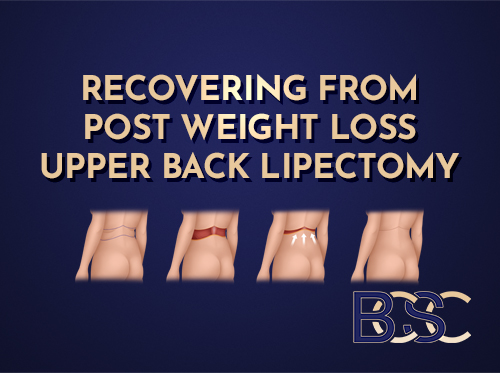
Bra lipectomy (upper back lipectomy) recovery is a staged and carefully supported process that continues well beyond the day of surgery. A bra lipectomy — also
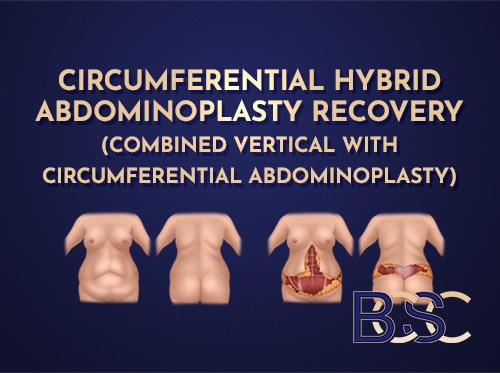
Recovering from a circumferential hybrid abdominoplasty is a gradual and structured process that requires time, planning, and appropriate post-operative support. This procedure combines a Fleur-de-Lis abdominoplasty with a circumferential abdominoplasty (belt lipectomy), making it one of the more extensive forms of body lift surgery performed within modern body contouring practice. At Body Contouring Surgery Clinic (BCSC), circumferential hybrid abdominoplasty is most commonly considered for patients who have experienced significant weight loss, massive weight loss following bariatric surgery, or long-standing changes to the abdominal wall and skin after pregnancy. In these situations, excess skin, redundant skin, and weakened abdominal muscles often
Our Specialist General Surgeons (FRACS) provide reconstructive and body contouring surgery for patients after significant or massive weight loss. This educational article reviews current evidence on Fleur-de-Lis abdominoplasty complications post weight loss, offering a comprehensive view of outcomes, risk factors, and treatment options. Individual results vary, and all surgery carries risks. Understanding the Fleur-de-Lis Abdominoplasty A Fleur-de-Lis abdominoplasty (commonly referred to as a Fleur-de-Lis tummy tuck) is a major reconstructive surgery within the field of plastic surgery performed to remove excess skin and tighten the abdominal wall following significant weight loss. It is generally considered for post-bariatric surgery patients or
A Fleur-de-Lis abdominoplasty (also known as a Fleur-de-Lis tummy tuck (abdominoplasty)) is a major surgical procedure performed to remove excess skin and tighten the underlying abdominal muscles after significant weight loss. This type of abdominoplasty surgery is a component of reconstructive surgery for patients with significant skin laxity following bariatric surgery, diet, or lifestyle changes. It can treat loose skin in both vertical and horizontal directions and may help comfort and abdominal wall function for some patients. The Fleur-de-Lis abdominoplasty differs from a traditional abdominoplasty (tummy tuck) by including both a horizontal incision and a vertical incision. This allows for
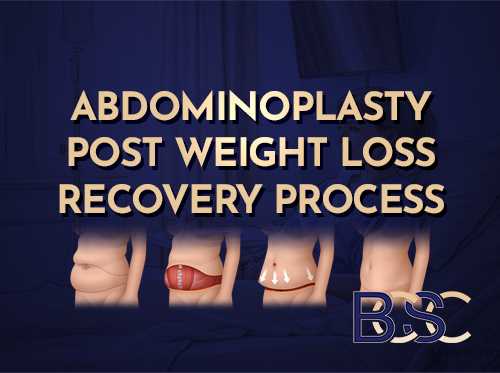
For many people who have achieved significant weight loss—either through bariatric surgery such as a gastric bypass or through lifestyle change—the next stage of their journey is often managing excess skin and fat that does not contract naturally. These changes in the abdominal region can affect mobility, hygiene, and comfort. Some individuals experience rashes, skin irritation, or difficulty finding clothes that fit well after weight loss. An abdominoplasty (tummy tuck) can help with these physical concerns through a carefully planned surgical procedure. An abdominoplasty surgery is performed to remove excess skin and excess fat from the abdominal area, while also
Both the fleur-de-lis and traditional abdominoplasty procedures are designed to treat excess skin, and they share some significant similarities. However, there are key differences between them. The fleur-de-lis abdominoplasty is a more extensive abdominoplasty procedure that treats loose skin both horizontally and vertically. In contrast, traditional abdominoplasty surgery primarily focuses on vertical loose skin only. Patients considering abdominoplasty (tummy tuck) may have challenges choosing the right procedure that meets their goals. Both traditional abdominoplasty and fleur-de-lis abdominoplasty treat excess abdominal skin and fatty tissue. They share numerous similarities but still have several differences that distinguish them apart, especially when it
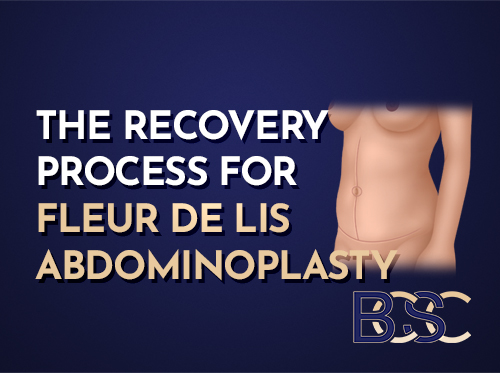
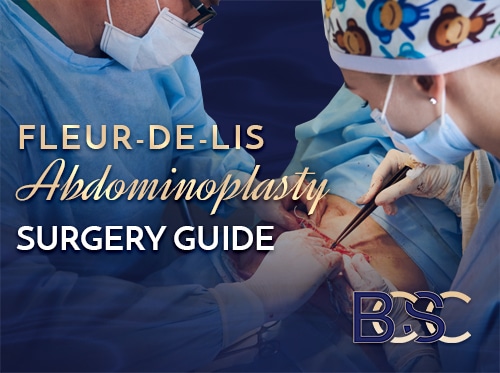
Fleur-de-Lis is an abdominoplasty procedure involving a vertical and a horizontal incision intersecting at the groin region, forming an inverted T. The procedure helps remove loose skin in patients with major weight loss, which would be challenging to remove through standard abdominoplasty procedures. This fleur de lis surgery guide helps elaborate further on Fleur-de-Lis abdominoplasty, the surgery process, recovery, pros and cons, suitability, and how to prepare for the procedure. Disclaimer: Operation performed by Dr Bernard Beldholm. Adult content, surgery has risks; individual results vary, seek 2nd opinion. Please see the full disclaimer. What is Fleur-de-Lis Abdominoplasty? Fleur-de-Lis is a French
Traditional abdominoplasty may be inadequate in the treatment of the abdominal contours in major weight loss patients. This requires a specialised abdominoplasty procedure that adequately target this challenge. Fleur-de-Lis is an abdominoplasty technique that removes significant redundant belly skin and fat vertically and horizontally in major weight loss patients. If you have had massive weight loss resulting in redundant excess abdominal skin in the upper belly as well as the lower abdominal wall, you may be a candidate for a Fleur-de-Lis abdominoplasty. But what exactly is Fleur-de-Lis abdominoplasty? This guide looks at the technique, how it differs from traditional abdominoplasty
Brachioplasty patients with a private health fund may pay less out-of-pocket for the hospital charges if they have a gold-level cover, have skin conditions caused by excess skin after losing 5+ BMI points, and are unable to do normal daily activities. Eligible brachioplasty patients can reduce out-of-pocket costs further if they apply for a Medicare rebate (MBS Item # 30169). Health funds never cover the full cost of brachioplasty, even if it says “fully covered”. Brachioplasty surgery costs an estimated 5000 to 10000 AUD. The surgeon, hospital, and anaesthetist fees are often billed separately. Actual costs vary. The most reliable
After extreme weight loss, patients with loose skin on their upper arms should wait 12 months for the skin to retract naturally and maintain a stable weight for six months before scheduling their arm lift (Brachioplasty) surgery. Tattoo (upper back area) blurred for privacy Disclaimer: Operation performed by Dr Bernard Beldholm. Adult content, surgery has risks; individual results vary, seek 2nd opinion. Please see the full disclaimer. When is the right time for a Brachioplasty after weight loss? Excess skin and fat can hang from the upper arms after losing 20 or more kilos. Brachioplasty surgery (otherwise known as an arm