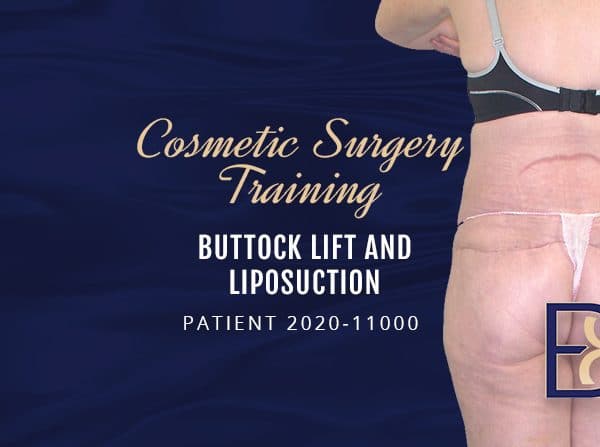
Complications After Bra lift (Upper Back lipectomy): What Patients Need to Know
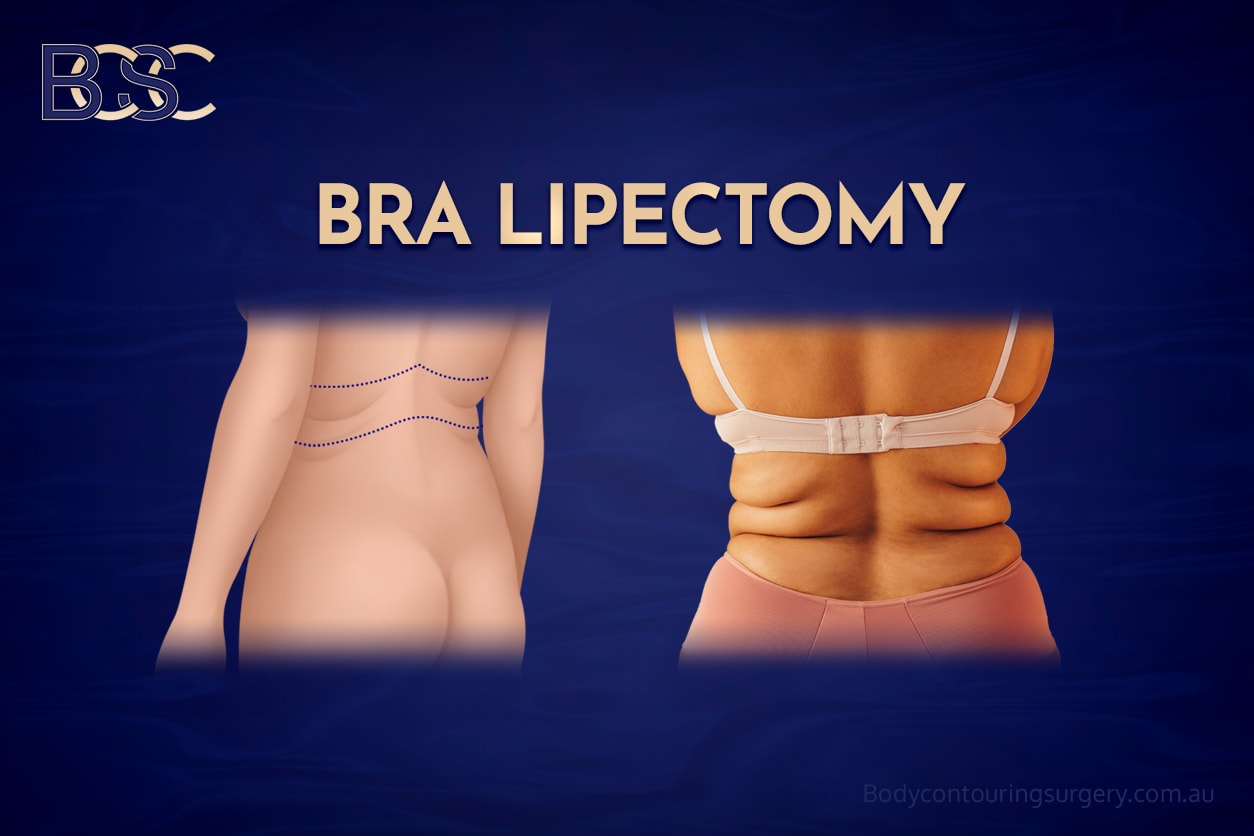
Upper back lipectomy, also known as an bra lift, is a surgical procedure designed to remove excess skin and fat from the upper and middle back. It is commonly performed as part of broader body contouring procedures for patients who have experienced significant weight loss, including following bariatric surgery, pregnancy, or long-term lifestyle-related weight reduction.
For many surgical patients, excess skin in the upper back can lead to functional concerns such as skin irritation, difficulty with clothing fit, hygiene challenges within skin folds, and discomfort along the bra line. A bra lipectomy aims to treat these issues by excising excess tissue and tightening the remaining skin. However, as with all surgery, there are recognised risks and potential complications.
This article provides a comprehensive overview of bra lipectomy complications, explains why they occur, and outlines the common treatments and management strategies used in clinical practice. It is written to support informed decision-making and realistic expectations.
Understanding bra lift (Upper back lipectomy) and the Surgical Area
A bra lift (Upper back lipectomy) is a surgical procedure designed remove excess skin and fat that cannot be addressed through diet and exercise alone. The incision is typically positioned horizontally so it can be concealed beneath a bra strap or garment.
This procedure may be performed as a standalone operation or combined with other body procedures, such as:
- Lower body lift (belt lipectomy)
- Circumferential body lift (circumferential abdominoplasty)
- Breast lift (mastopexy)
- Tummy tuck (abdominoplasty)
Because the upper body is involved in frequent movement, tension across the incision and friction from garments can influence healing. These factors explain why certain complications are more common in upper body lift (upper lipectomy) surgery than in other areas.
Why Complications Can Occur After an Upper Back Lift (Upper back lipectomy)
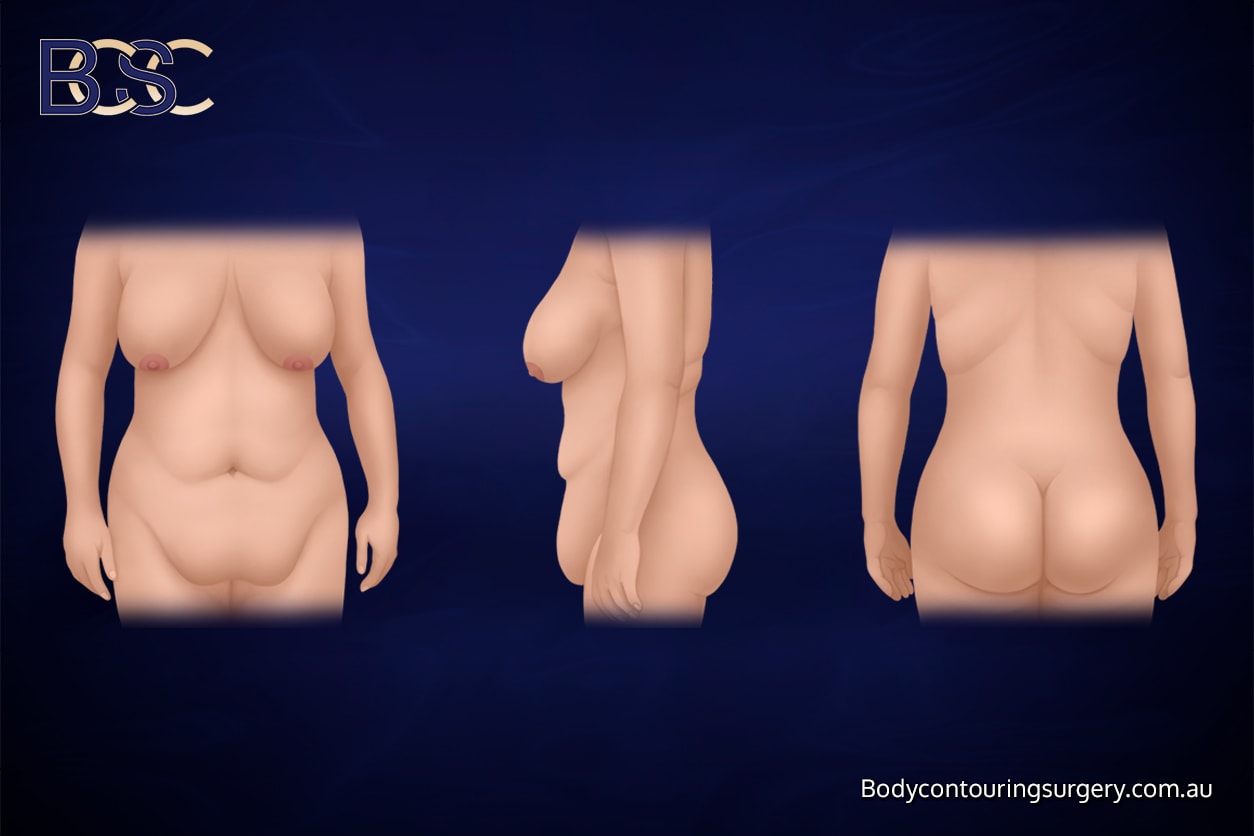
Complications after a bra lipectomy are influenced by a combination of surgical, anatomical, and patient-specific factors. Understanding these factors helps patients set realistic expectations and actively participate in reducing their own risk.
Key contributors include:
- The extent of massive weight loss or major weight loss, which often leaves skin with reduced elasticity and compromised blood supply
- Quality and thickness of the remaining skin, including the presence of stretch marks or previous scars
- Whether the patient has achieved and maintained a stable weight prior to surgery
- Smoking or nicotine exposure negatively affects blood flow and wound healing
- Nutritional deficiencies, particularly protein, iron, zinc, and vitamins, are common after bariatric surgery
- Underlying health conditions such as diabetes, autoimmune disease, or vascular conditions
- The decision to combine bra lipectomy with other body contouring in a single operation
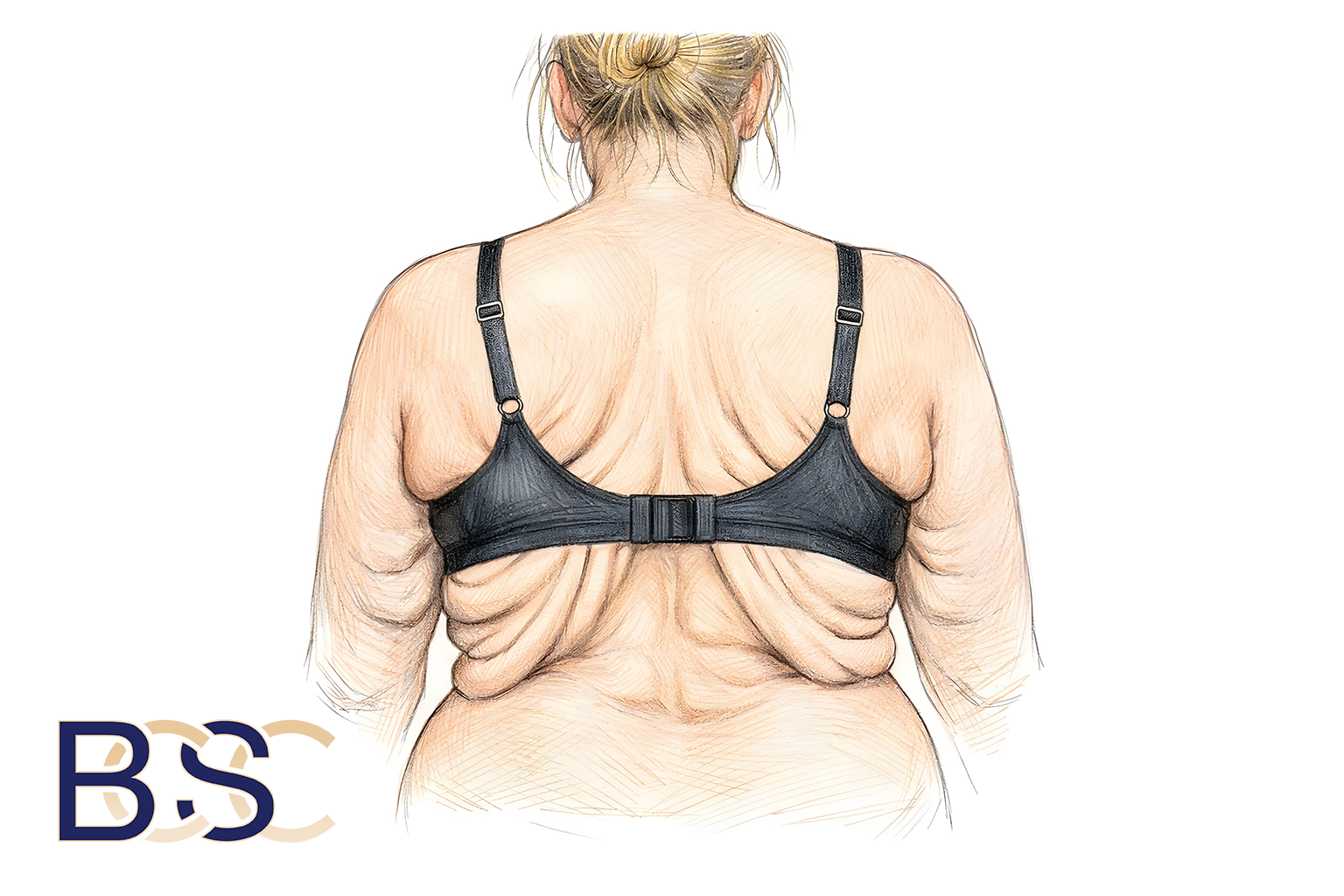
Patients who have undergone significant weight loss frequently have thinner tissues and altered lymphatic drainage, which can increase the likelihood of swelling, seroma formation, and delayed healing. These risks are not a reflection of surgical quality but rather the biological changes associated with weight loss.
A thorough medical history review and preoperative preparation process are essential to identify modifiable risk factors before surgery.
Most Common Complications After Bra Lipectomy
The majority of complications following a bra lipectomy are localised wound or scar-related issues. These are usually manageable with conservative treatment and careful follow-up. Understanding what is common versus less common can help reduce anxiety during recovery.
Delayed Wound Healing
Delayed wound healing is widely regarded as the most common complication following a bra lipectomy or upper body lift (upper lipectomy). It typically presents as small areas of slow healing along the incision rather than complete wound breakdown.
Why it happens:
- Reduced circulation in the skin that has been stretched or thinned after weight loss
- Mechanical tension across the incision due to upper-body movement
- Friction or pressure from bras, garments, or sleeping positions
- Nutritional deficiencies common after significant weight loss
- Smoking or exposure to nicotine products
Usual management:
- Increased frequency of wound reviews during the first few weeks
- Targeted local wound care and dressing changes
- Temporary modification of activity levels, particularly avoiding heavy lifting and overhead arm movements
- Short courses of antibiotics if there are signs of secondary infection
Most delayed-healing areas close gradually over time and do not affect the overall outcome of the body lift (lipectomy) procedure.
Scar Widening or Prominent Scarring
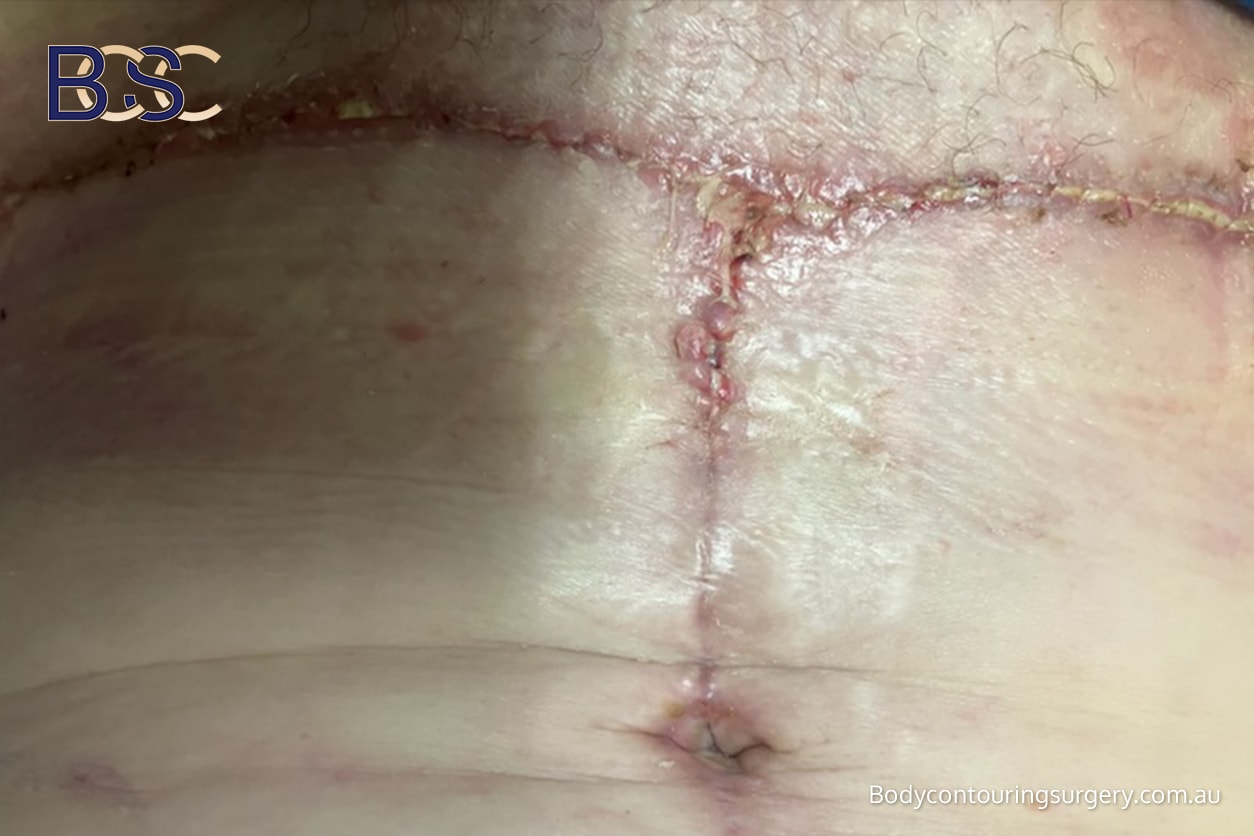
Scarring is an expected outcome of all excisional body contouring procedures, including bra lipectomy. Because the incision runs horizontally across the upper body, scar quality is influenced by tension, movement, and skin quality.
Why scars may widen:
- Reduced skin elasticity after massive weight loss
- Tension from arm movement and posture
- Early return to strenuous normal activities
Management strategies:
- Prolonged use of silicone gel or sheets
- Ongoing taping to reduce tension across the scar
- Education around posture, garment choice, and activity modification
- Consideration of scar revision only after full scar maturation, usually after 12 months
It is important to note that scar appearance continues to evolve, and early judgment of scar quality can be misleading.
Seroma (Fluid Collection)
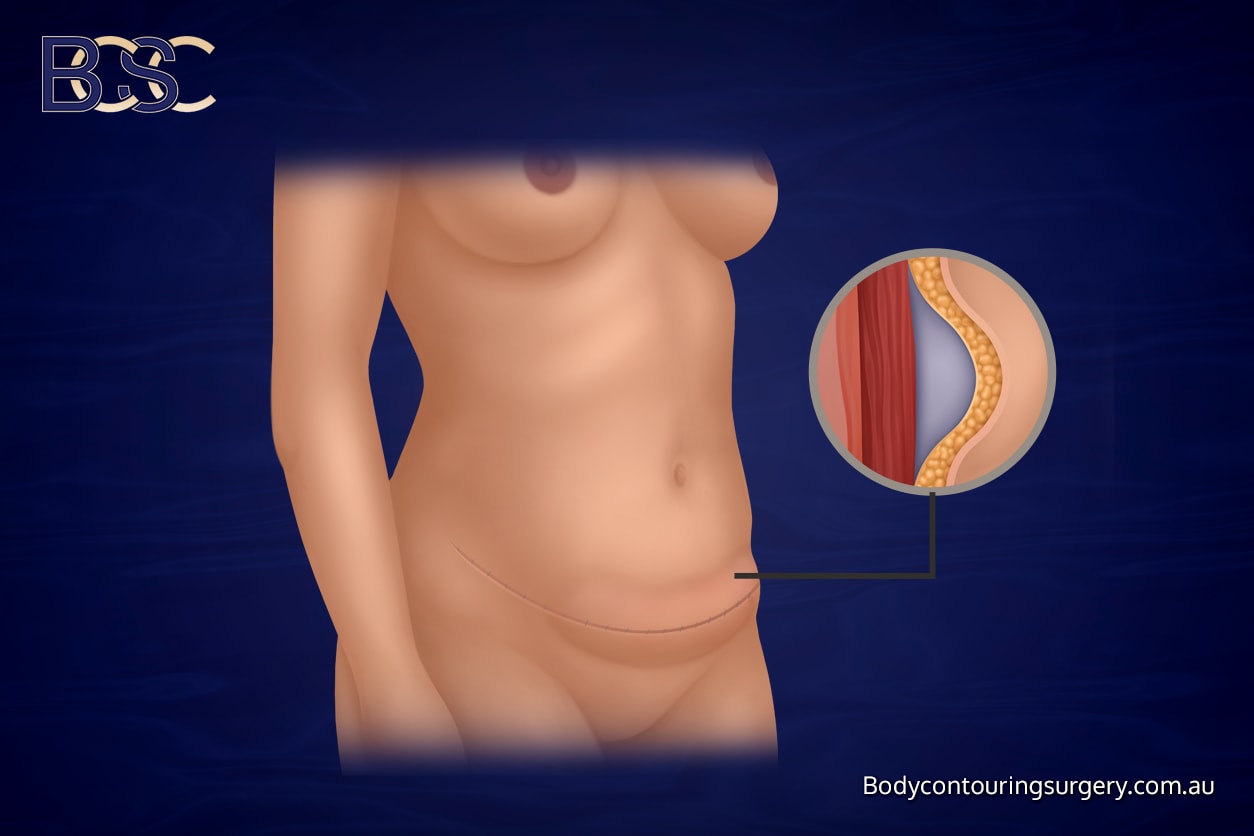
A seroma represents a collection of clear fluid beneath the skin at the surgical site.
Why it occurs:
- Creation of a potential space after removal of excess skin and fat
- Disruption of lymphatic channels during surgery
- Reduced tissue adherence in patients with loose skin following weight loss
Management:
- Clinical assessment and ultrasound if required
- Needle aspiration is performed in rooms
- Continued or extended use of compression garments
- Rarely, temporary drain placement
Most seromas resolve without long-term consequences when managed early.
Infection

Infection following bra lift (Upper back lipectomy) is possible, particularly if wound healing is delayed.
Signs may include:
- Increasing redness or warmth
- Worsening pain
- Discharge or fever
Usual treatment:
- Oral or intravenous antibiotics
- Local wound care
- Surgical intervention only in rare cases
Prompt treatment typically results in full resolution.
Minor Wound Separation
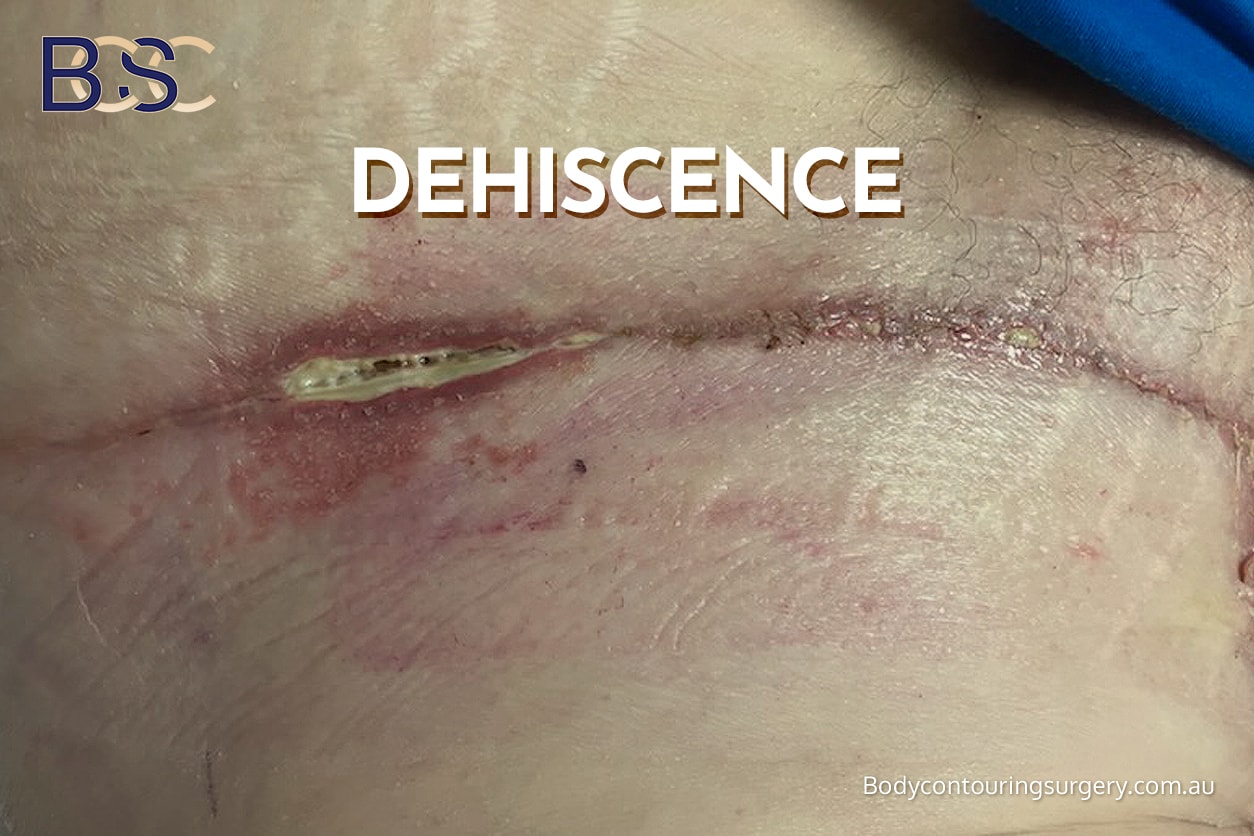
Small areas of wound separation may occur near the ends of the incision or at points of tension.
Management:
- Conservative wound care
- Reduced activity
- Healing by secondary intention if required
These areas generally heal without long-term impact.
Less Common but Important Complications
Less common complications occur infrequently but must still be discussed as part of informed consent. Early recognition and appropriate management are essential to minimise long-term impact.
Excessive Bleeding or Haematoma
Bleeding may occur during or after surgery, particularly in patients with clotting issues or medication-related risks.
Management:
- Careful intraoperative technique
- Postoperative monitoring
- Return to theatre is uncommon but possible
Blood Clots
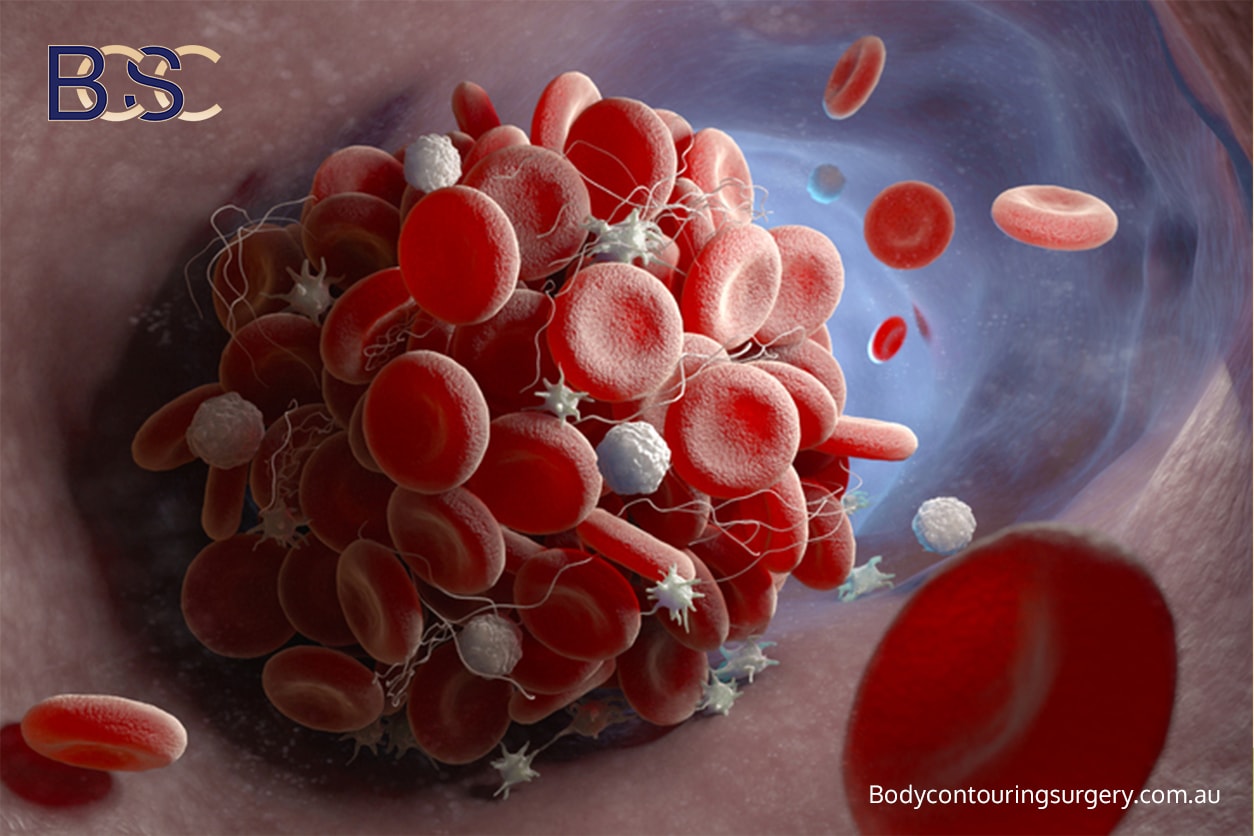
Blood clots are a rare but life threatening complication associated with many body contouring procedures.
Risk factors:
- Prolonged surgery
- Reduced mobility
- Previous history of clots
Prevention:
- Early mobilisation
- Compression stockings
- Individualised risk assessment
- blood thinning medications
Sensory Changes

Temporary numbness or altered sensation near the incision is common following an upper body lift (upper body lipectomy).
Management:
- Observation and reassurance
- In most cases gradually resolution over months
Permanent changes are uncommon.
Asymmetry or Undercorrection
Some patients may notice residual loose skin or asymmetry once swelling settles.
Management:
- Observation during the healing process
- Minor revision in selected cases
Anaesthetic-Related Complications
As with any procedure under general anaesthesia, reactions or complications may occur.
Management:
- Thorough medical history assessment
- Intraoperative monitoring
- Postoperative observation
Reducing the Risk of Complications

While not all complications can be prevented, many risks associated with bra lipectomy can be reduced through careful preparation and adherence to postoperative instructions.
Patients are encouraged to:
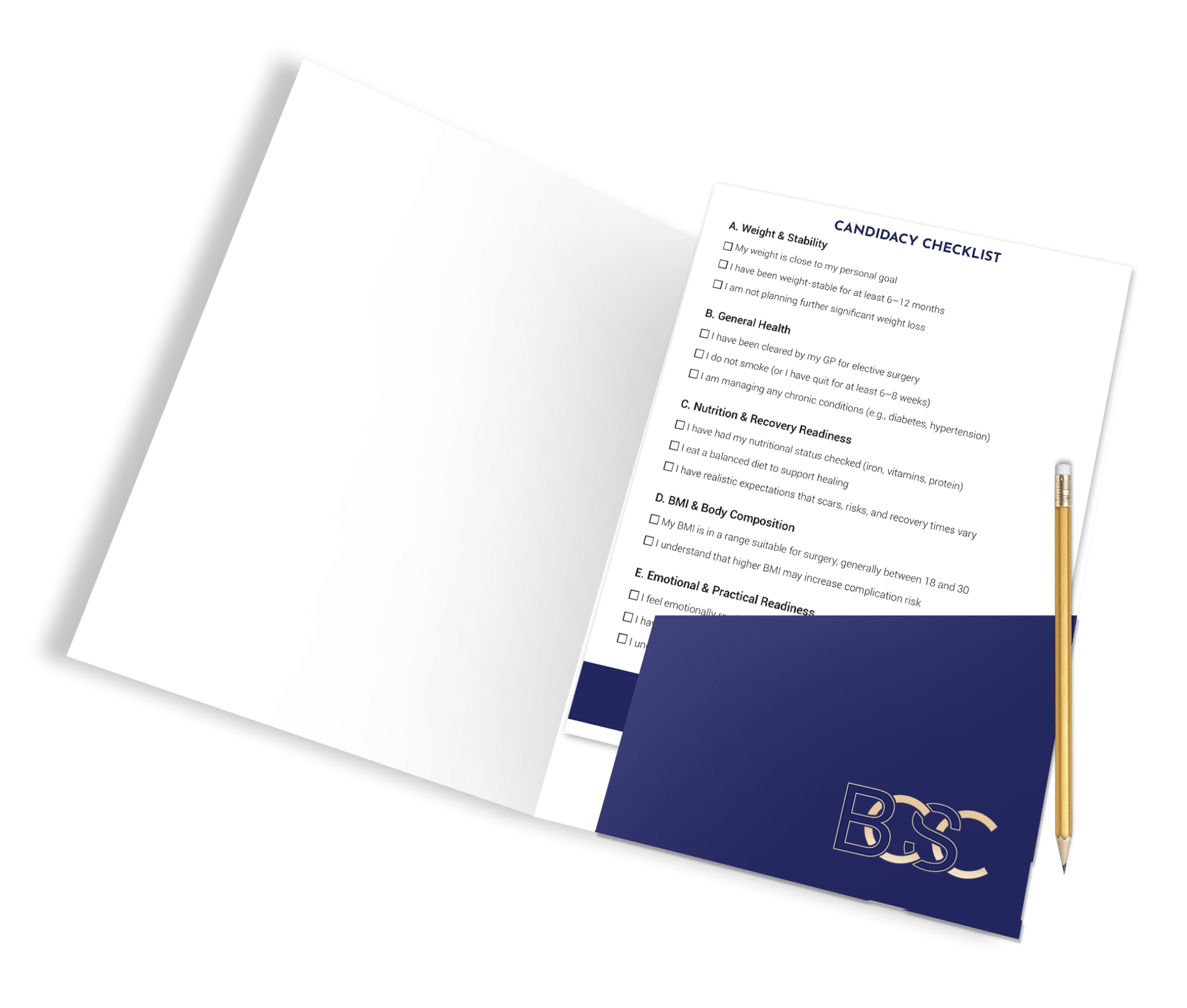
- Achieve and maintain a stable weight prior to surgery
- Follow a balanced diet rich in protein, iron, and essential micronutrients
- Quit smoking and avoid all nicotine products well before surgery
- Disclose full medical history, including supplements and medications
- Wear compression garments exactly as advised
- Avoid strenuous exercise, stretching, and heavy lifting for at least six weeks
- Attend all scheduled follow-up appointments, especially during the weeks post surgery
Active participation in recovery significantly supports proper healing and reduces the likelihood of complications.
Recovery Timeline After Bra lift (Upper back lipectomy)

The recovery process following bra lipectomy varies between individuals and depends on whether the procedure is performed alone or combined with other body contouring procedures.
In general, patients can expect:
- The first few weeks to involve swelling, tightness, and restricted arm movement
- Gradual reduction in swelling over 3–6 weeks
- Return to light daily tasks and desk-based work within several weeks
- Avoid strenuous activity, gym exercise, and upper body strain for at least six weeks
Scar maturation and soft tissue settling continue for many months. Long-term follow-up allows monitoring of wound healing, scar development, and overall recovery.
Long-term scar maturation can take 12–18 months.
Frequently Asked Questions

Which risk is associated with lipectomy procedures?
All lipectomy body lift surgeries carry risks, including wound-healing issues, infection, scarring, fluid collections, and blood clots.
What is a bra lipectomy (Upper back lipectomy)?
A bra lipectomy is an upper body lift surgery designed to remove excess skin and fat from the upper and middle back, often following substantial weight loss.
What is the recovery time for a lipectomy?
Most patients require several weeks for initial recovery, with a gradual return to full activity over 6–8 weeks.

Location of practice: 30 Belmore Rd, Lorn, NSW 2320
Area of interest:
Body contouring surgery post pregnancy and post-weight loss, including Abdominoplasty, Mastopexy, Breast augmentation (Augmentation mammoplasty), Brachioplasty and Thighplasty.