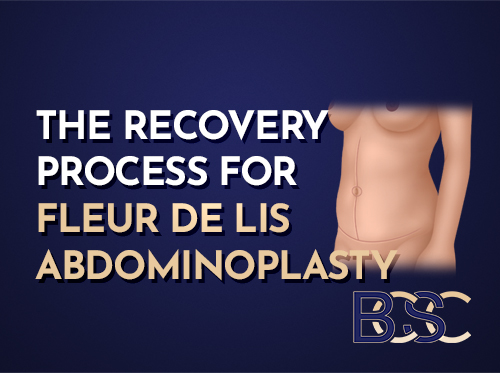
The Recovery Process for Fleur-de-Lis Abdominoplasty Post-Weight Loss A Fleur-de-Lis abdominoplasty (also known as a Fleur-de-Lis tummy tuck (abdominoplasty)) is a major surgical procedure performed
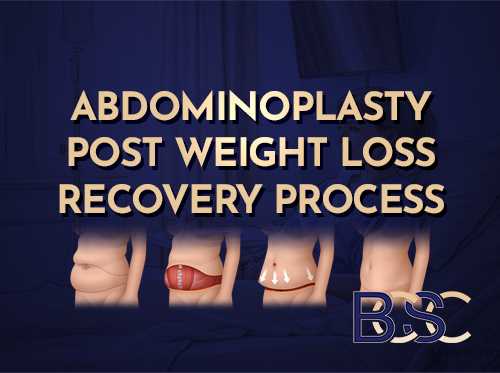
Abdominoplasty Post Weight Loss Recovery Process (Standard and Extended Abdominoplasty) For many people who have achieved significant weight loss—either through bariatric surgery such as a gastric bypass or through lifestyle change—the next stage of their journey is often managing excess skin and fat that does not contract naturally. These changes in the abdominal region can affect mobility, hygiene, and comfort. Some individuals experience rashes, skin irritation, or difficulty finding clothes that fit well after weight loss. An abdominoplasty (tummy tuck) can help with these physical concerns through a carefully planned surgical procedure. An abdominoplasty surgery is performed to remove excess
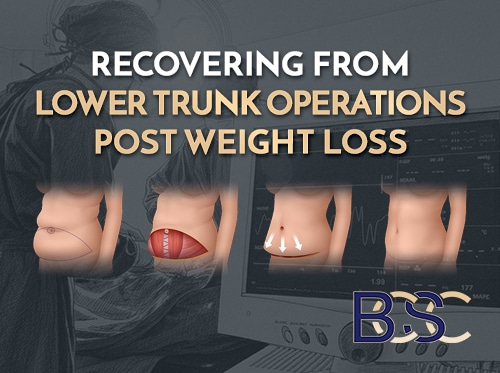
Recovering from Lower Trunk Operations Post Weight Loss Recovering from lower trunk operations post weight loss is a significant stage in the journey of massive weight loss patients. Many individuals who have experienced significant weight loss – whether through bariatric surgery (weight loss surgery), lifestyle changes, or medically supervised weight-loss medications – find themselves with excess skin and fat that does not retract on its own. This excess skin can lead to rashes, hygiene difficulties, mobility issues, and reduced quality of life due to physical limitations. At Body Contouring Surgery Clinic (BCSC), our team of specialist surgeons performs body contouring
Using Closed‑Incision Negative Pressure Therapy (PICO™) After Abdominoplasty This page explains how and why our surgeons may use single‑use closed‑incision negative pressure therapy (ciNPT), such as the PICO™ system, after abdominoplasty (tummy tuck/abdominoplasty). It is general information only and does not replace a consultation. What is closed‑incision negative pressure therapy? Closed‑incision negative pressure therapy uses a small, battery‑powered pump attached to a specialised dressing to apply gentle suction (negative pressure) across a closed surgical incision. The dressing helps manage fluid (exudate), supports the edges of the incision and provides a barrier to external contamination while you heal in the early