Dual-vector Abdominoplasty Recovery
Recovery following a dual vector abdominoplasty is a planned and carefully supported process. While the overall recovery shares similarities with Fleur-de-Lis abdominoplasty, there are additional factors to consider due to the presence of an upper abdominal incision as part of this procedure.
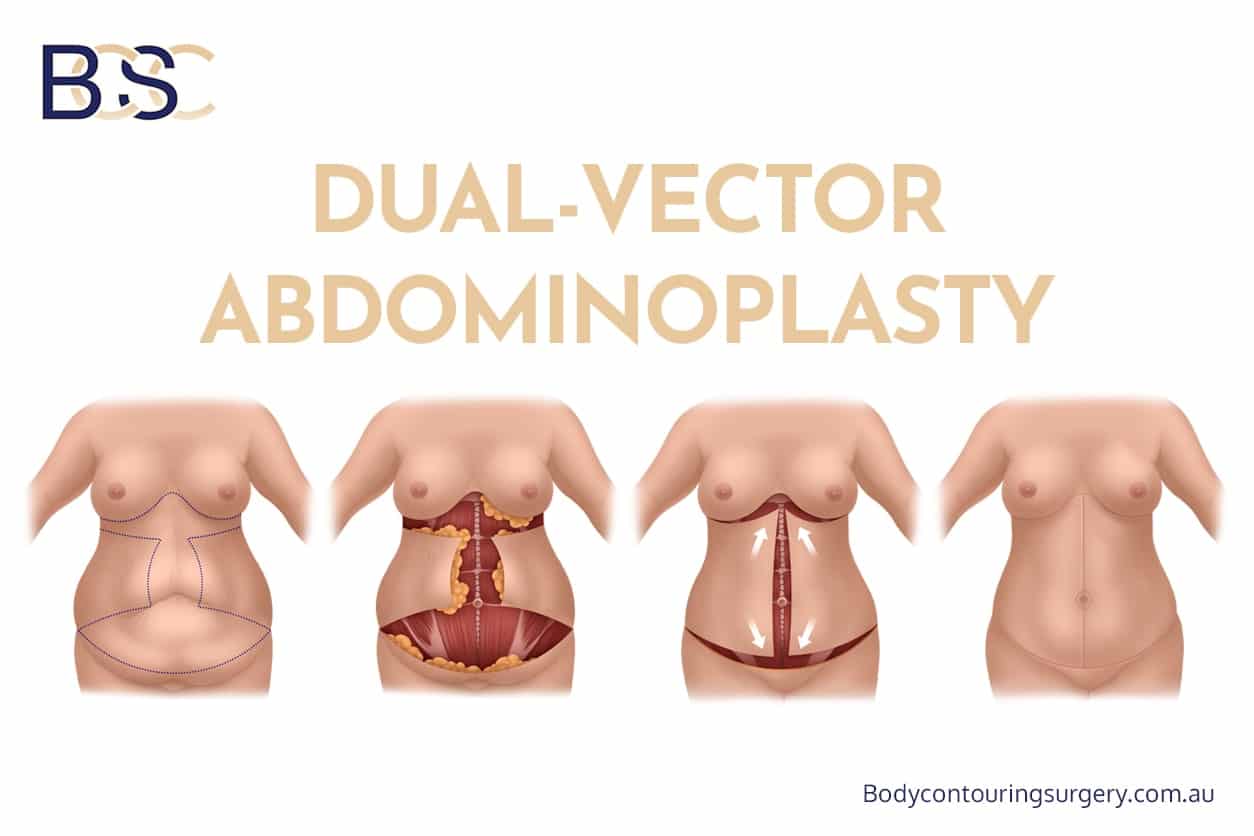
Dual-vector abdominoplasty | Body contouring surgery clinic
Recovery following a dual-vector abdominoplasty is a planned and carefully supported process.
Recovery after dual-vector abdominoplasty is approached in a structured, stepwise manner. The surgical and nursing team focus on the patient, wound management, and a gradual return to daily activities. This guide explains what patients can expect during the recovery period, how dual-vector abdominoplasty recovery compares with standard tummy tuck (abdominoplasty) recovery, and how healing is supported in the weeks and months following surgery.
What makes dual-vector abdominoplasty recovery different
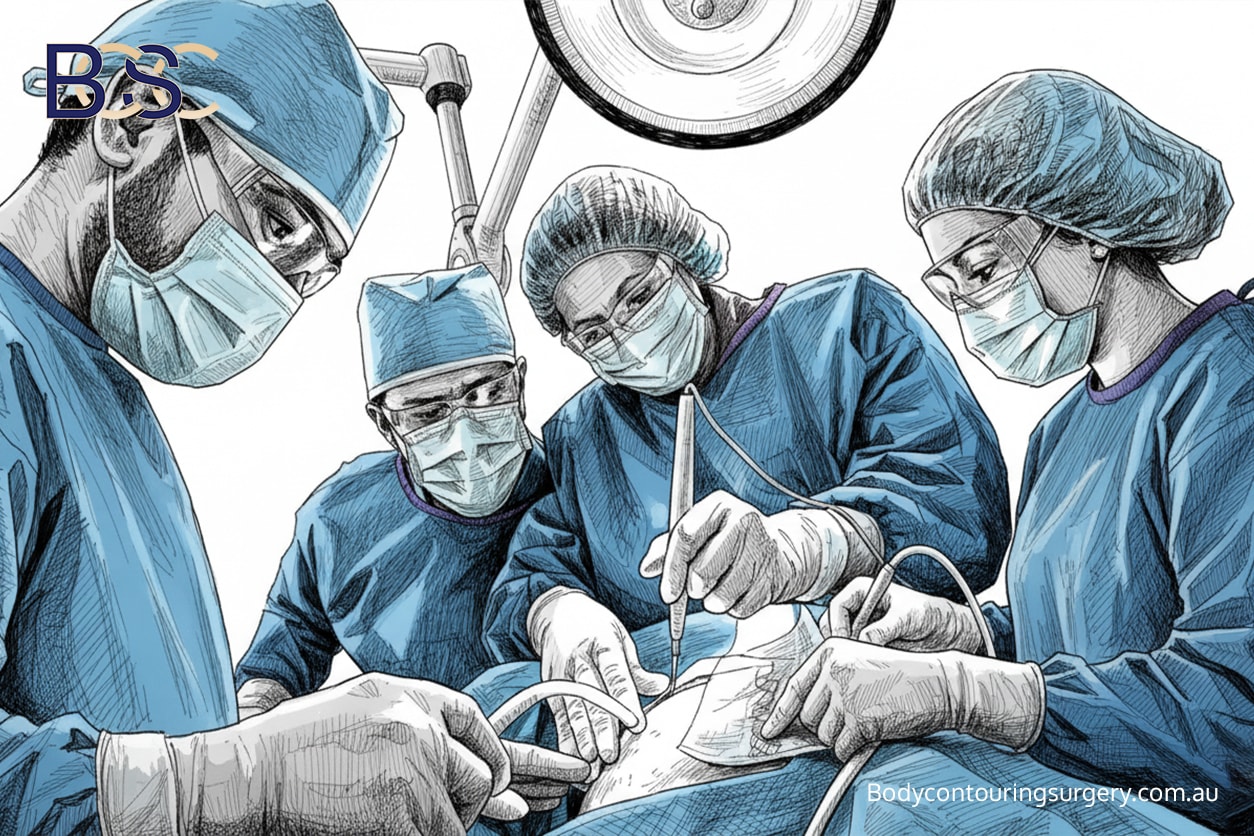
Dual-vector Abdominoplasty Recovery
Dual-vector abdominoplasty is a form of tummy tuck (abdominoplasty) commonly performed for patients after significant weight loss. The procedure combines a Fleur-de-Lis abdominoplasty with an upper abdominal lipectomy, allowing excess skin to be treated in both vertical and horizontal directions, including the upper abdomen.
As a result, recovery involves healing across multiple incision sites:
- A lower abdominal incision
- A vertical midline abdominal incision
- An upper abdominal incision
Because several skin directions and tissue layers are involved, recovery is often more demanding than after a standard abdominoplasty. This does mean recovery requires realistic expectations, adequate support, and close adherence to post-operative instructions.
Comparison with Fleur-de-Lis abdominoplasty recovery
In many respects, recovery after dual-vector abdominoplasty mirrors recovery following a Fleur-de-Lis abdominoplasty. Patients can expect reduced mobility in the early phase, the use of compression garments, scheduled follow-up appointments, and a staged return to physical activity.
The most notable difference is the upper abdominal incision. This area can contribute to a greater sense of tightness, particularly when standing upright, and may increase discomfort during the initial recovery period. For most patients, this affects comfort levels rather than extending the overall recovery timeframe.
Hospital stay and discharge planning
Hospital stay
Dual-vector abdominoplasty is performed in an accredited private hospital setting. Most patients remain in hospital for several nights following tummy tuck (abdominoplasty) surgery.
During the hospital stay, the clinical focus includes:
- Pain control and comfort measures
- Early mobilisation
- Monitoring of drains and surgical dressings
- Reducing the risk of complications such as blood clots
Pain relief may involve prescription pain medication as well as other pain medications where appropriate. Discharge occurs once patients are mobilising, pain is controlled with oral medication, and a clear plan for wound care and follow-up has been established.
Early movement and posture
Walking is encouraged soon after surgery and continues once patients return home. Early mobilisation helps promote circulation, supports the body’s healing process, and assists in reducing the risk of blood clots.
It is common for patients to walk slightly flexed at the waist during the first few weeks. This is influenced by muscle repair, lower abdominal tension, and the upper abdominal incision. Posture returns to normal progressively as swelling reduces and tissues heal. Short, frequent walks are preferred, particularly throughout the first two weeks.
Compression garments and swelling management
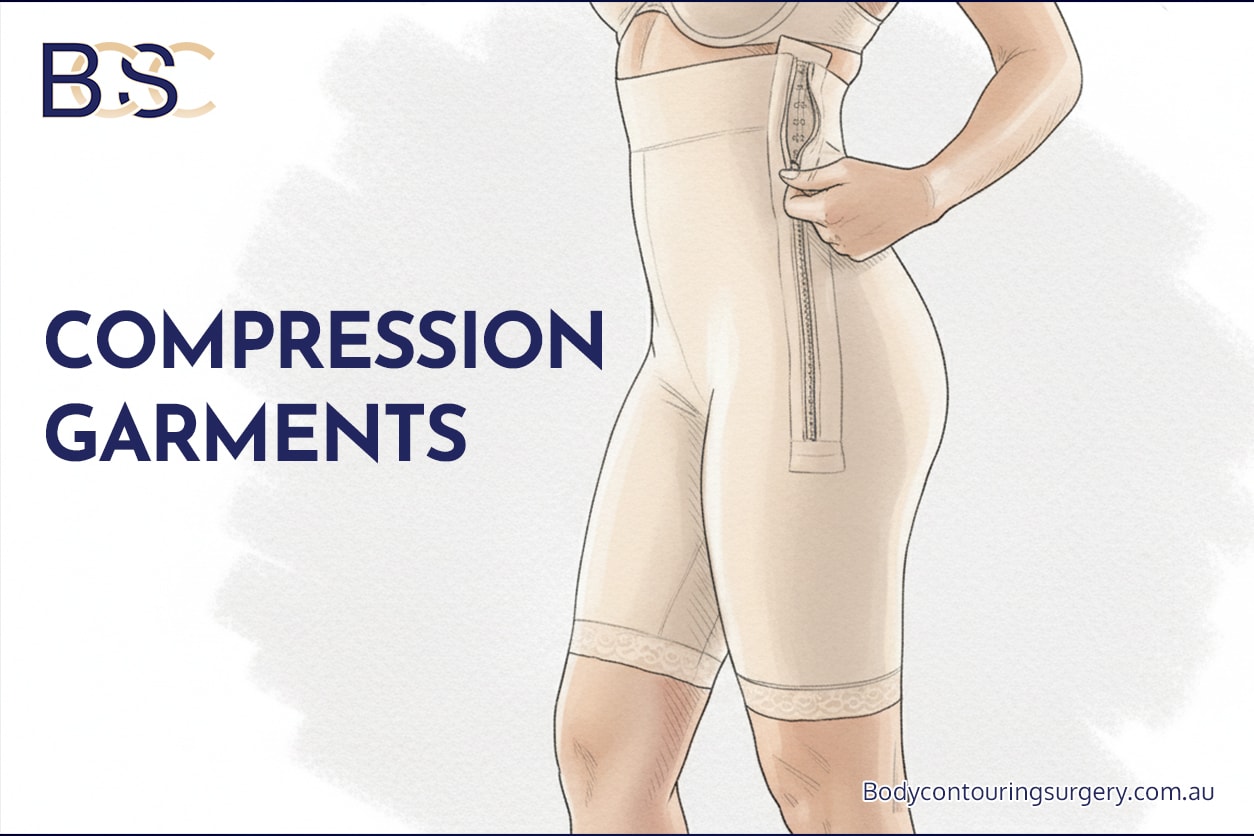
Compression garment | Body contouring surgery clinic
Compression garments are a key component of the abdominoplasty recovery process. They provide support to healing tissues, help manage swelling, and comfort during movement.
Following dual-vector abdominoplasty, garments must be fitted carefully to avoid excessive pressure on the upper abdomen. Swelling can persist for several months and may fluctuate with changes in activity levels.
Wound care and early follow-up
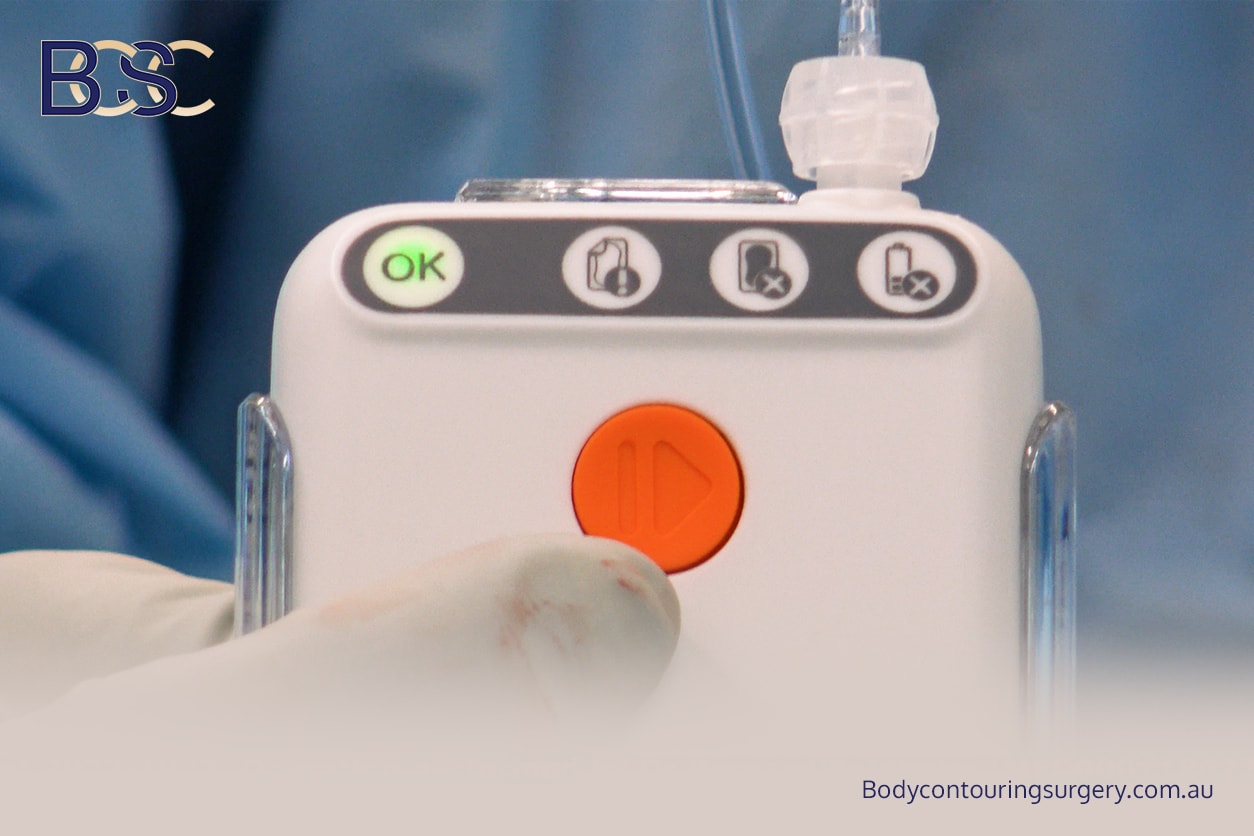
PICO dressings | Body contouring surgery clinic
Care of the incision sites is an essential part of recovery. After discharge from hospital, patients attend regular early follow-up appointments for wound review and monitoring during the initial recovery period.
Most patients leave hospital with PICO negative pressure dressings in place. These dressings are usually changed at around day 7 after surgery. Ongoing wound support is then provided using tape dressings.
The upper abdominal incision often feels firmer and may take longer to settle than lower abdominal wounds. This is expected. Patients are advised to keep incision sites clean and dry and to avoid unnecessary strain on the wounds. Increasing redness, discharge, fever, or escalating pain should be assessed promptly.
Muscle repair and abdominal support considerations
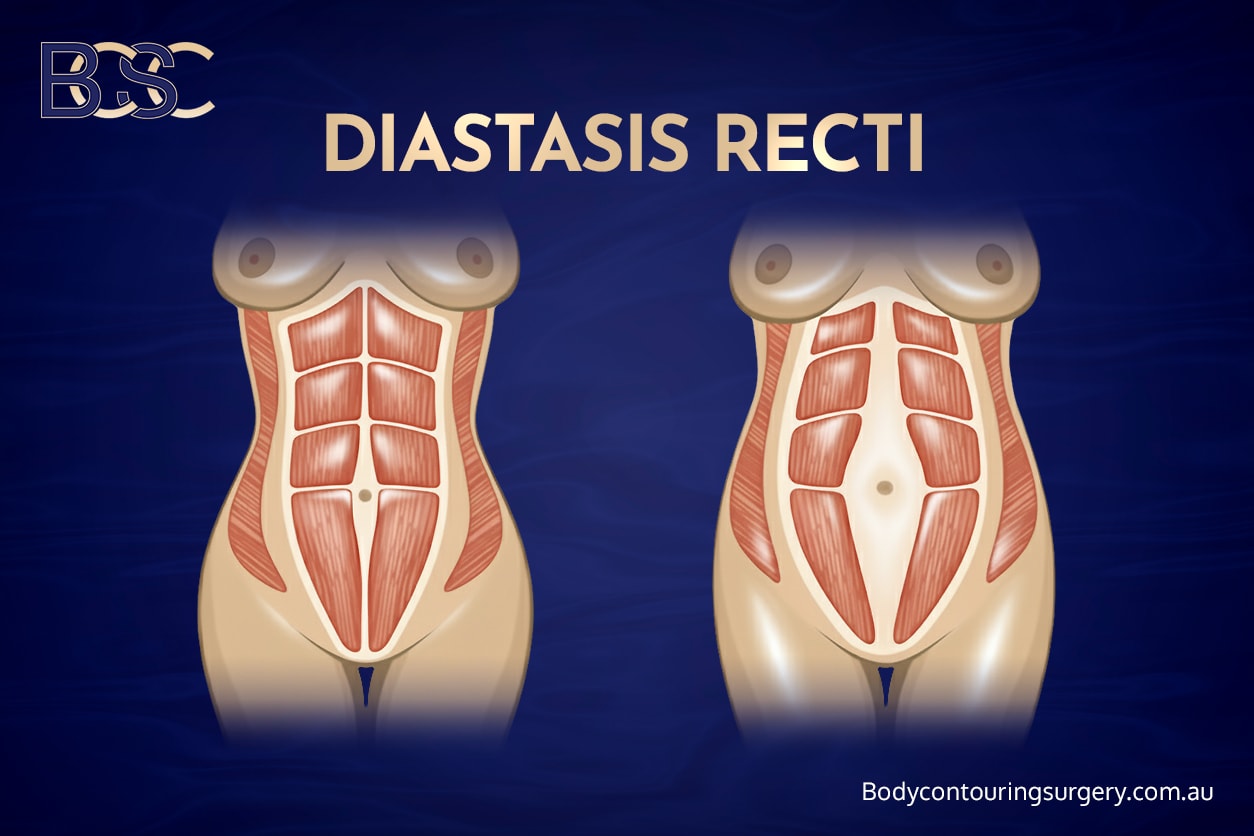
Diastasis recti | Body contouring surgery clinic
Many patients undergoing tummy tuck (abdominoplasty) have muscle repair performed to correct separation (diastasis recti) of the abdominal muscles. While this treats the abdominal wall, it significantly influences recovery in the early weeks.
Activities that increase pressure through the abdominal wall should be avoided initially to protect the repair and support optimal healing.
Activity restrictions and progression
During the early recovery phase, patients are advised to avoid:
- Strenuous exercise
- Heavy lifting
- Weight lifting
- Core strengthening exercises
Gentle activities such as walking are encouraged. Strenuous activities are usually restricted for four to six weeks, and sometimes longer, depending on individual healing and clinical review.
Gradual return to everyday activities
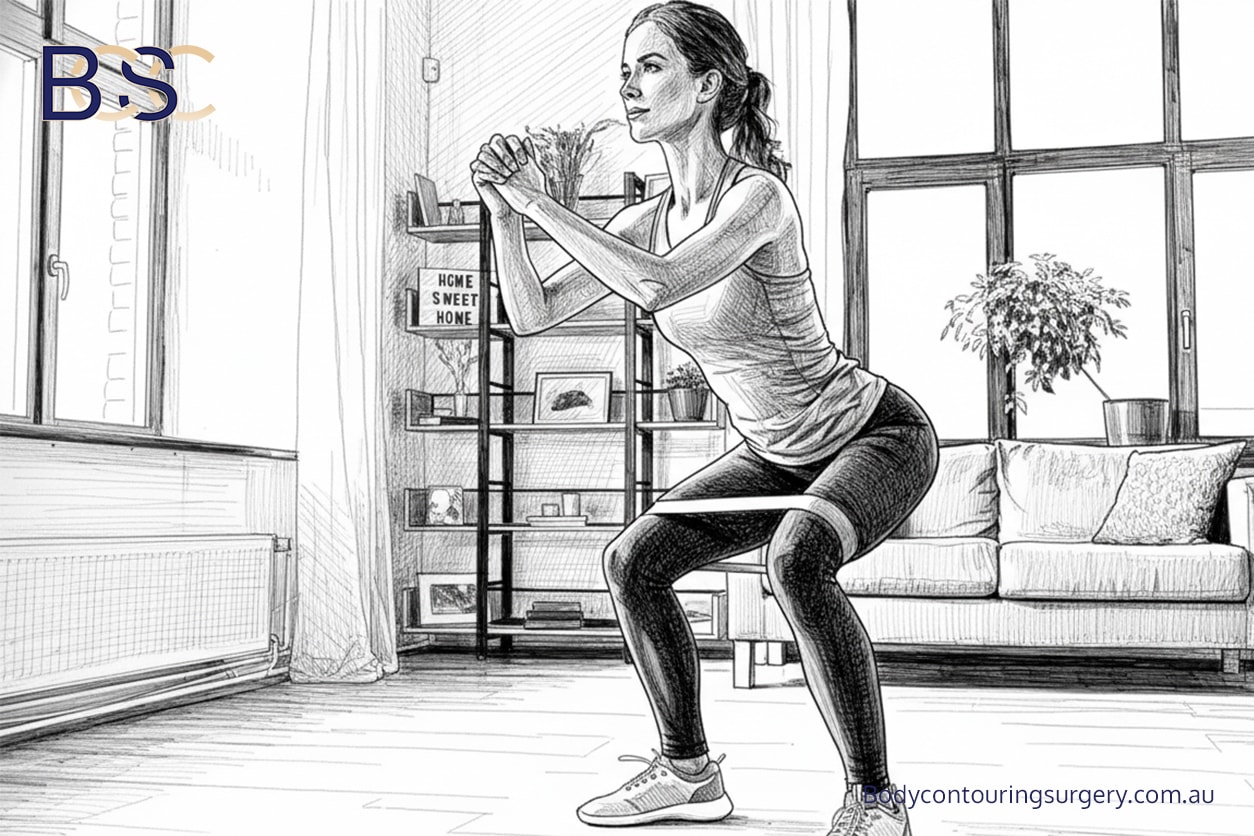
Exercising after surgery | Body contouring surgery clinic
Most patients can resume light household activities within two to three weeks and return to desk-based work at approximately three to four weeks following surgery. Recovery progresses gradually, and activity levels should increase cautiously.
Moderate exercise and regular exercise are reintroduced in stages once cleared by the surgical team. Advancing activity too quickly can place unnecessary stress on healing tissues.
Managing swelling over time
Swelling is a normal part of the recovery process and may fluctuate as activity levels change. Compression garments, adequate hydration, gentle movement, and a balanced diet all assist with swelling control and circulation.
Changes tend to occur gradually rather than all at once.
Scar care and long-term skin health
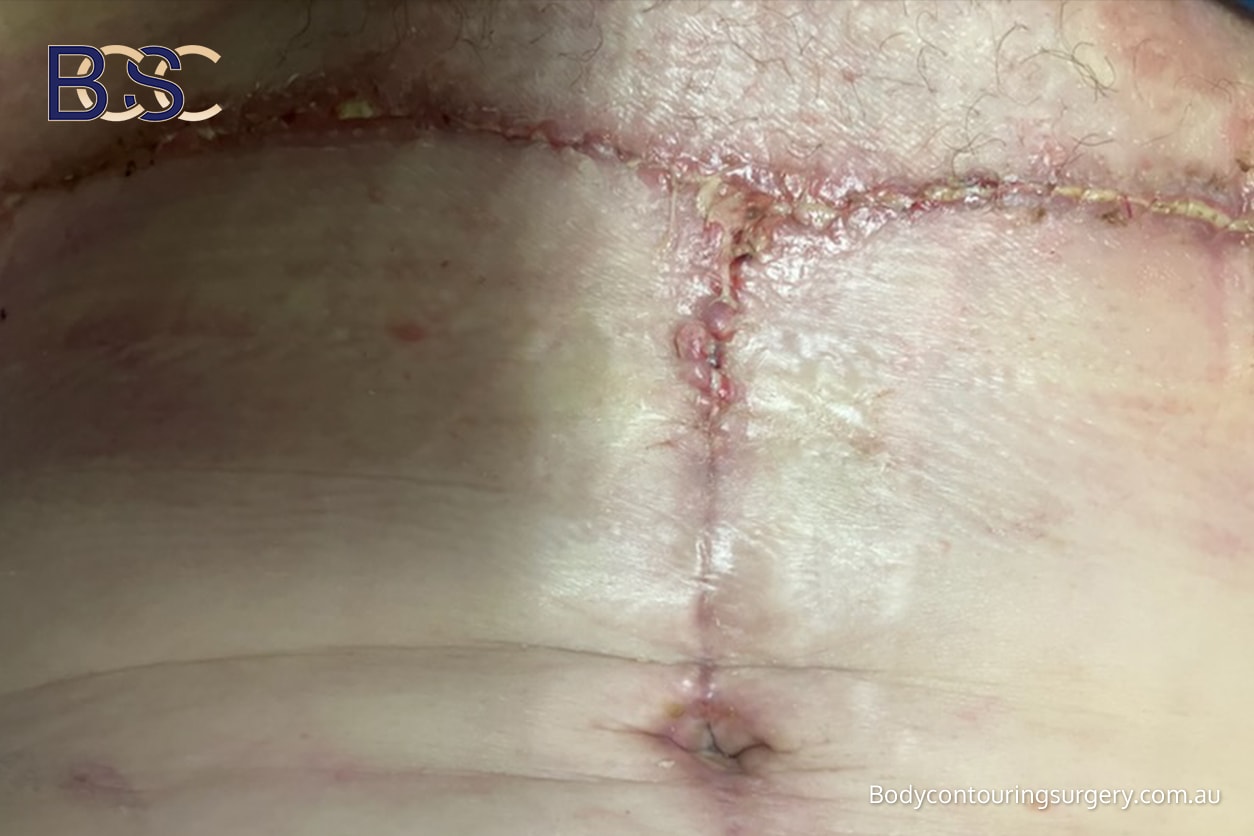
Minor wound breakdown | Body contouring surgery clinic
Because dual-vector abdominoplasty involves more extensive incisions than a standard tummy tuck (abdominoplasty), scar management forms an important part of follow-up care. This may include silicone-based products and sun protection strategies discussed during clinic visits.
Scars continue to mature for 12 to 18 months.
Nutrition and recovery support

Healthy diet choices | Body contouring surgery clinic
Adequate nutrition supports healing and recovery. Patients are encouraged to maintain healthy eating habits, consume sufficient protein, and keep their weight stable. Smoking and nicotine exposure should be avoided, as they impair wound healing.
Psychological aspects of recovery
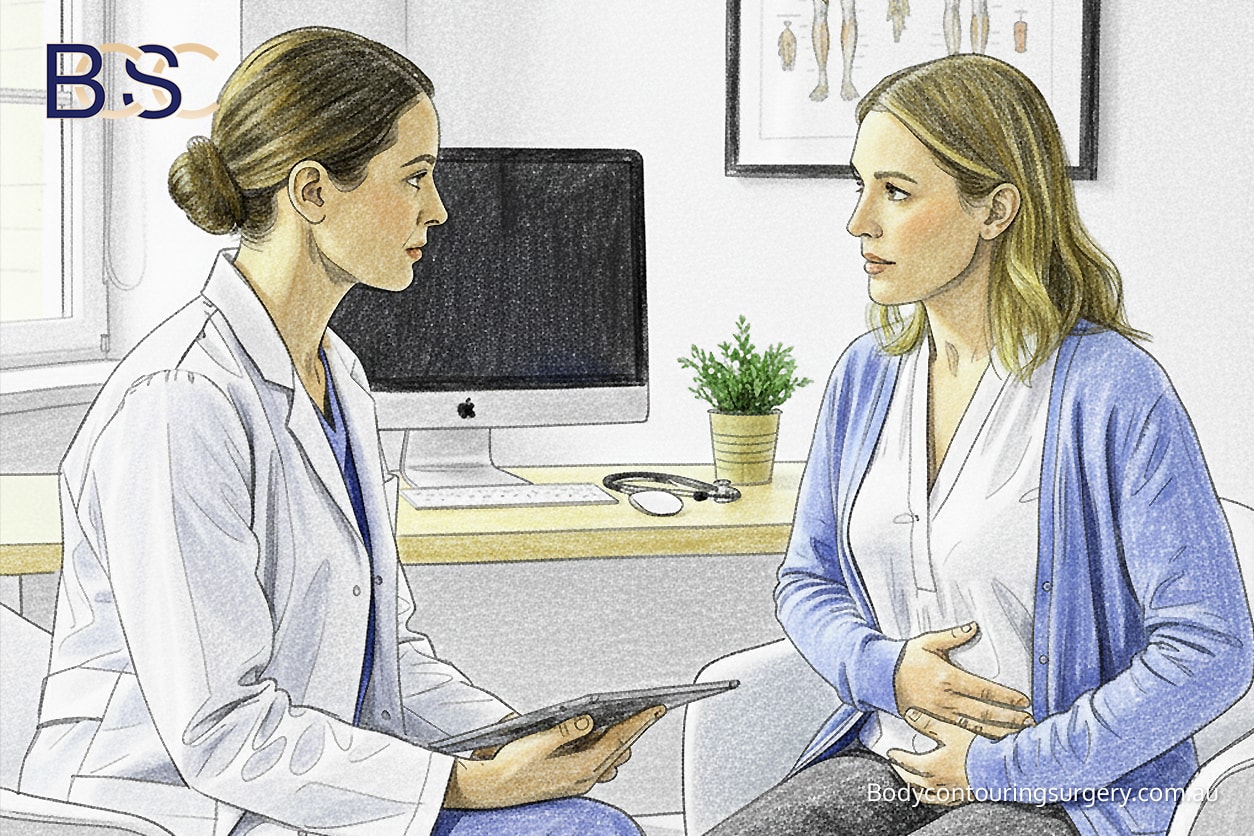
Consultation
Recovery after abdominoplasty surgery can be physically and emotionally challenging. Tiredness, swelling, and temporary dependence on others are common, particularly during the early weeks. Understanding that recovery is progressive can help patients maintain realistic expectations.
The first two weeks after surgery

Recovering at home | Body contouring surgery clinic
The first two weeks following surgery are often the most demanding phase of recovery. During this time, patients commonly require assistance at home and attend frequent clinic reviews.
Early follow-up focuses on wound care, dressing changes, and monitoring overall healing. After this initial period, many patients begin to notice steady increase in comfort, movement, and independence.
When to seek medical review
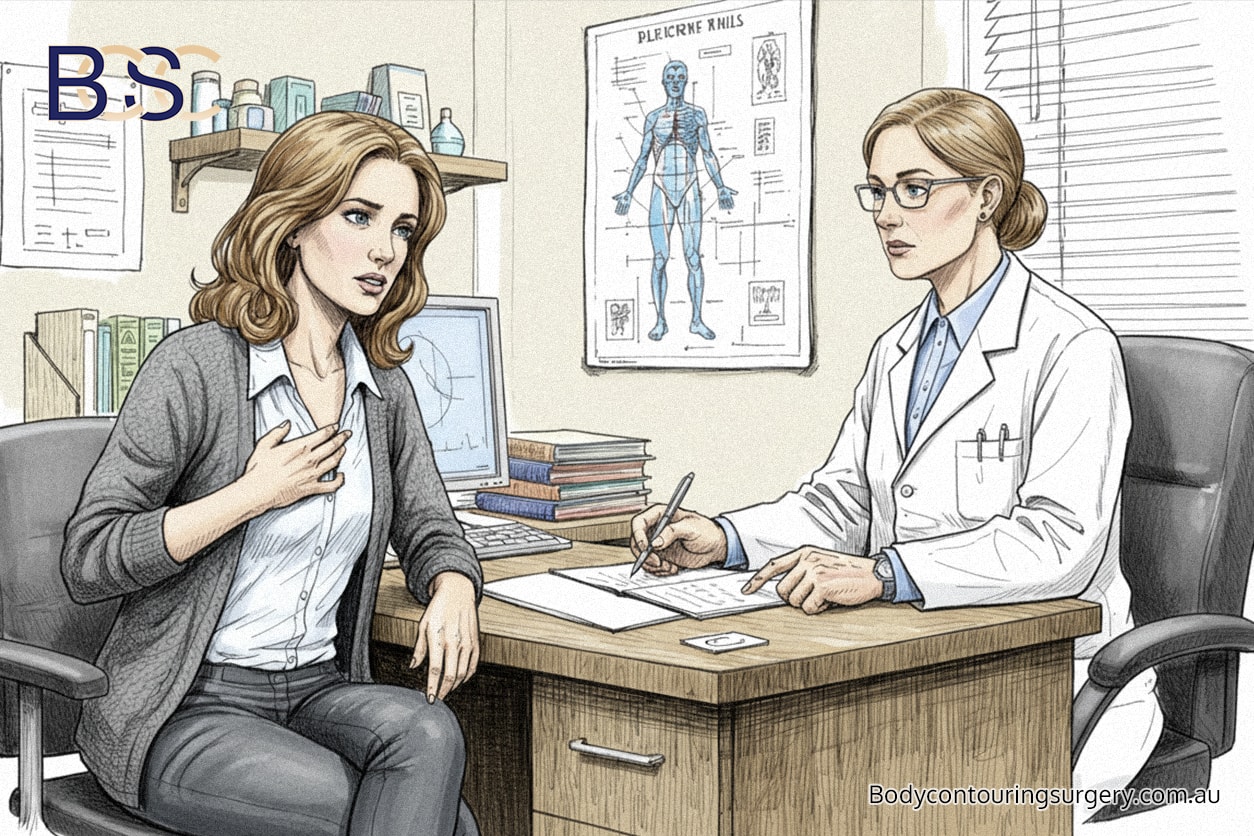
Chest pain after surgery | Body contouring surgery clinic
Patients should seek medical attention if they experience increasing pain, signs of infection, shortness of breath, leg swelling, or wound separation.
Long-term recovery and outcomes
Recovery continues for many months following dual-vector abdominoplasty. Although many patients feel substantially recovered by around three months, it can take up to a year to feel fully recovered.
Final results continue to evolve as swelling resolves and scars mature. Outcomes vary between individuals.

Location of practice: 30 Belmore Rd, Lorn, NSW 2320
Area of interest:
Body contouring surgery post pregnancy and post-weight loss, including Abdominoplasty, Mastopexy, Breast augmentation (Augmentation mammoplasty), Brachioplasty and Thighplasty.