Recovering from a circumferential hybrid abdominoplasty is a gradual and structured process that requires time, planning, and appropriate post-operative support. This procedure combines a Fleur-de-Lis abdominoplasty with a circumferential abdominoplasty (belt lipectomy), making it one of the more extensive forms of body lift surgery performed within modern body contouring practice.
At Body Contouring Surgery Clinic (BCSC), circumferential hybrid abdominoplasty is most commonly considered for patients who have experienced significant weight loss, massive weight loss following bariatric surgery, or long-standing changes to the abdominal wall and skin after pregnancy. In these situations, excess skin, redundant skin, and weakened abdominal muscles often extend beyond the lower abdomen alone, requiring a more comprehensive surgical approach and, as a result, a more involved recovery period than a standard tummy tuck (abdominoplasty).
What Is a Circumferential Hybrid Abdominoplasty?
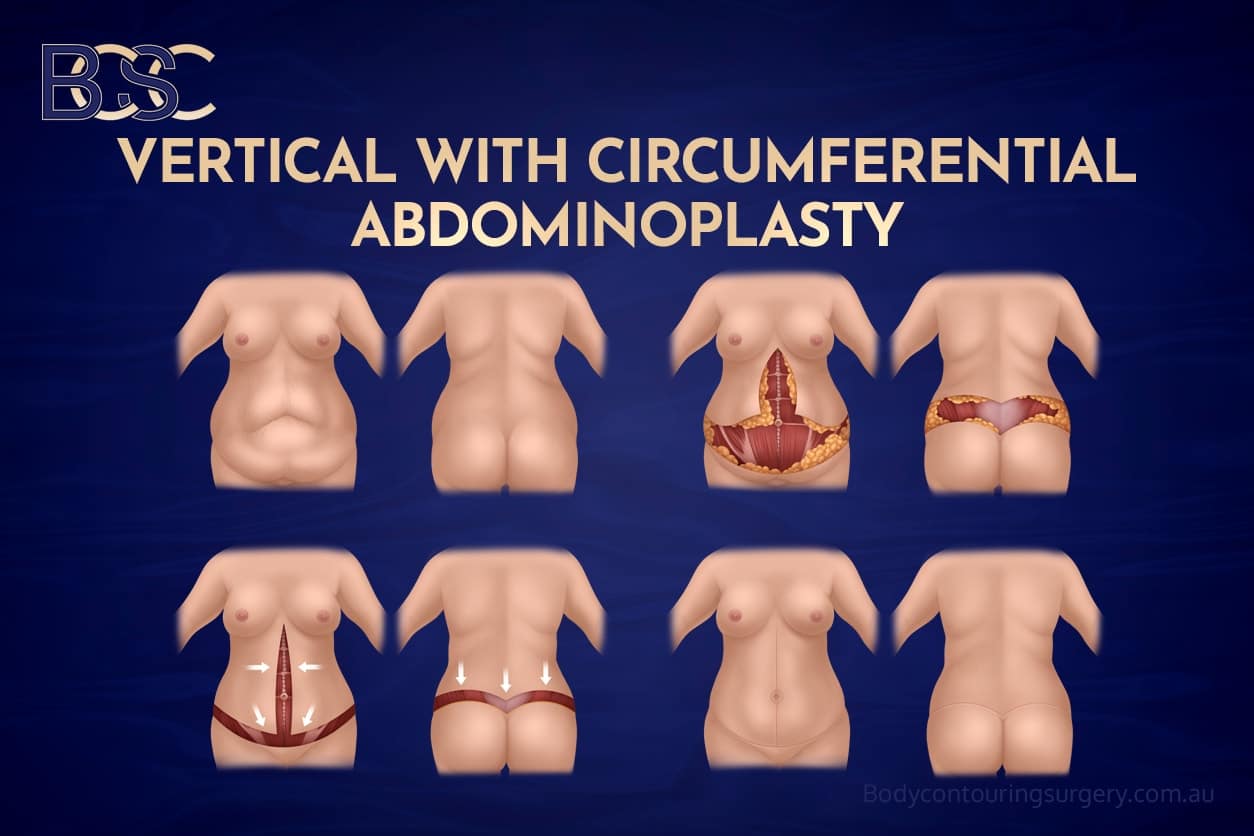
A circumferential hybrid abdominoplasty is a form of body lift (belt lipectomy) surgery designed to treat excess skin and fat around the entire waistline while also correcting both vertical and horizontal skin excess on the front of the abdomen.
This procedure combines two established abdominoplasty techniques:
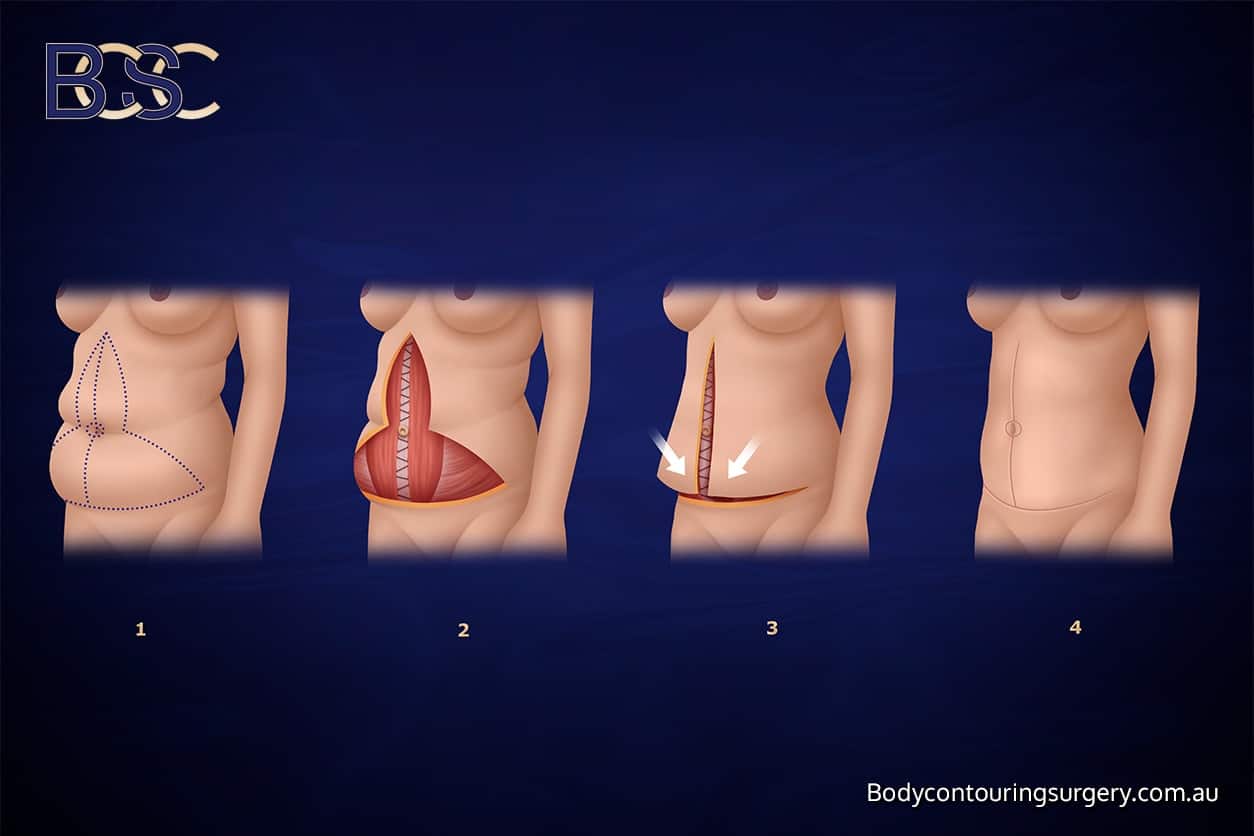
Fleur-de-Lis abdominoplasty – removes excess skin from the anterior abdomen using both vertical and horizontal excisions. This approach is particularly relevant after significant weight loss, where reduced skin elasticity means a standard tummy tuck (abdominoplasty) may not adequately treat loose skin above and below the belly button.
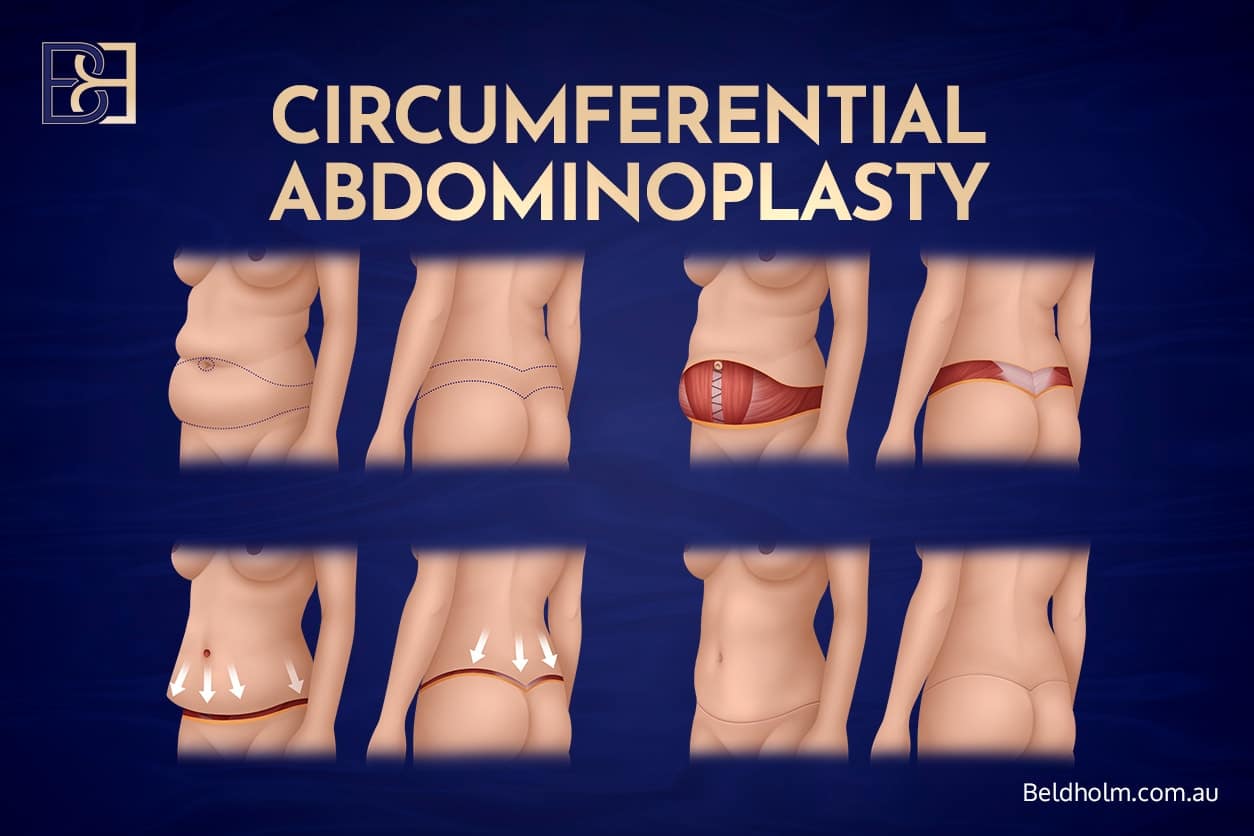
Circumferential abdominoplasty (belt lipectomy) – removes excess skin and fat from the lower abdomen, flanks, lower back, and upper buttock region by extending the incision around the entire waistline.
By combining these techniques, the circumferential hybrid abdominoplasty functions as a comprehensive lower body lift (belt lipectomy) procedure. It differs substantially from a standard tummy tuck (abdominoplasty), which focus primarily on the lower abdomen and does not treat circumferential excess skin.
Who Typically Requires a More Complex Recovery?
Patients considered for circumferential hybrid abdominoplasty often present with more
advanced body contouring concerns, which directly influence the recovery process. These may include:
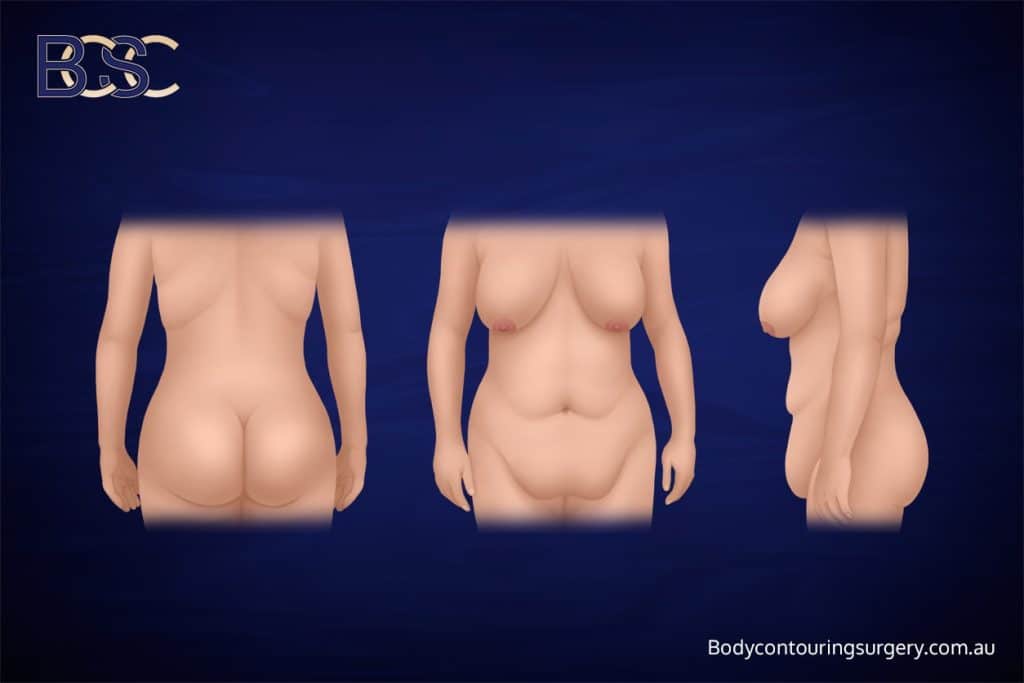
- A history of significant weight loss or massive weight loss
- Loose skin and redundant skin affecting multiple body areas
- Stretch marks extending above and below the belly button
- Muscle separation (diastasis recti) or weakened abdominal muscles
- Reduced skin elasticity due to weight loss or prolonged skin stretch
Because multiple regions of the lower body are treated in a single surgical procedure, recovery is longer and requires careful planning, particularly during the first few weeks after surgery.
Why Recovery Is More Involved Than a Standard Tummy Tuck (abdominoplasty)
Recovery following a circumferential body lift (belt lipectomy) is more involved than recovery from tummy tuck (abdominoplasty) surgery alone. This is related to several factors:
- Longer incisions extending around the entire waistline
- Larger wound surfaces and more extensive skin and fat dissection
- Muscle repair of the abdominal wall in many patients
- Increased demands on posture, mobility, and wound care
As a result, patients should expect a longer recovery period and a more gradual return to normal activities compared with a standard abdominoplasty procedure.
The Early Recovery Period: The First Few Weeks

The early recovery period following circumferential hybrid abdominoplasty is focused on wound healing, swelling management, and mobilisation. This phase is often the most physically demanding part of the recovery process.
Common early recovery experiences
- Swelling across the abdomen, flanks, lower back, and hips
- Tightness related to skin removal and muscle repair
- Difficulty standing fully upright during the first one to two weeks
- Fatigue and reduced stamina
- A temporary need for assistance with daily activities such as dressing, showering, and household tasks
Short, frequent walks are usually encouraged to support circulation, while heavy lifting and sudden movements are avoided.
Wound Care and PICO Dressings
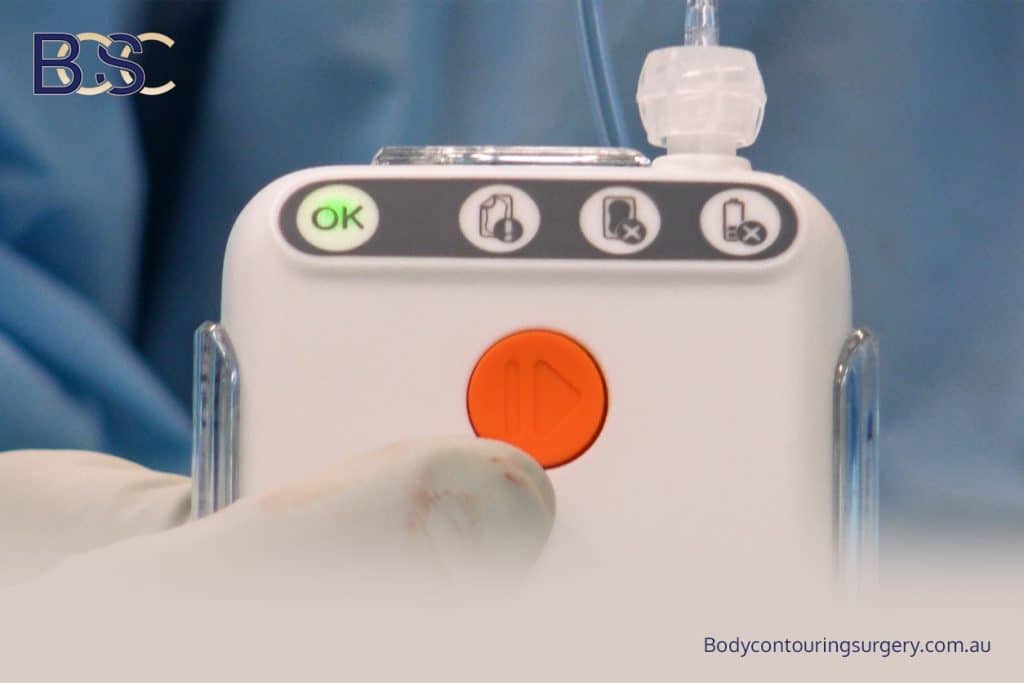
Following circumferential hybrid abdominoplasty, careful wound management is essential due to the length and location of the incisions. Many surgeons use negative pressure wound therapy, such as PICO dressings, during the early post-operative period.
The role of PICO dressings
PICO dressings may be used to:
- Support wound edge approximation along long incision lines
- Reduce fluid accumulation beneath the skin
- Protect surgical wounds during the early stages of healing
Typical dressing timeline
- PICO dressings are applied immediately after surgery
- Dressings commonly remain in place for approximately 7 days
- After removal, incision lines are supported with adhesive tape dressings
Wound checks during the first two weeks are an important part of post-operative care, as early identification of wound healing concerns allows timely management.
LED Light Therapy as an Adjunct to Recovery
Some clinics incorporate LED light therapy into early post-operative care following body lift (belt lipectomy) surgery. LED light therapy is used as an adjunct and may be associated with supporting skin health and managing inflammation.
It is important to understand that LED light therapy does not replace medical wound care, surgical follow-up, or standard post-operative management. It may form part of a broader, closely monitored recovery program depending on individual patient needs.
Compression Garments After Circumferential Hybrid Abdominoplasty
Book Your Consultation at Body Contouring Surgery Clinic in Newcastle Today
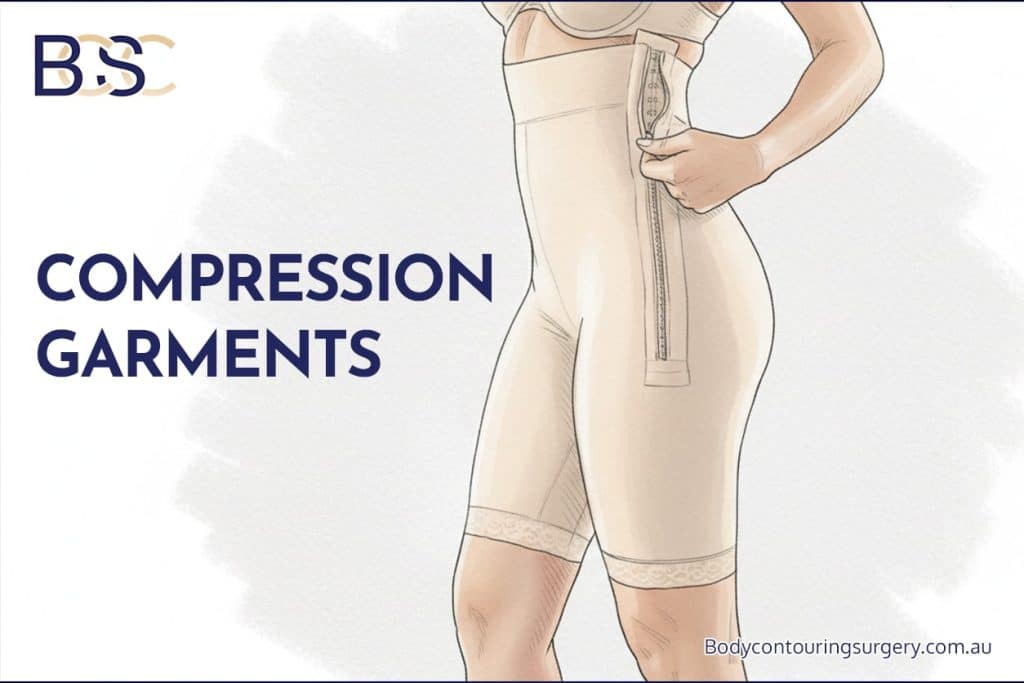
Book Online NowCompression garments are commonly recommended following circumferential hybrid abdominoplasty and play an important role during recovery.
General compression garment guidance
- Compression garments are usually worn day and night for the first 4 weeks, followed by half time for another 2 weeks unless otherwise advised
- Garments are removed briefly for showering and dressing changes
- Compression helps manage swelling and provides support to healing tissues
Garment fit is reviewed as swelling changes to avoid excessive pressure or discomfort.
Recovery Timeline: What to Expect Over Time
Week 1
- Swelling and discomfort are typically most pronounced
- Mobility is limited and posture is often flexed
- Short, assisted walks are encouraged
- Heavy lifting and strenuous activity are avoided
Weeks 2–3
- Gradual increase in mobility and posture
- Dressing changes continue as required
- Swelling begins to slowly reduce
- Surgical drains, if used, are usually removed during this period
Weeks 4–6
- Increased comfort with standing and walking
- Compression garments continue to be worn
- Light household activities may be resumed
- Exercise remains restricted
Weeks 6–12
- Gradual return to normal daily activities
- Exercise is reintroduced progressively with surgical clearance
- Scar maturation continues
Beyond 3 months
- Ongoing softening and maturation of scars
- Gradual changes in comfort and mobility
- Changes in abdominal contour may continue for up to 12–18 months
Muscle Repair (diastasis recti) and Abdominal Wall Healing
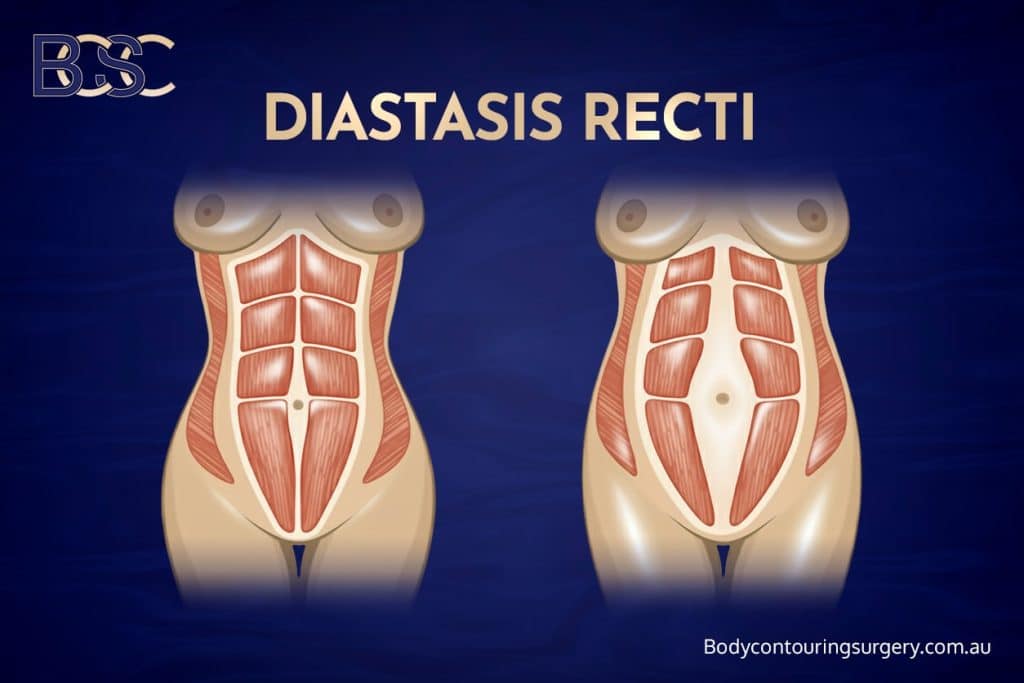
Many patients undergoing circumferential hybrid abdominoplasty also require muscle repair due to muscle separation or weakened abdominal muscles. This component of surgery influences both early recovery and activity restrictions.
- Muscle repair contributes to tightness during the early recovery phase
- The abdominal wall heals progressively over several weeks
- Twisting movements, heavy lifting, and intense core activity are avoided during early healing
Most patients are advised to avoid significant abdominal strain for 8 to 12 weeks, allowing the muscle repair adequate time to heal.
Sleeping Positions During Recovery

Sleeping comfortably can be challenging during the early recovery period.
Patients are commonly advised to:
- Sleep on their back initially
- Use pillows under the knees and upper body to reduce tension across the abdomen
- Avoid side or stomach sleeping during the first few weeks
Sleep quality typically increases gradually as swelling and tightness reduce.
Follow-Up and Ongoing Care
Regular follow-up is an important part of recovery following circumferential hybrid abdominoplasty. Early reviews focus on wound healing, swelling, and mobility, while later appointments monitor scar maturation and long-term recovery.
Follow-up schedules vary depending on individual circumstances, surgical technique, and clinic protocols.
Long-Term Recovery and Lifestyle Considerations
Long-term recovery following body lift surgery is influenced by several factors, including:
- Maintaining a stable weight
- Following a healthy diet
- Gradually increasing activity levels as advised
- Attending scheduled follow-up appointments
- Ongoing scar management
Future weight fluctuations may affect remaining skin and long-term surgical outcomes.
Risks and Important Considerations

Circumferential hybrid abdominoplasty is a major reconstructive surgical procedure and carries risks, including:
- Wound healing complications
- Infection
- Seroma formation
- Scarring issues, including hypertrophic or keloid scars
- Prolonged swelling or discomfort
These risks are discussed in detail during consultation. Recovery should require adequate time, support, and planning.
Is This Recovery Right for You?
Circumferential hybrid abdominoplasty may be considered for patients who:
- Have experienced massive or significant weight loss
- Have excess skin and fat around the entire waistline
- Have muscle separation affecting the abdominal wall
- Are at a stable weight and in good general health
An in-person consultation with a qualified Specialist General Surgeon is essential to determine whether this procedure and recovery process are appropriate for an individual patient.