Our Specialist General Surgeons (FRACS) provide reconstructive and body contouring surgery for patients after significant or massive weight loss. This educational article reviews current evidence
A Fleur-de-Lis abdominoplasty (also known as a Fleur-de-Lis tummy tuck (abdominoplasty)) is a major surgical procedure performed to remove excess skin and tighten the underlying abdominal muscles after significant weight loss. This type of abdominoplasty surgery is a component of reconstructive surgery for patients with significant skin laxity following bariatric surgery, diet, or lifestyle changes. It can treat loose skin in both vertical and horizontal directions and may help comfort and abdominal wall function for some patients. The Fleur-de-Lis abdominoplasty differs from a traditional abdominoplasty (tummy tuck) by including both a horizontal incision and a vertical incision. This allows for
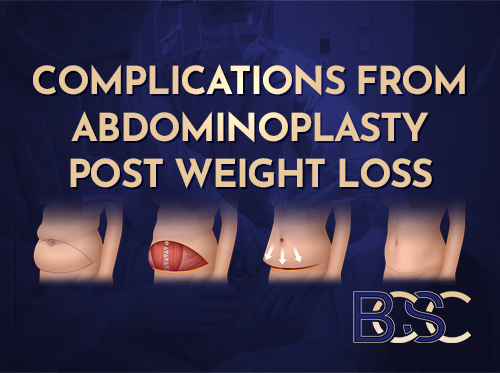
At the Body Contouring Surgery Clinic (BCSC), our team of specialist surgeons perform a wide range of body contouring surgery procedures for patients who have achieved massive weight loss. Many have lost a significant amount of body weight through bariatric surgery, gastric bypass surgery, or lifestyle changes. While achieving significant weight loss can have positive health effects, it may also result in excess skin, weakened abdominal muscles (diastasis recti), and changes in skin elasticity. These anatomical changes may lead some patients to consider abdominoplasty (tummy tuck). Understanding the potential abdominoplasty post weight loss complications is essential for patients and healthcare
For many people who have achieved significant weight loss—either through bariatric surgery such as a gastric bypass or through lifestyle change—the next stage of their journey is often managing excess skin and fat that does not contract naturally. These changes in the abdominal region can affect mobility, hygiene, and comfort. Some individuals experience rashes, skin irritation, or difficulty finding clothes that fit well after weight loss. An abdominoplasty (tummy tuck) can help with these physical concerns through a carefully planned surgical procedure. An abdominoplasty surgery is performed to remove excess skin and excess fat from the abdominal area, while also
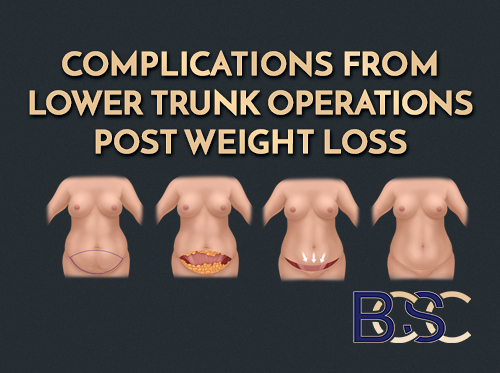
Lower torso and lower trunk procedures are a central part of body contouring surgery after major weight loss. Operations may include abdominoplasty (commonly known as tummy tuck), extended abdominoplasty, Fleur-de-Lis abdominoplasty, and circumferential lipectomy (also known as a lower body lift or belt lipectomy). For many post bariatric patients, these operations are carried out to remove excess skin and redundant skin that remains after significant or massive weight loss. This article provides an overview of potential complications from lower trunk operations post weight loss. Understanding possible surgical complications helps patients prepare for consultations and set realistic expectations. Why Complications Can
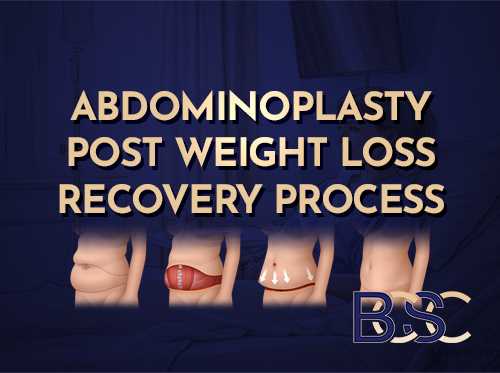
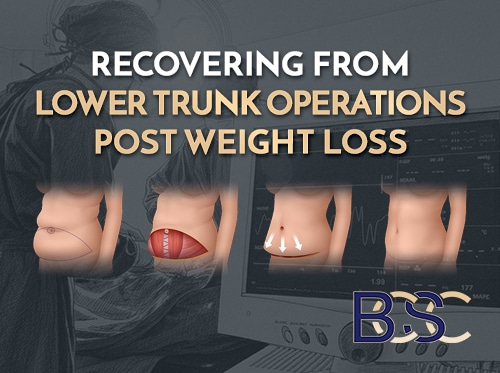
Recovering from lower trunk operations post weight loss is a significant stage in the journey of massive weight loss patients. Many individuals who have experienced significant weight loss – whether through bariatric surgery (weight loss surgery), lifestyle changes, or medically supervised weight-loss medications – find themselves with excess skin and fat that does not retract on its own. This excess skin can lead to rashes, hygiene difficulties, mobility issues, and reduced quality of life due to physical limitations. At Body Contouring Surgery Clinic (BCSC), our team of specialist surgeons performs body contouring surgery and belt lipectomy (body lift) surgery for
Abdominoplasty is a surgical procedure designed to target multiple concerns resulting from significant weight loss after bariatric surgery or pregnancy. Because each patient is unique, abdominoplasty can be tailored to suit the concerns, needs, and goals, as well as the medical history of each patient. Examples Abdominoplasty procedure will remove excess fat and skin after pregnancy | Dr Beldholm Disclaimer: Operation performed by Dr Bernard Beldholm. Adult content, surgery has risks; individual results vary, seek 2nd opinion. Please see the full disclaimer. Concerns and Solutions Types of Abdominoplasty Surgeries There are several types of abdominoplasty surgeries effective for post weight loss
Both the fleur-de-lis and traditional abdominoplasty procedures are designed to treat excess skin, and they share some significant similarities. However, there are key differences between them. The fleur-de-lis abdominoplasty is a more extensive abdominoplasty procedure that treats loose skin both horizontally and vertically. In contrast, traditional abdominoplasty surgery primarily focuses on vertical loose skin only. Patients considering abdominoplasty (tummy tuck) may have challenges choosing the right procedure that meets their goals. Both traditional abdominoplasty and fleur-de-lis abdominoplasty treat excess abdominal skin and fatty tissue. They share numerous similarities but still have several differences that distinguish them apart, especially when it
Treating loose skin on the abdomen and back following bariatric surgery involves non-invasive approaches like maintaining a balanced diet, exercising, and topical treatments; or surgical procedures like an abdominoplasty. Abdominal and back skin can lead to health and psychological complications. Therefore, most post-bariatric patients will seek ways to get rid of the excessive loose skin on their back and abdomen. Treating loose skin resulting from bariatric surgery involves non-surgical or surgical approaches. Disclaimer: Operation performed by Dr Bernard Beldholm. Adult content, surgery has risks; individual results vary, seek 2nd opinion. Please see the full disclaimer. Factors Affecting Skin Tightening After Bariatric
The period following surgery is crucial for proper healing, maintaining surgical results, and overall health. Nutrition and exercise are vital components of this recovery process after abdominoplasty (tummy tuck) as they support tissue healing, prevent complications, aid recovery, and promote long-term well-being. This article explores the importance of nutrition and exercise in post-abdominoplasty care, offering advice and tips to help individuals effectively navigate their recovery and achieve lasting benefits. Pre-Operative Role of Exercise and Nutrition Before Abdominoplasty Surgery Before getting abdominoplasty surgery, it is essential to concentrate on exercise and a proper tummy tuck (abdominoplasty) diet, as it can significantly