background

Thighplasty (Inner Thigh Lift) post weight loss

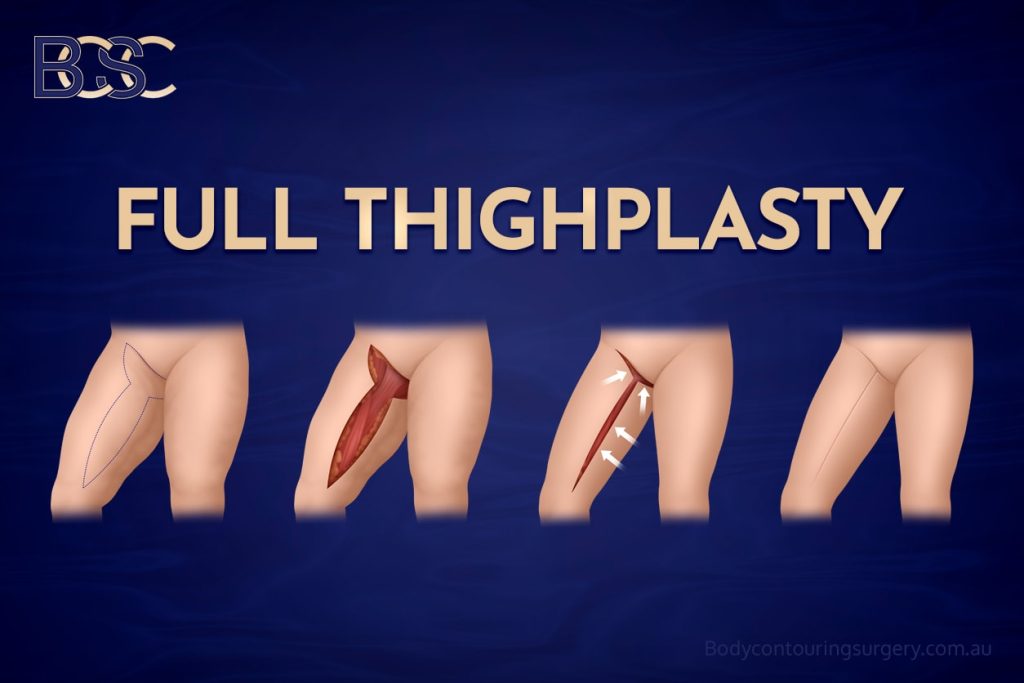
Full Thighplasty

Thighplasty, commonly known as a thigh lift, is a reconstructive body contouring surgery designed to manage excess skin and, in selected cases, excess skin and fat of the thighs following significant weight loss. This thigh lift (thighplasty) procedure is most often performed for post‑weight‑loss patients who have reached a stable weight but are left with loose, heavy skin affecting the inner thigh and surrounding areas.

A thigh lift (thighplasty) is not a minor cosmetic procedure. Thigh lift (thighplasty) is undertaken to treat functional concerns caused by loose or redundant skin, including skin irritation, difficulty with hygiene, friction where the thighs meet, and limitations with walking or physical activity. Because thighplasty involves extensive incisions and soft‑tissue surgery, patients are carefully counselled on scars, recovery, and potential risks, and encouraged to maintain realistic expectations.

Why the Thighs Commonly Develop Excess Skin After Weight Loss

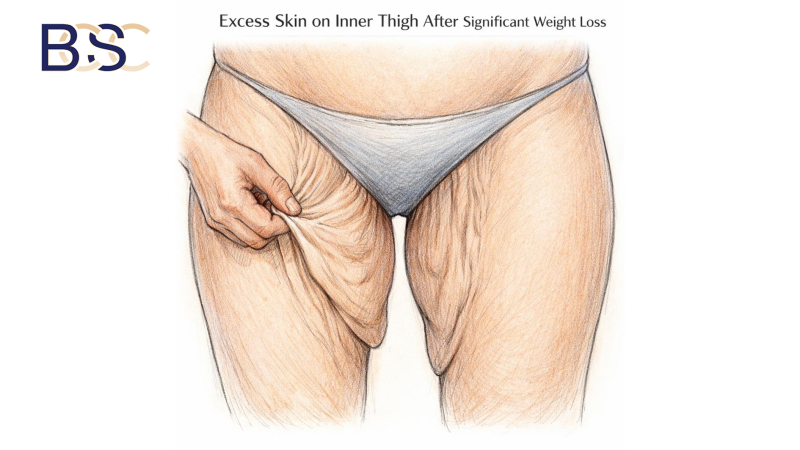
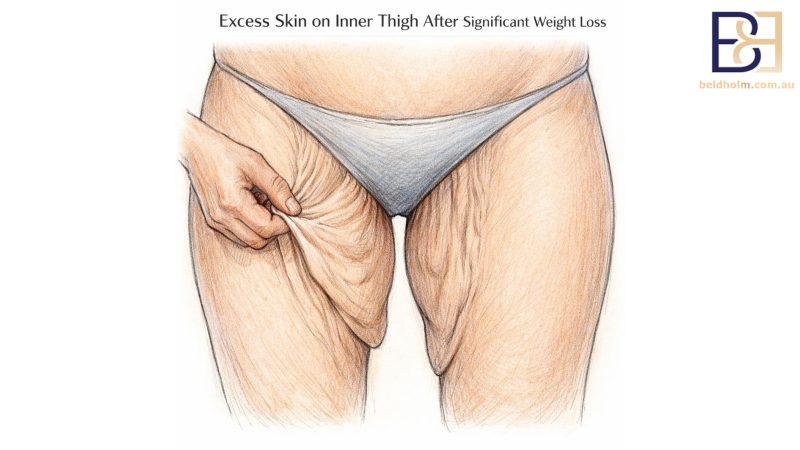
Excess skin on thigh post weight loss Body Contouring Surgery Clinic

The thighs have a large skin surface area in the lower body and are particularly prone to skin laxity after weight loss. During weight gain, the skin stretches to accommodate increased fat volume. After weight loss, particularly after bariatric surgery, the underlying fat reduces, but skin elasticity is often permanently compromised.

As a result, many patients experience:

  • Excess skin along the inner thigh and medial thigh
  • Circumferential skin excess around the upper thighs
  • Skin folds extending toward the knee
  • Areas of moisture, friction, and skin irritation

These issues frequently persist despite long‑term weight stability and a healthy diet. For many patients, thigh lift (thighplasty) surgery is part of a broader approach to post‑weight‑loss body-contouring procedures.

Understanding Medial Thigh Skin Laxity and Surgical Planning

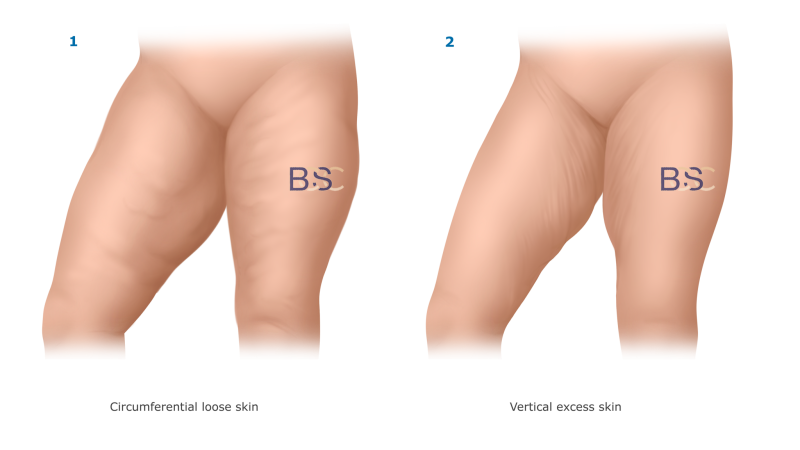
A critical concept in medial thigh lift (thighplasty) surgery is the recognition that excess skin develops in multiple directions. In most post‑weight‑loss patients, loose skin affects the thighs both circumferentially and vertically. Failure to treat both components often leads to incomplete correction.

Pattern of excess tissue thighs

Circumferential Skin Excess

Circumferential excess skin increases the girth of the thighs and is best managed with a vertical incision along the medial thigh. This approach reduces thigh circumference but does not adequately lift hanging skin in the groin area.

Vertical (Hanging) Skin Excess

Vertical (Hanging) Skin Excess

Vertical excess skin typically presents as hanging skin in the upper inner thigh and groin crease. This pattern requires a horizontal incision within the groin crease to elevate and support the skin.

Most patients who have experienced significant weight loss have both patterns of skin excess. For this reason, the procedure varies depending on anatomy, and a single‑direction thigh lift (thighplasty) often leaves residual loose skin.

Preoperative Consultation and Assessment

Preoperative Consultation and Assessment

Thighplasty is a major surgical procedure and requires careful preoperative consultation. Assessment focuses on:

  • Distribution of skin excess along the inner part of the thigh
  • Degree of circumferential and vertical skin laxity
  • Presence of excess fat
  • Skin elasticity and skin quality
  • Current weight and confirmation of stable weight
  • Relevant medical history and medical conditions

For remote patients, an initial telehealth review may be conducted to discuss weight-loss history and suitability. An in‑person consultation is required prior to surgery to allow physical examination, assessment of incision sites, and final surgical planning.

A second consultation is always done for more complex thigh lift (thighplasty) surgery to ensure patients have a clear understanding of scar placement, the expected recovery period, and the requirements of postoperative care.

Role of Liposuction (suction-assisted lipectomy) in Thigh Lift (thighplasty) Surgery

Role of Liposuction (suction-assisted lipectomy)

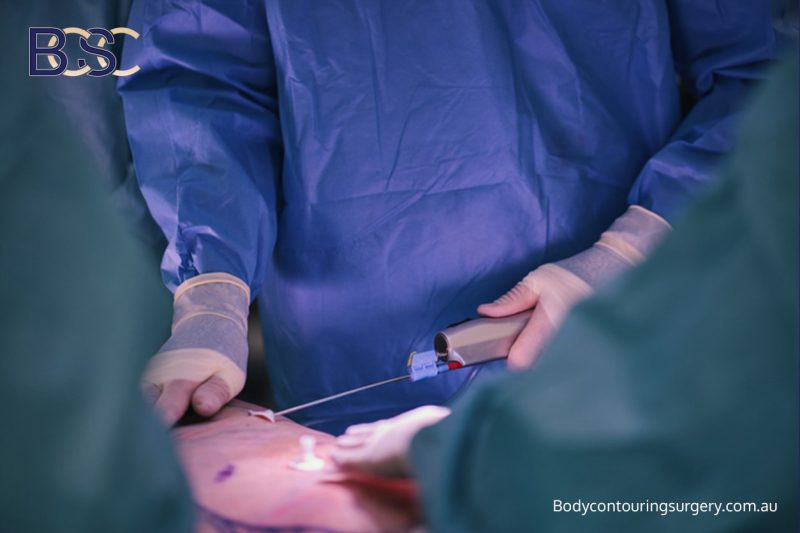
In many patients, thighplasty is combined with suction‑assisted or ultrasound‑assisted liposuction. This combination allows surgeons to manage excess skin and fat.

When liposuction (suction-assisted lipectomy) is appropriately used, it may:

  • Reduce fat volume beneath the skin
  • Minimise swelling and fluid accumulation
  • Reduce tension on the surgical site
  • Support better wound healing

Studies show lower complication rates when medial thigh lift (thighplasty) surgery is combined with liposuction (suction-assisted lipectomy) compared with excision alone [1,2].

Thigh Lift (thighplasty) Surgery Options

Several thigh lift (thighplasty) techniques are used depending on the pattern of skin excess.

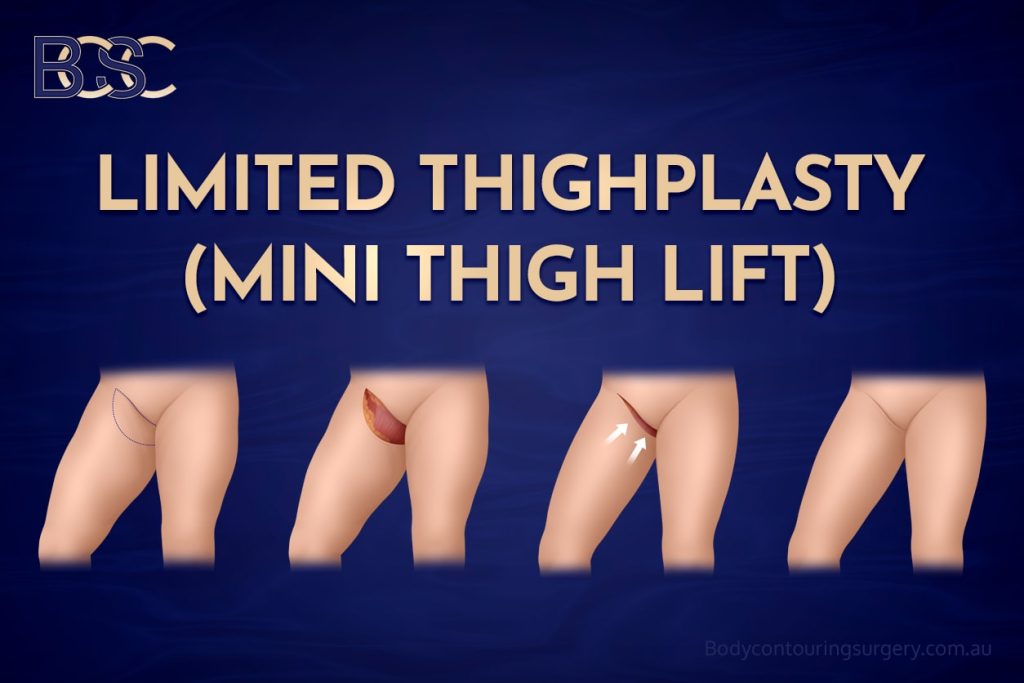
Limited Thighplasty (Mini Thigh Lift)

Limited Thighplasty (Mini Thigh Lift)

Limited thighplasty uses a small horizontal incision in the groin crease and focuses on vertical hanging skin in the upper inner thigh. This option is suitable only for a small subset of patients with minimal skin excess.

Because it does not treat circumferential laxity, it is rarely appropriate after significant weight loss.

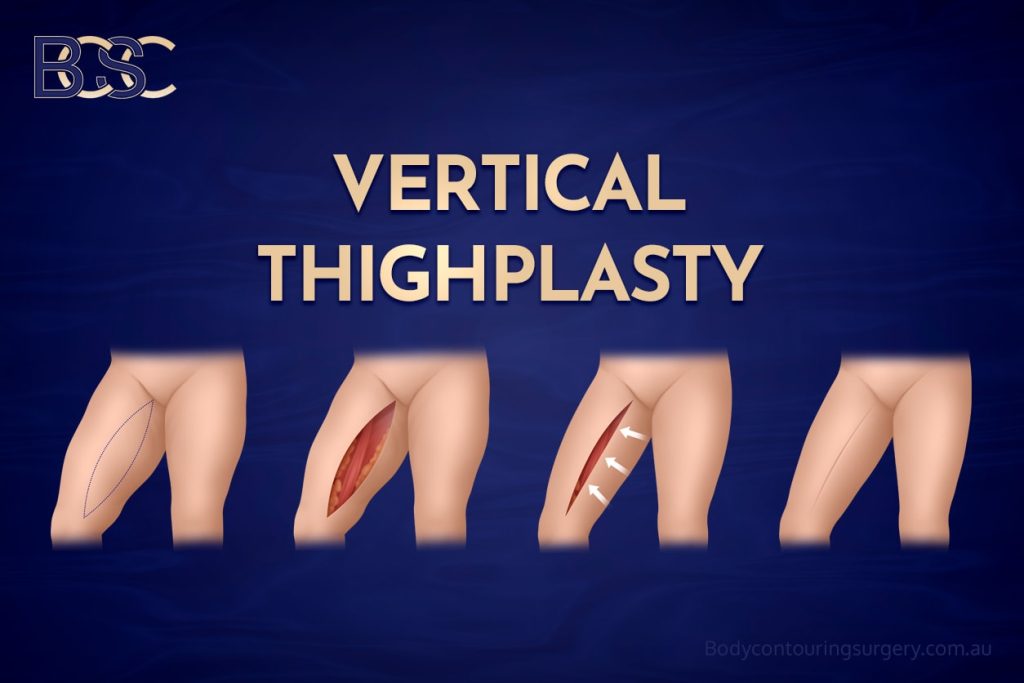
Vertical Thighplasty

Vertical thighplasty uses a longitudinal incision from the groin toward the knee to treat circumferential skin excess. While it reduces thigh girth, it often leaves residual hanging skin in the upper inner thigh.

Reported complication rates for vertical medial thigh lift range from 45–68%, most commonly related to poor wound healing and seroma [3,4].

Vertical Thighplasty
Limited Thighplasty (Mini Thigh Lift)

Full Thigh Lift (Combined Medial Thighplasty)

A full thigh lift (thighplasty) combines vertical and horizontal excision and is the most comprehensive medial thigh lift (thighplasty) technique. It treats both circumferential and vertical skin excess and removes a significant amount of redundant skin.

The main disadvantage is a high risk of complications. Patients should expect:

  • Prolonged wound care
  • Regular follow‑up appointments
  • Dressing changes for six weeks or longer
  • Possible secondary procedures if poor wound healing occurs

Despite these risks, this approach is often required for patients with severe post‑weight‑loss skin laxity.

J Thigh Lift (thighplasty)

The J thigh lift (thighplasty) modifies the horizontal incision to reduce tension in the groin area. It may be appropriate for selected patients, but it does not achieve the same degree of correction as a full thigh lift (thighplasty).

Recovery Period and Postoperative Care

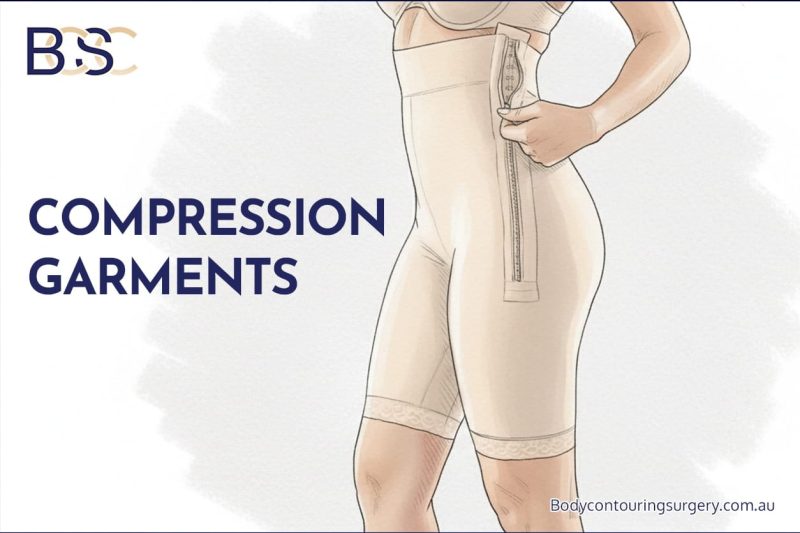
Compression garments

Recovery after thigh lift (thighplasty) surgery varies depending on the extent of the procedure. Most patients will:

  • Wear compression garments for several weeks
  • Avoid strenuous activities for at least six weeks
  • Experience swelling that gradually settles
  • Attend regular follow‑up appointments

Strict adherence to postoperative care and postoperative instructions provided is essential to minimise swelling and support full recovery.

Risks, Complications, and Safety Considerations

7aa66f7b-9b1e-4cd5-be49-2191eb21f316

Thighplasty has one of the highest complication rates among body contouring surgery procedures. Reported overall complication rates are 42–46% [1,3–6].

Potential complications include:

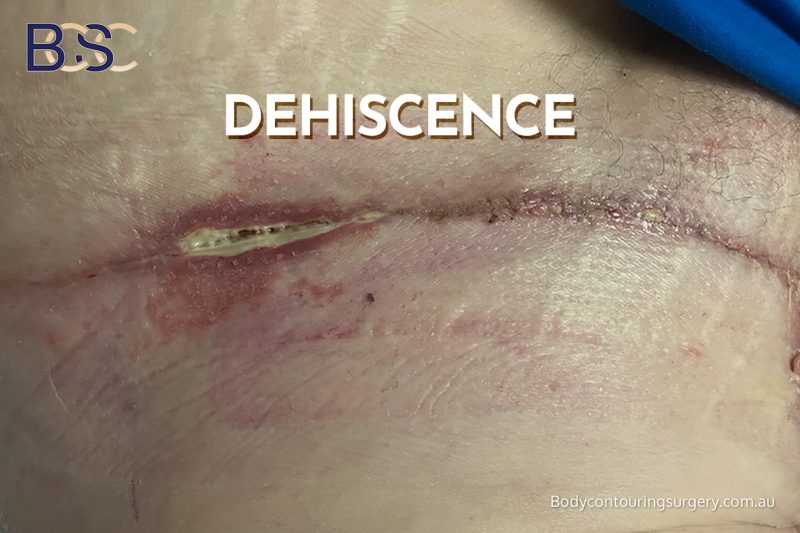
  • Wound dehiscence
  • Seroma or fluid accumulation
  • Infection
  • Haematoma
  • Altered skin sensation
  • Blood clots, including deep vein thrombosis (rare)

Most complications are manageable with conservative care; however, patients should be prepared for a prolonged recovery period.

Surgeons at Body Contouring Surgery Clinic

  1. Gusenoff JA, Coon D, Nayar H, et al. Medial thigh lift in the massive weight loss population: outcomes and complications. Plast Reconstr Surg. 2015;135(1):98–106.
  2. Capella JF, Matarasso A. Management of the post‑bariatric medial thigh deformity. Plast Reconstr Surg. 2016;137(5):1434–1446.
  3. Michaels J, et al. Vertical medial thigh contouring. Clin Plast Surg. 2019;46(1):91–103.
  4. Shermak MA, Mallalieu J, Chang D. Does thighplasty for upper thigh laxity after massive weight loss require a vertical incision? Aesthetic Surg J. 2009;29(6):513–522.
  5. Xie SM, Small K, Stark R, et al. Evolution in thighplasty techniques following massive weight loss. Aesthetic Surg J. 2017;37(10):1124–1135.
  6. Thighplasty complication rates literature summary. Body Contouring Surgery Clinic Pty Ltd; 2025.
This website contains adult content. You must be 18 years or over to read. All surgery carries risks. You should seek a second opinion before proceeding. Results vary from patient to patient. See our disclaimer.
This is default text for notification bar