Location of practice: 30 Belmore Rd, Lorn, NSW 2320
Area of interest:
Body contouring surgery post pregnancy and post-weight loss, including Abdominoplasty, Mastopexy, Breast augmentation (Augmentation mammoplasty), Brachioplasty and Thighplasty.


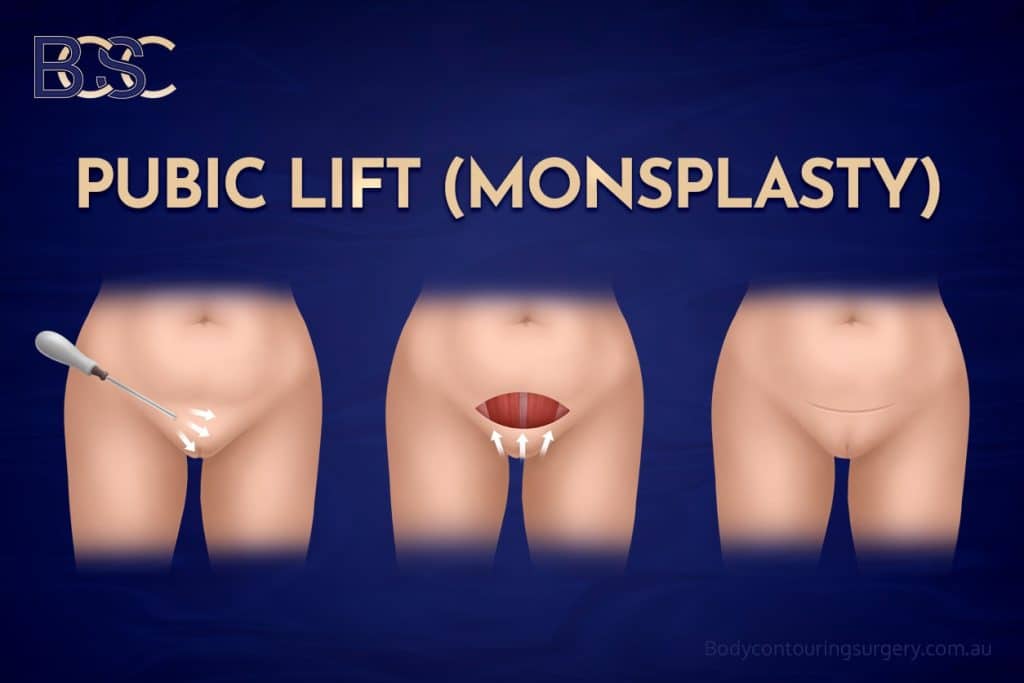
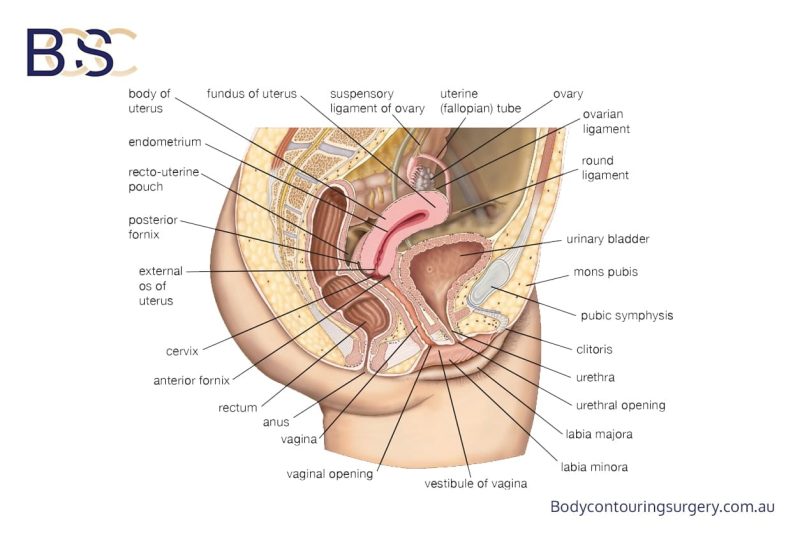
A pubic lift is the commonly used term for monsplasty, a surgical procedure that treats excess fat and excess skin of the mons pubis. The mons pubis is the fatty pad that sits over the pubic bone, forming the upper portion of the pubic region and transitioning into the lower abdomen.
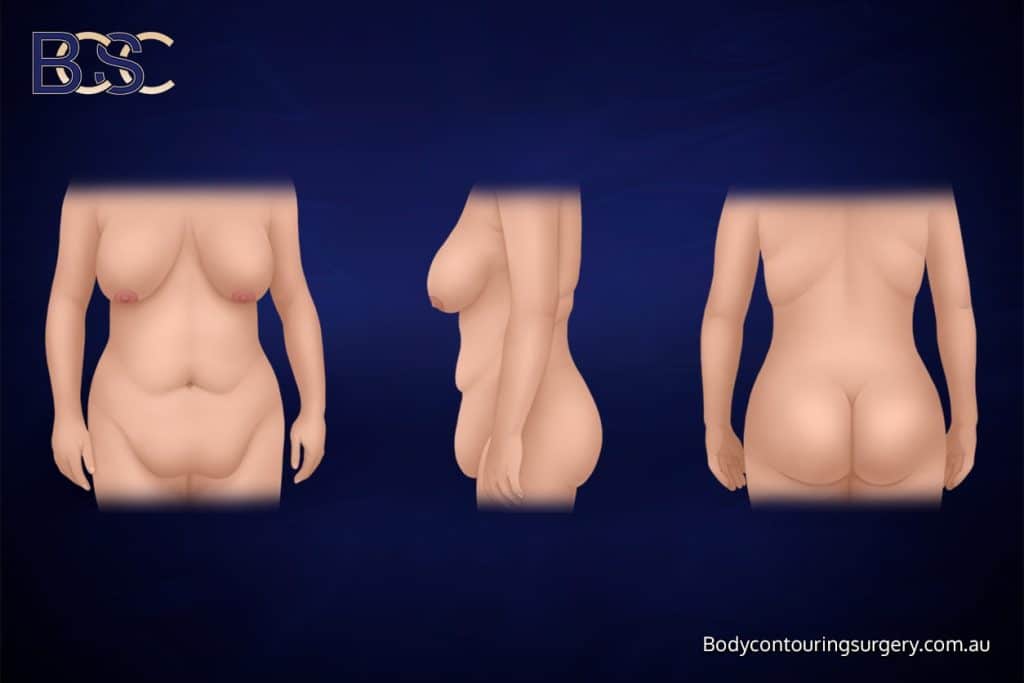
Changes to the mons pubis are frequently seen after pregnancy, massive weight loss, or periods of weight gain followed by weight loss. Patients may notice excess fat deposition, loose or extra skin, or a lowered position of the pubic mound in relation to the lower abdomen. In some cases, these changes persist despite stable weight, regular exercise, and good general health.
At Body Contouring Surgery Clinic (BCSC), monsplasty surgery is performed by Specialist General Surgeons (FRACS) as part of a broader approach to post‑weight‑loss and post‑pregnancy body contouring. The procedure may involve mons pubis liposuction (suction-assisted lipectomy), a lift (Monsplasty) of the mons pubis, or a combination of techniques, depending on individual anatomy.

Monsplasty is a general surgical procedure designed to reshape and reposition the mons pubis. It is sometimes referred to as mons pubis reduction surgery or a pubic lift. The procedure focuses on reducing excess fat, managing excess skin, and adjust the position of the pubic mound relative to the pubic bone and lower abdomen.
Depending on the individual, monsplasty may include:
While monsplasty is often described as a cosmetic procedure, it may also be considered when excess tissue causes physical discomfort, hygiene challenges, or difficulty with certain clothing.

The mons pubis is composed of skin, subcutaneous fatty tissue, and connective tissue that lies over the pubic bone. The size and position of the mons pubis vary between individuals.
After pregnancy or significant weight loss, the mons pubis may appear enlarged, elongated, or lower in position. This may be due to persistent excess adiposity, reduced skin elasticity, or both. These factors are carefully assessed when planning mons pubis reduction.

During consultation at BCSC, patients considering monsplasty surgery often report one or more of the following concerns:
The mons pubis may be particularly affected in post‑weight‑loss patients.
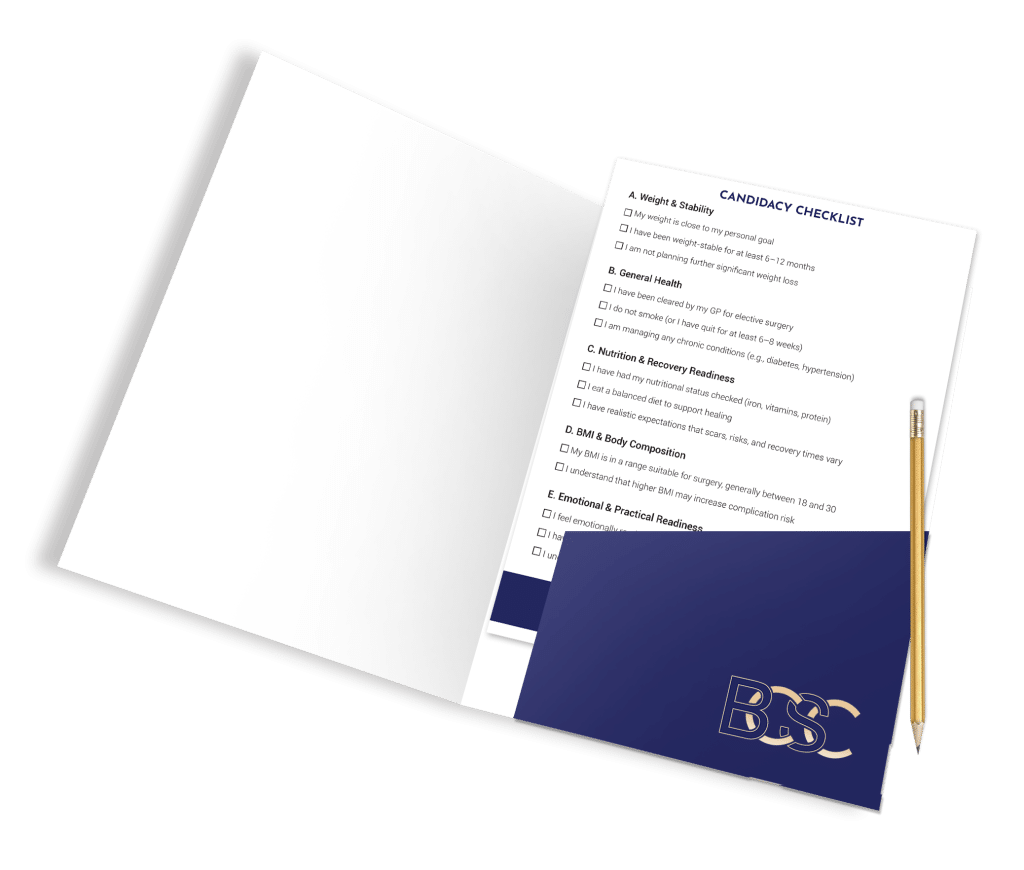
Monsplasty is not a weight‑loss treatment and is not suitable for everyone. The procedure is considered for patients who:
Suitability is determined during consultation with a Specialist General Surgeon.


Local anaesthesia may be used as part of pain management, but monsplasty is usually performed under general anaesthesia.
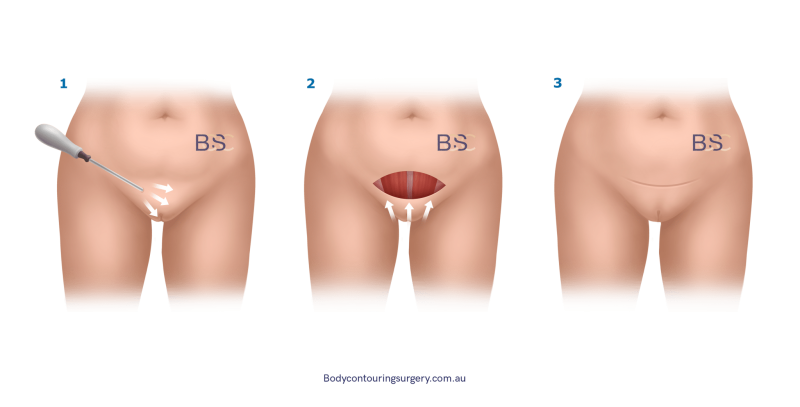
The surgical procedure performed depends on whether excess fat, excess skin, or both are present.

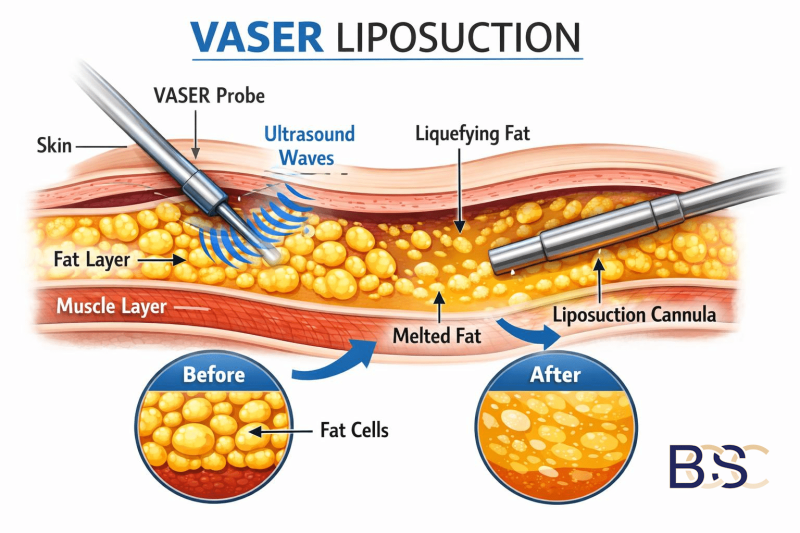
Mons pubis liposuction is commonly used when excess fat is the primary concern. This involves suction‑assisted lipectomy, often using ultrasound‑assisted technology, to reduce the volume of the fatty pad.
This technique aims to:
When skin laxity or a lowered position of the mons pubis is present, a mons pubis lift may be required. This involves:
Many patients require a combination of mons pubis liposuction and lipectomy to treat both fat and skin concerns.
Monsplasty is commonly performed in conjunction with other body-contouring procedures, particularly in patients following pregnancy or massive weight loss. These may include:
Combining procedures can treat the lower abdomen and pubic region together but may increase the overall recovery period.

A GP referral is required prior to consultation. The first consultation may be conducted in person or via telehealth for patients who live outside the local area. This appointment focuses on education, assessment, and discussion.
During the first consultation, patients can expect:
Telehealth consultations are informational only, and an in‑person assessment is required before surgery.
A second consultation is provided to allow time for reflection. This appointment focuses on:
Before surgery, patients attend a preoperative review to confirm medical clearance, review consent, and finalise hospital arrangements.

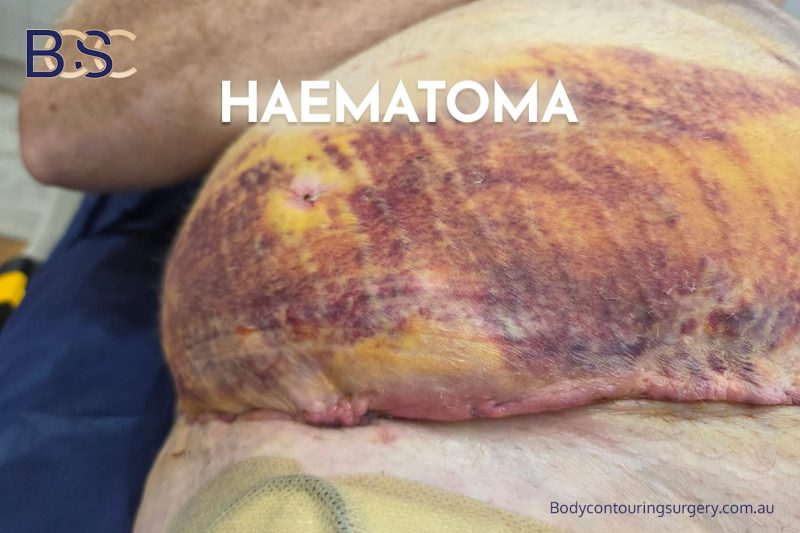
Following surgery, patients may experience swelling, bruising, and discomfort in the pubic area. Discomfort is typically managed with prescribed analgesics. Compression garments are often recommended to help reduce swelling.
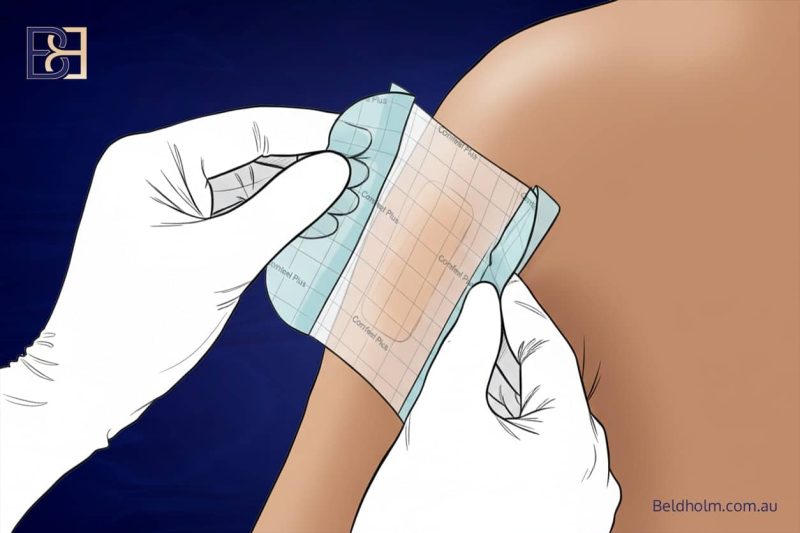
Dressings may include Comfeel or PICO dressings, depending on the incision length and the extent of surgery.

Recovery after monsplasty is generally shorter than recovery after a tummy tuck (abdominoplasty), although individual experiences vary.
Swelling can continue for several months, particularly after physical activity. This is a normal part of healing.

All surgery carries risks. Potential risks associated with monsplasty surgery include:
These potential complications are discussed during consultation. Individual outcomes vary.
The cost of monsplasty varies depending on the procedure performed, hospital and anaesthetist fees, and whether it is combined with other procedures. A personalised written quote is provided after consultation. In some cases, part of the procedure may be deemed medically necessary.
Recovery varies, but many patients return to desk‑based work within 1–2 weeks. Swelling may persist for several months.
Options include mons pubis liposuction, skin excision, or a combined mons pubis lift (lipectomy), depending on anatomy.
When performed by a qualified Specialist General Surgeon, monsplasty is considered a low‑risk procedure, but all surgery carries risks.

A pubic lift (monsplasty) is a surgical procedure that may help treat changes to the mons pubis following pregnancy or weight loss. A thorough consultation process, careful surgical planning, and structured follow‑up are essential.
Consultation with a Specialist General Surgeon is required to determine whether monsplasty (Pubic lift) is appropriate for you.