

Location of practice: 30 Belmore Rd, Lorn, NSW 2320
Area of interest:
Body contouring surgery post pregnancy and post-weight loss, including Abdominoplasty, Mastopexy, Breast augmentation (Augmentation mammoplasty), Brachioplasty and Thighplasty.


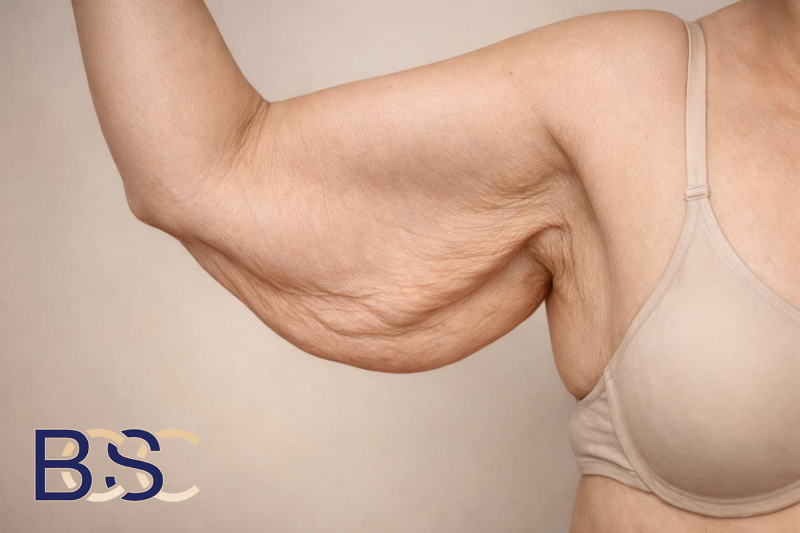
Brachioplasty, also known as an arm lift or arm lift surgery, is a plastic surgery procedure designed to treat excess skin and fat of the upper arm. At Body Contouring Surgery Clinic (BCSC), brachioplasty is most commonly considered by surgical patients following significant weight loss, massive weight loss, or age-related changes that lead to loose skin, reduced skin elasticity, or upper arm skin that does not retract with exercise or weight reduction alone.
For many surgery patients, changes in the arms are not purely cosmetic. Extra skin, excess fat, and skin laxity can cause discomfort, skin irritation, difficulty with clothing, and limitations during daily activities. Brachioplasty is one of several body contouring surgery options that may be considered once a stable weight and healthy lifestyle have been achieved.
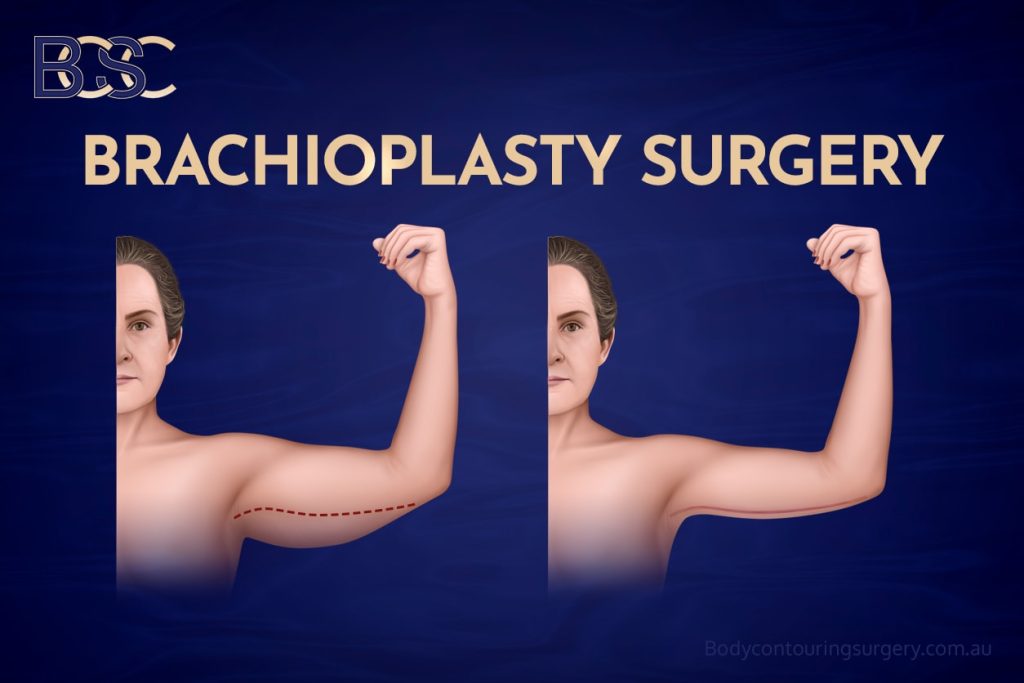
Brachioplasty is a reconstructive plastic surgery procedure focused on removing excess skin and contouring the upper arm. The brachioplasty procedure targets the inner surface of the arm, typically between the elbow and the axilla, where excess skin and fat most commonly accumulate.
While exercise may benefit muscle strength, it cannot correct loose skin or excess tissue. In carefully selected patients, brachioplasty surgery may be appropriate.

Loose skin of the upper arm develops for several reasons, including:
Once excess skin and excess fat are present, non-surgical treatments are usually ineffective. In these situations, arm lift (brachioplasty) procedures may be considered.
BCSC offers different arm lift (brachioplasty) procedures depending on the amount of skin and fat, arm shape, and individual circumstances.

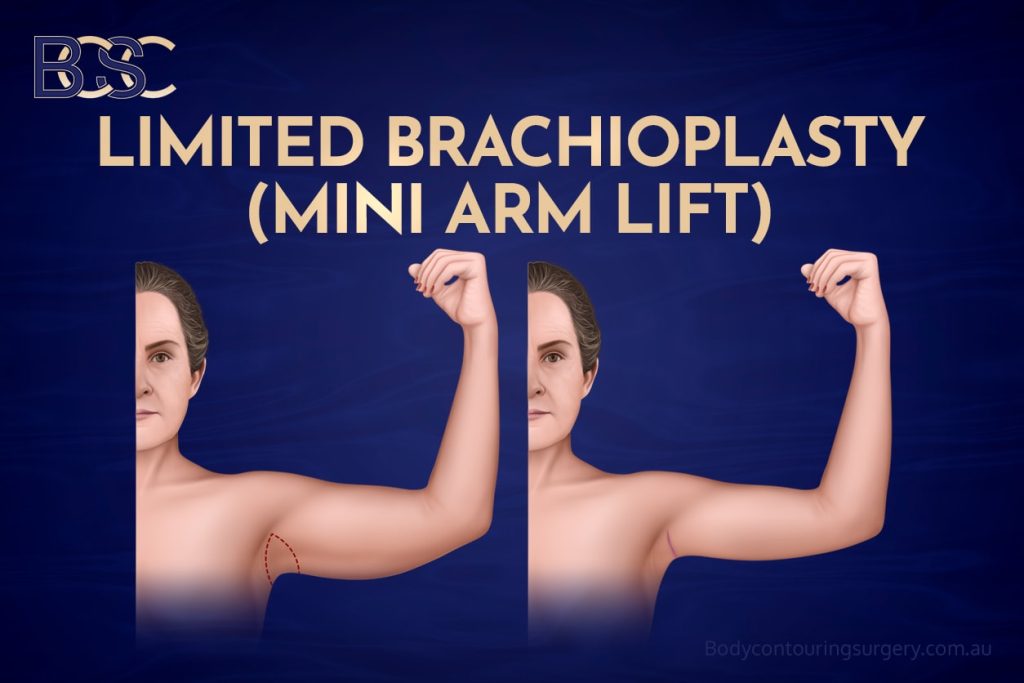
Limited brachioplasty is suitable for carefully selected patients with a small amount of excess skin in the axillary region. The incision is shorter and concealed within the armpit. This arm lift (brachioplasty) provides modest arm reduction and is not suitable for most patients after massive weight loss.
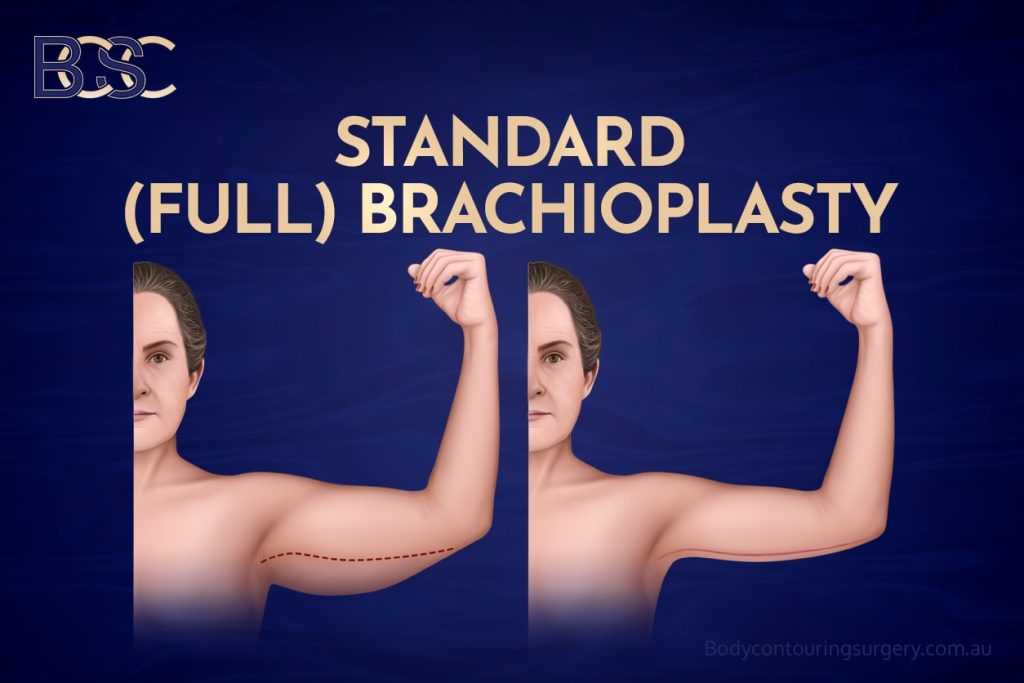
Standard brachioplasty is the most common brachioplasty surgery performed at BCSC. It treats excess skin and fat extending from the axilla to the elbow. The incision is placed along the inner arm or inner surface to allow effective skin removal.


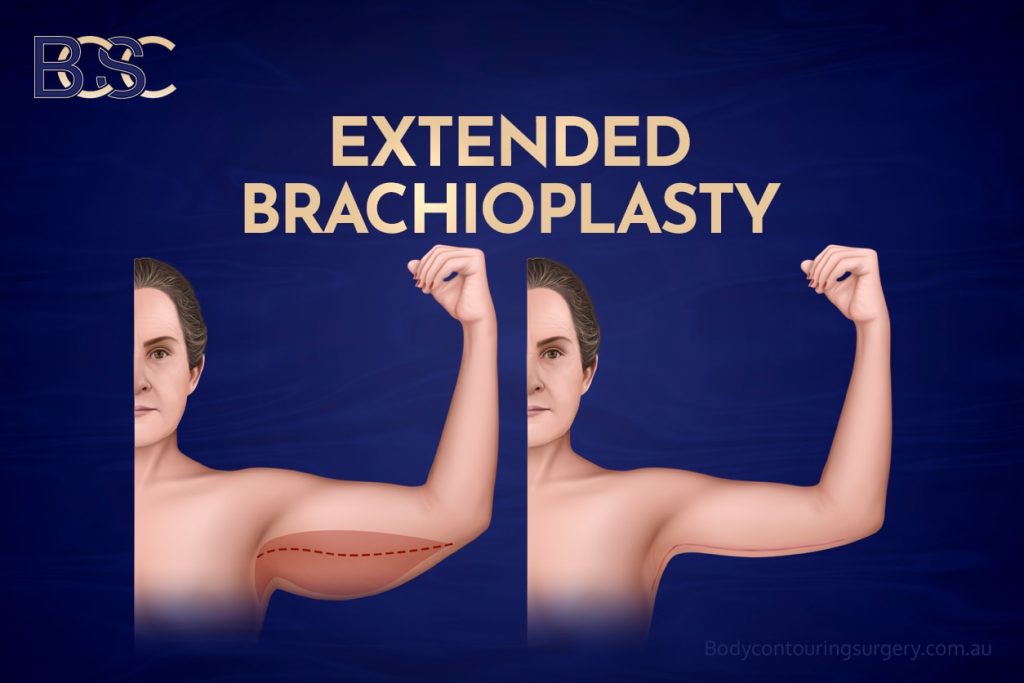
Extended brachioplasty is required when excess skin and fat extend beyond the upper arm into the axilla or lateral chest wall. This approach is more common after massive weight loss and may be combined with other procedures.

Brachioplasty can be performed with or without liposuction (suction-assisted lipectomy), depending on the amount of excess fat present.
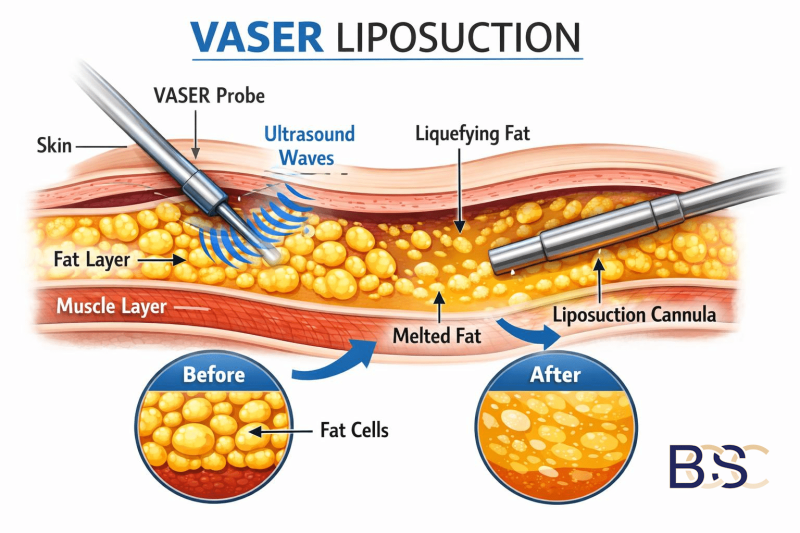
At BCSC, VASER liposuction (ultrasound suction-assisted lipectomy) is preferred when liposuction is indicated. VASER assists with fat removal while preserving underlying tissues and blood supply.
Many surgery patients who have achieved a normal or near-normal weight after weight loss have minimal arm fat. In these cases, liposuction is not required, and skin removal alone is sufficient. When excess fat is present, liposuction (suction-assisted lipectomy) may be used to treat the contour of the full circumference of the upper arm, axilla, and lateral chest wall.
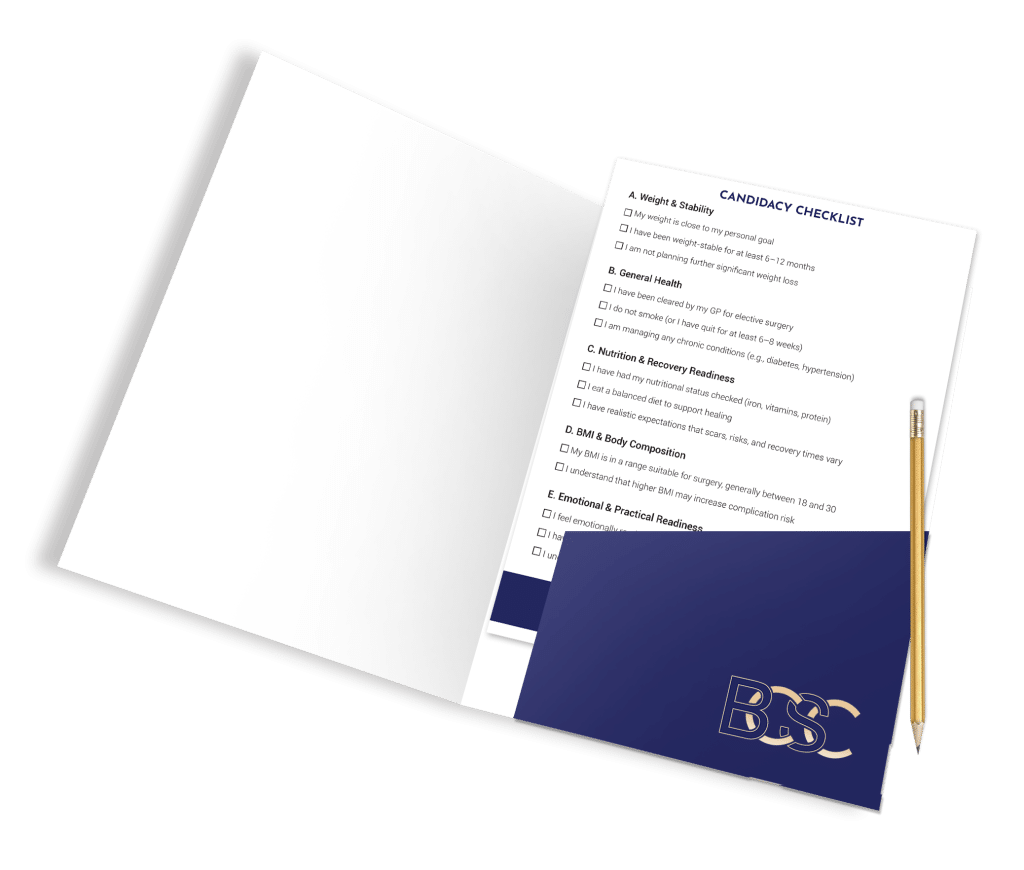
Brachioplasty surgery is considered for carefully selected patients who:

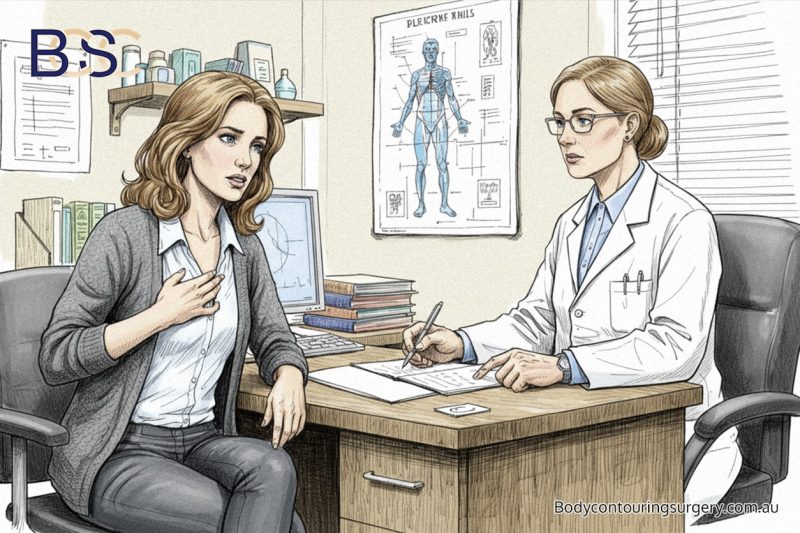
A GP referral is required. The first consultation includes a review of medical history and weight-loss history, an upper-arm assessment, and a discussion of suitable arm-lift (brachioplasty) procedures. The surgical procedure, potential complications, and recovery are explained.
A second consultation allows further discussion, confirmation of the surgical plan, and review of possible risks, specific risks, and expectations.
Before surgery, patients undergo medical review, medication assessment (including supplements such as fish oil), and anaesthetic assessment.

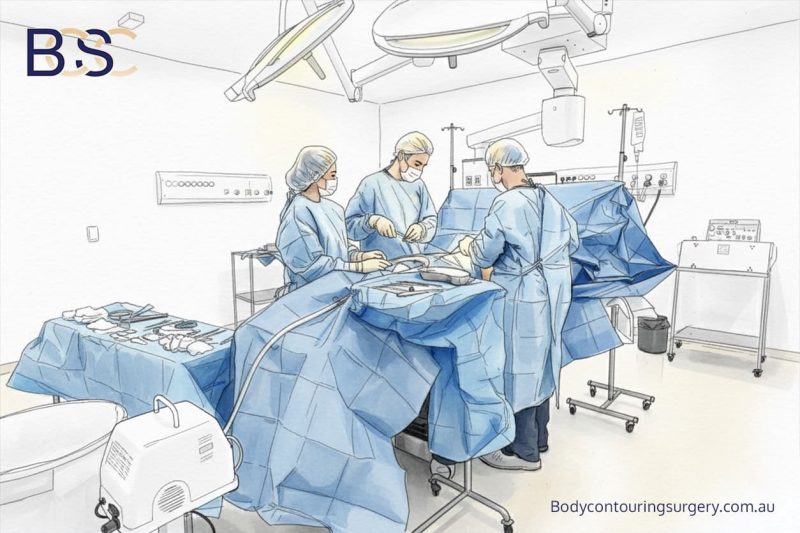
Brachioplasty surgery is performed under general anaesthetic (or general anaesthesia) and is usually a day procedure, though some patients require an overnight hospital stay. Surgery typically takes up to four hours, depending on complexity and whether other procedures are performed.

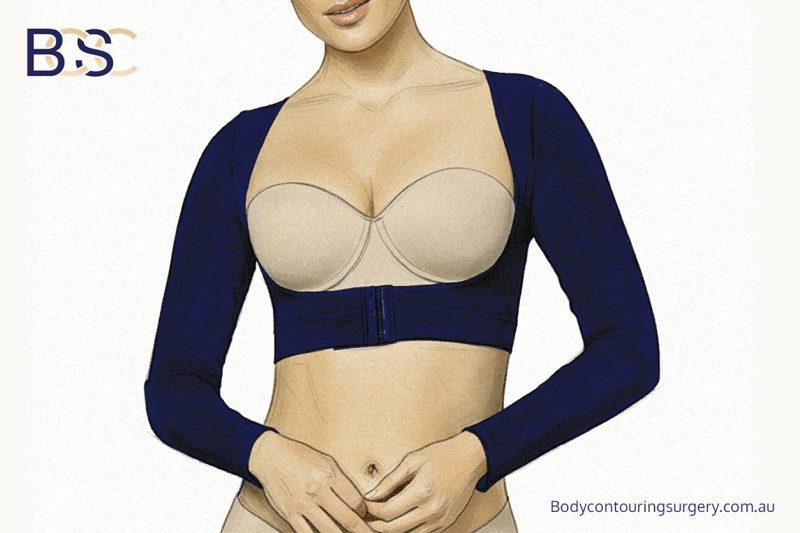
During the first few weeks, swelling and bruising are expected. A compression garment is worn to reduce swelling and support wound healing. Heavy lifting and strenuous exercise should be avoided for several weeks.
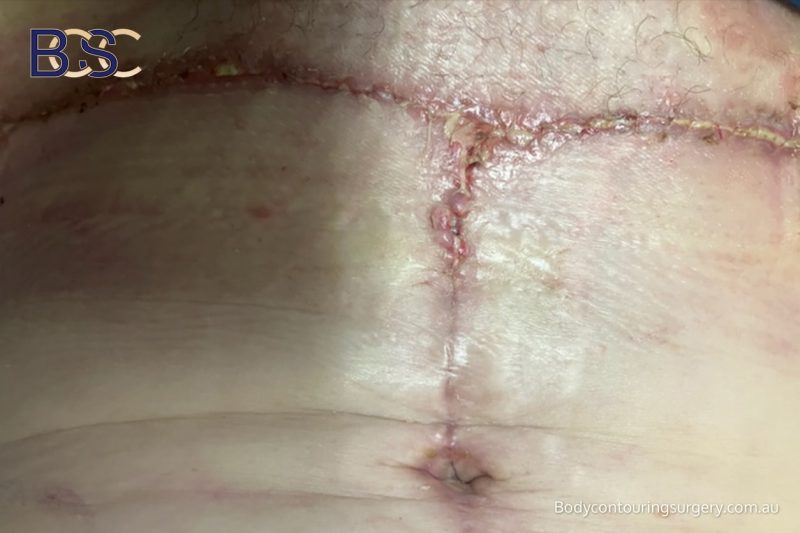
Most patients return to light activities within a few weeks, with swelling gradually settling. Scar management, dissolving stitches, and monitoring for wound separation or fluid collection are part of routine aftercare.

Brachioplasty is not risk-free. Possible complications and potential complications include excessive bleeding, blood loss, infection, blood clots, swelling, fluid collection that may require drainage, sensory changes, hypertrophic scarring, and wound separation. In some cases, revision surgery or further surgery may be required.

The cost of brachioplasty surgery in Australia varies depending on the procedure, hospital stay, and anaesthetic fees. In individual circumstances, rebates may be available through Medicare and private health insurance. The average cost of an arm lift (brachioplasty) can only be discussed after consultation.

Long-term results depend on maintaining a healthy lifestyle, stable weight, and appropriate activity once recovery is complete. Significant weight changes after surgery can affect outcomes.
Brachioplasty is a well-established plastic surgery option for patients with excess skin, loose skin, and excess fat of the upper arm. At Body Contouring Surgery Clinic, brachioplasty surgery is approached conservatively, with careful patient selection, structured consultation, and attention to detail.