Location of practice: 30 Belmore Rd, Lorn, NSW 2320
Area of interest:
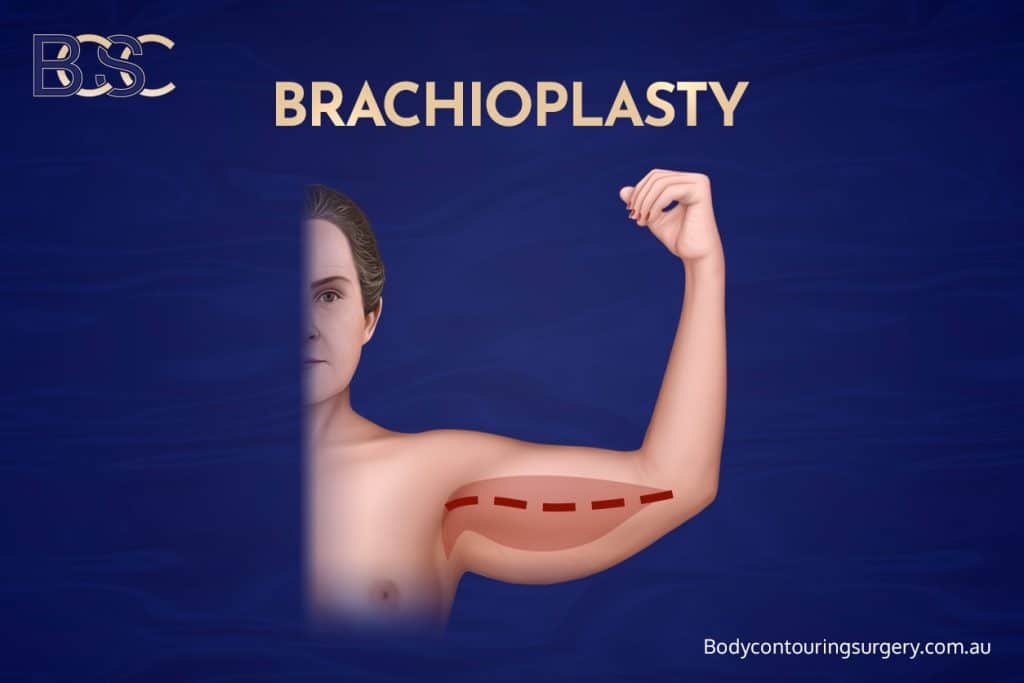
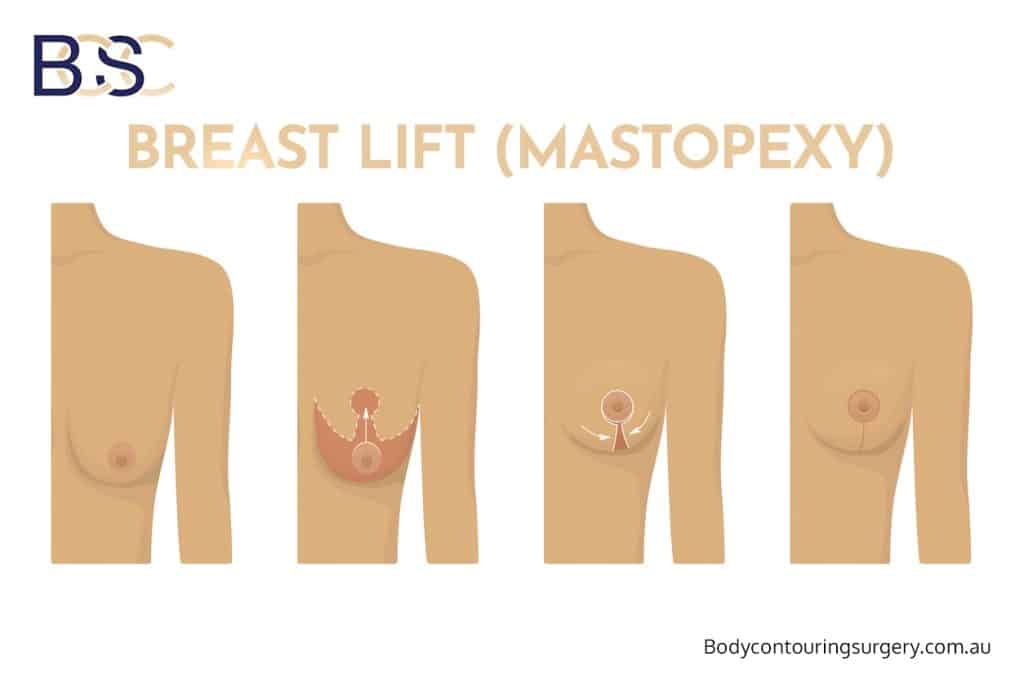
Body contouring surgery post pregnancy and post-weight loss, including Abdominoplasty, Mastopexy, Breast augmentation (Augmentation mammoplasty), Brachioplasty and Thighplasty.


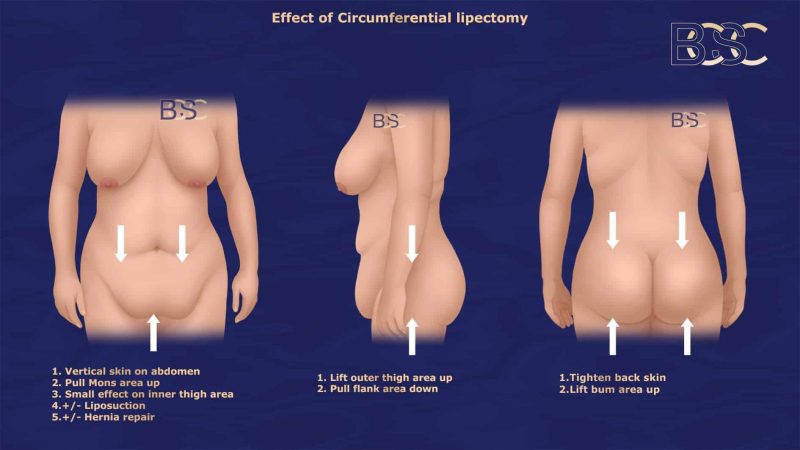
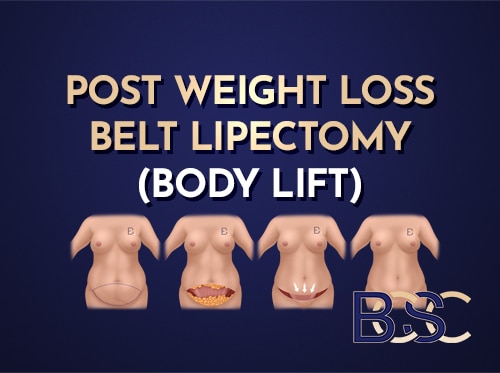
A post weight loss belt lipectomy (body lift) is a comprehensive surgical procedure designed to remove excess skin and fat from the lower torso, including the abdomen, flanks, lower back and upper buttocks. The goal of this procedure is to remove excess skin and tighten redundant tissue to improve body contour, elevate the buttocks, smooth the outer thighs (thighplasty), and enhance comfort and mobility following significant weight loss, while maintaining realistic expectations about results. The surgical process involves the removal and redraping of skin tissue. The operation is commonly known by several names, including belt lipectomy, lower body lift surgery (belt lipectomy), circumferential lipectomy surgery, and 360 abdominoplasty (circumferential abdominoplasty).
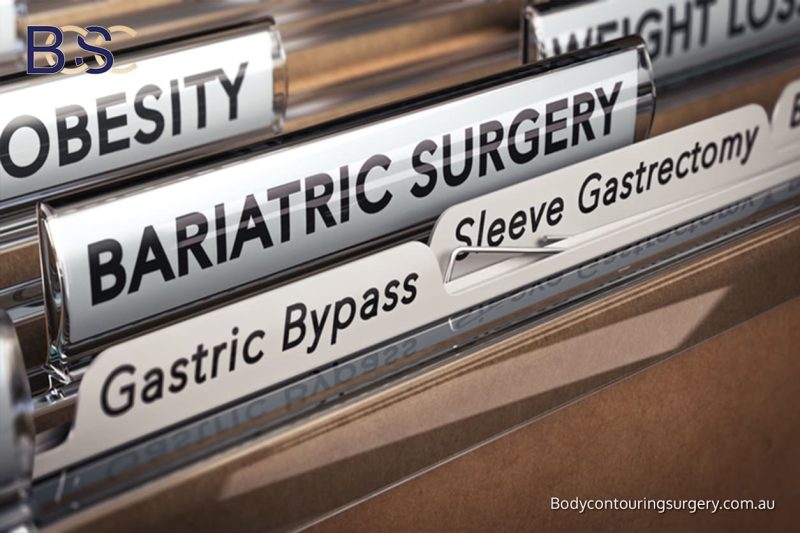
This form of body lift (belt lipectomy) surgery is often the final stage in a patient’s weight loss journey. Even after successful bariatric surgery (such as gastric bypass surgery or sleeve gastrectomy) or natural weight reduction, loose skin and excess tissue may remain. These large skin folds can cause discomfort, recurrent skin irritation, poor posture, hygiene issues, and difficulty with exercise or clothing fit.

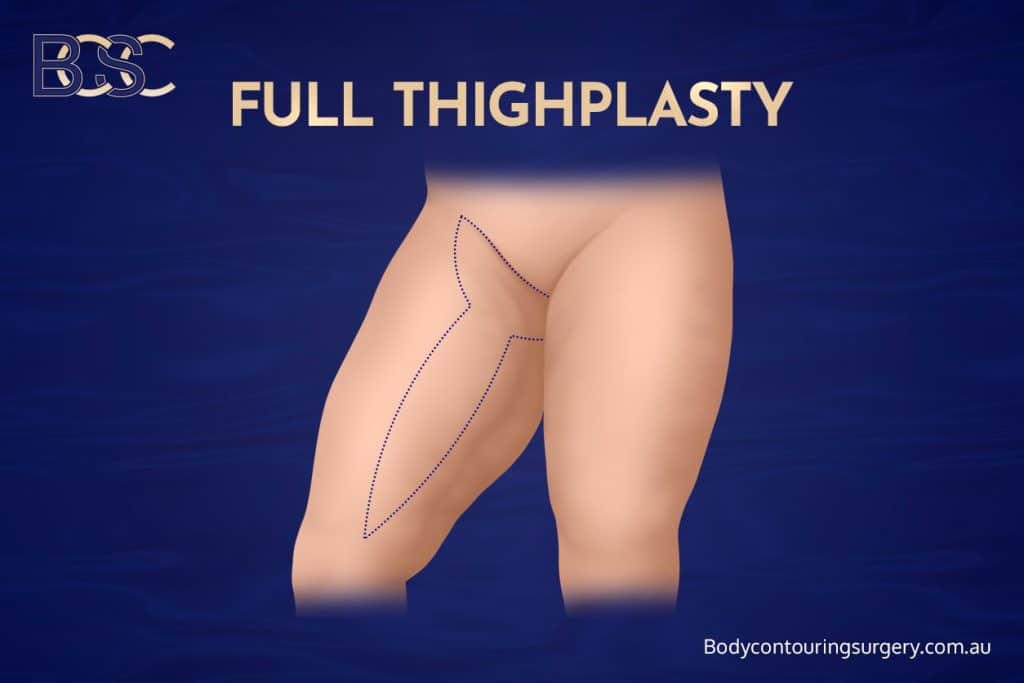
An abdominoplasty (tummy tuck) focuses only on the front of the abdomen, tightening the abdominal muscles and removing extra skin from the abdomen. In contrast, a belt lipectomy (circumferential body lift) continues this contouring around the entire lower body, treating the flanks, lower back, and buttocks. The operation may also lift the outer upper thighs (thighplasty), helping create smoother transitions between the buttocks, hips, and legs.
Because it treats the entire body circumference, a belt lipectomy is more extensive than a standard abdominoplasty (tummy tuck).
Belt lipectomy surgery provides both aesthetic and functional benefits. These may include:
However, it’s important to understand the limitations:
Every patient’s results differ, and outcomes depend on anatomy, surgical planning, and commitment to aftercare.
Most patients who consider belt lipectomy (circumferential lipectomy) are evaluated across four main considerations. Many have previously undergone weight loss surgery (bariatric surgery) or have achieved significant weight reduction through lifestyle changes. This often leads to excess skin and fat that can be treated with body contouring procedures like belt lipectomy.

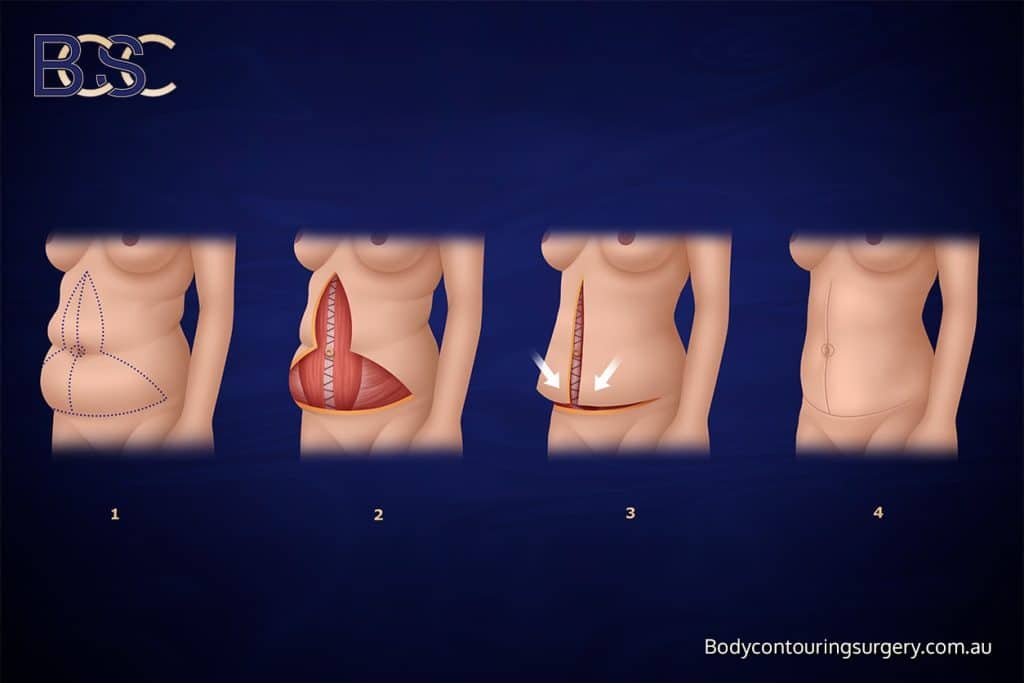
A belt lipectomy primarily treats vertical excess skin and tissue that encircle the lower abdomen, flanks, and lower back. The removal of redundant skin and fat is an essential component of this procedure. This helps to correct skin laxity. The operation is not designed to treat horizontal skin excess. Patients with that type of laxity may be better suited for a different approach such as a fleur-de-lis abdominoplasty (vertical abdominoplasty). During consultation, your surgeon will carefully assess the distribution of skin laxity to determine whether a circumferential approach is suitable.

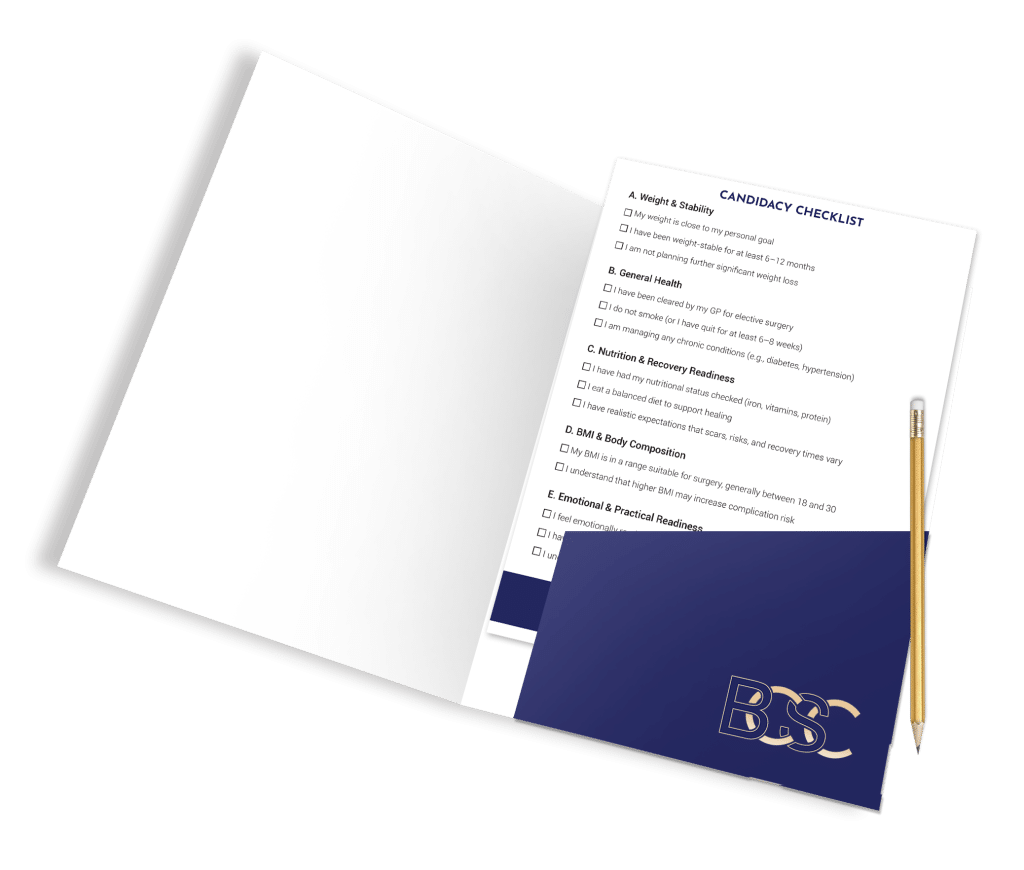
Patients are generally advised to maintain a stable weight for at least 12 months following major weight loss or bariatric surgery before undergoing a belt lipectomy. This waiting period allows the body’s skin and tissues to stabilise and ensures that an optimal outcome is achieved.
Maintaining a stable weight is important because it:
Taking the time to reach and maintain a healthy, stable weight, while building core strength and overall fitness, provides the strongest foundation for surgery, effective healing, and long-term results.
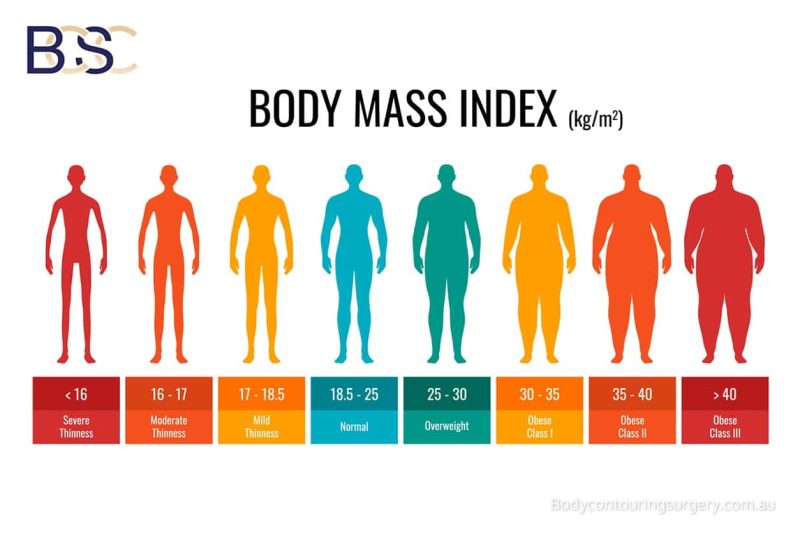
The most favourable results are achieved in patients whose BMI (Body Mass Index) falls within the normal range (18.5–24.9). In this range, the balance between internal and external fat is usually most suitable for skin resection, and the removal of excess skin can be more effective. Patients in the overweight range (BMI 25–29.9) can also be good candidates, especially when most of their fat is external (subcutaneous) and can be treated with VASER liposuction (Suction-assisted lipectomy) during surgery.
Patients with a BMI of 30 or above face higher risks, including delayed healing, wound problems, and less predictable results. Additional weight loss may be recommended before proceeding to optimise the surgical outcomes.

Because a belt lipectomy is a long and complex operation, being fit and healthy is essential. Chronic conditions such as diabetes, heart disease, lung disease, or anaemia should be well controlled before surgery. Smoking, vaping, or poor nutrition can slow recovery and increase surgical risks. A full preoperative evaluation and optimisation plan will be completed to prepare you for surgery and to support the best possible outcome.
Some patients have other abdominal wall conditions that can be corrected during the same procedure. These may include diastasis recti (separation of the abdominal muscles), hernias, old scars, or general abdominal wall weakness that can be treated with tightening techniques. Treating these issues at the same time can provide both function and aesthetic benefits.
In selected cases, a belt lipectomy may also be considered medically necessary when treating excess skin that causes recurring rashes, infections, or skin breakdown. Eligibility for any Medicare or private health fund rebates will be assessed individually during consultation.

Adopting and maintaining a healthy lifestyle is essential both before and after body lift (belt lipectomy) surgery. Achieving a stable weight through a balanced diet and regular exercise not only helps to optimise surgical results but also supports long-term health.
Proper nutrition provides the body with the nutrients needed for recovery, while maintaining a stable weight helps preserve the new body achieved through surgery. Patients are encouraged to reach and maintain their goal weight prior to surgery, as significant weight fluctuations afterwards can impact the results.
There are two categories of related surgeries when considering a belt lipectomy (circumferential lipectomy): procedures performed within the circumferential surgery itself, and those that can be combined or staged separately for more comprehensive results.
These are complementary procedures often included as part of the circumferential lipectomy to optimise both function and contour:
Including these procedures during a circumferential belt lipectomy can provide both aesthetic outcomes and abdominal wall function.
For patients with more extensive skin redundancy in other body regions, additional body contouring surgeries can be combined with or performed separately from the circumferential belt lipectomy, depending on medical suitability and recovery considerations.


These additional operations are designed to complement belt lipectomy (circumferential lipectomy) results, treating both appearance and comfort. The planning and timing of combined or staged surgeries depend on patient health & goals.
The belt lipectomy (body lift) procedure is performed under general anaesthesia. It involves a circumferential incision around the torso to remove redundant skin and fat. This major operation typically takes 4–6 hours and requires an inpatient stay for observation.

Each patient’s healing time varies based on their health, operation extent, and adherence to post-operative care instructions.


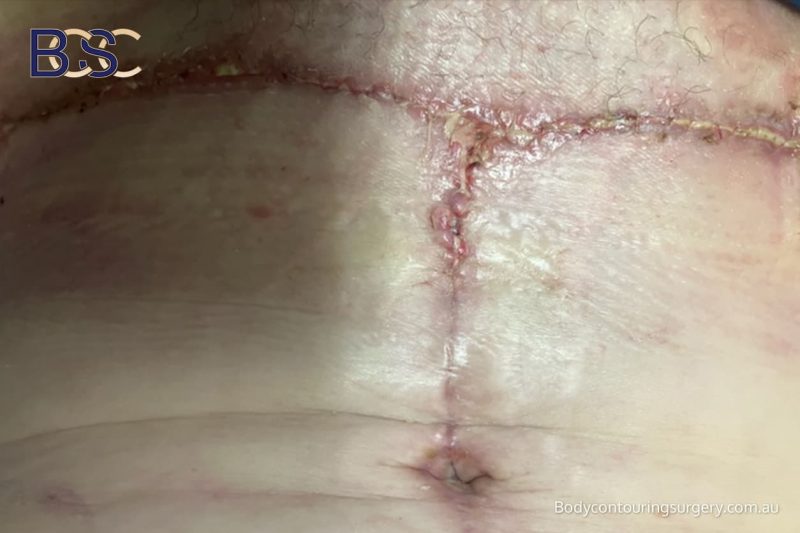
A belt lipectomy (body lift) produces a circumferential scar around the lower torso. The incision is planned to lie within the underwear or swimwear line to minimise visibility. Over 12–18 months, the scar fades with proper care. Visible and prominent scarring is expected, but scar management techniques such as silicone taping, massage, and sun protection can help.
The long-term outcome depends on maintaining a stable weight, avoiding weight gain, and committing to a healthy lifestyle. Patients who do so typically experience lasting results in contour, comfort, and mobility. However, results vary and will continue to change with natural ageing.
Like all surgery procedures, a belt lipectomy (body lift) carries risks, which include:

Your surgeon will discuss all potential risks and complications during consultation. Patients are encouraged to follow instructions closely.

The cost of belt lipectomy (circumferential lipectomy surgery) depends on several factors such as procedure complexity, hospital stay, and additional procedures performed. The written quote provided after consultation includes:
To qualify, patients must meet all of the following:
(a) Excess skin and fat cause chronic skin conditions such as intertrigo that have not responded to at least three months of conservative treatment; and
(b) The condition interferes with daily activities; and
(c) Weight has been stable for at least six months following major weight loss.
Private health insurance may help cover hospital costs if eligibility criteria are met.
A belt lipectomy (body lift) removes excess skin and fat around the entire lower torso, including the back and sides, whereas an abdominoplasty (tummy tuck) focuses on the front of the abdomen only.
Most patients return to light duties after 3–4 weeks and resume low-impact exercise at 6–8 weeks. Recovery times vary.
Yes. All belt lipectomy (body lift) procedures result in scars. Surgeons plan incisions to minimise visibility and provide instructions for scar care.
Rebates may be available under MBS Item 30179 when medical criteria are met. Eligibility is assessed individually but you will have GAP payments.
Results can last for many years if weight gain is avoided and a healthy lifestyle is maintained.