
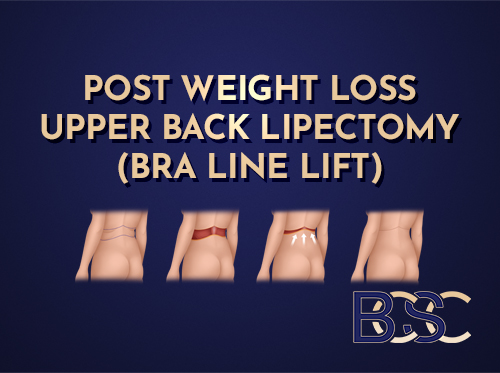
Bra Line Lipectomy (Upper Back Lipectomy) After Weight Loss
Bra line lipectomy, also known as a bra line back lift or back bra lift, is a body contouring procedure performed after significant weight loss.
After significant weight loss, including weight loss achieved through bariatric surgery, many post-weight-loss patients are left with excess skin and skin folds in areas that do not respond to exercise, topical treatments, or skin-tightening technologies (1,2,4). The upper back is one such area, particularly along the bra line, where excess skin and fat may persist despite otherwise successful weight reduction (1–3).
This article explains the role of bra line lipectomy, how it differs from other body contouring surgery options such as belt lipectomy or lower body lift surgery, and what most patients can expect from consultation through recovery.
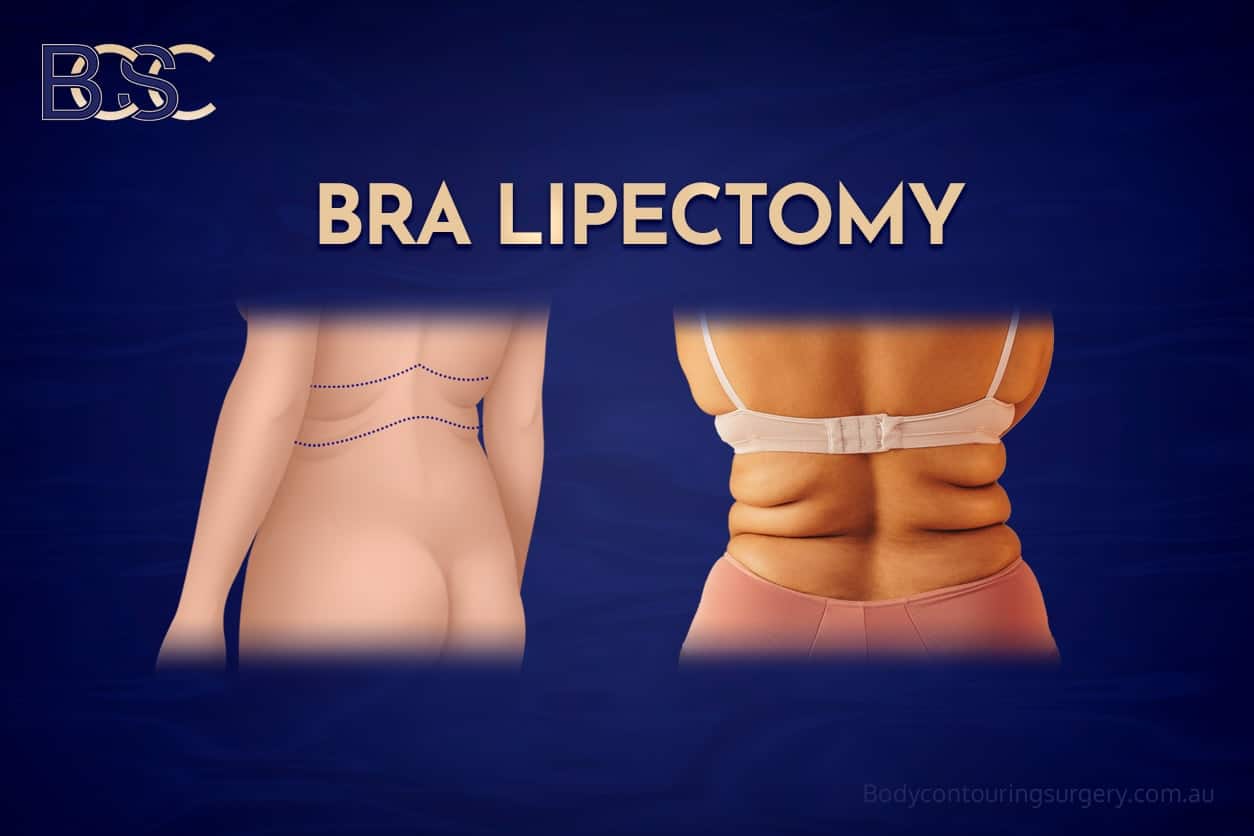
Understanding Loose Skin After Weight Loss
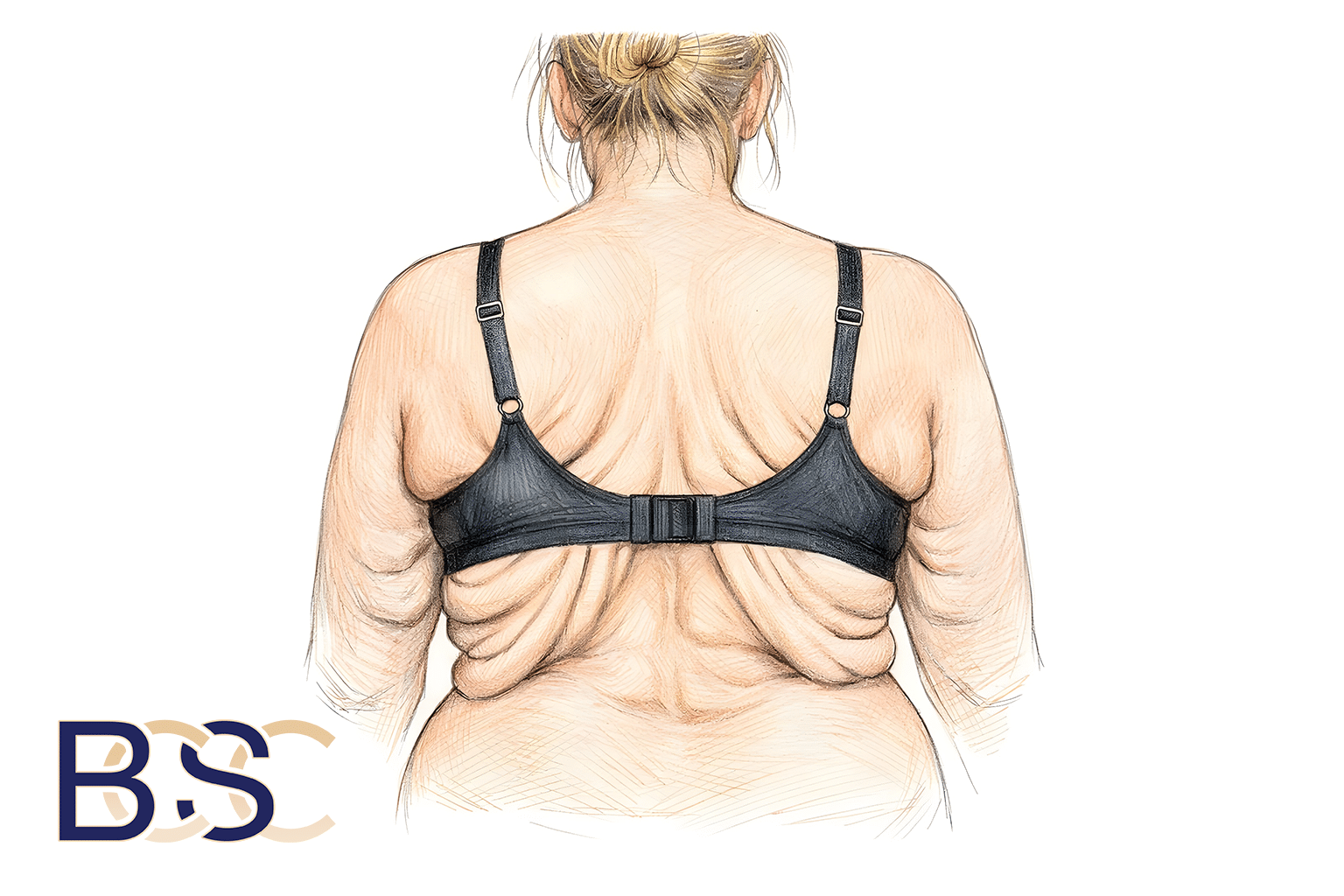
Why Loose Skin Develops After Weight Loss
Loose skin is a common outcome of significant or extreme weight loss (2,4,5). When body weight is significantly reduced, the skin may not contract adequately due to reduced elasticity, prolonged stretching, and changes in collagen structure. This is particularly common in post-bariatric patients (2,4).
The upper back region contains firm zones of adherence where skin is tightly connected to underlying tissue (1,3,4). These anatomical features limit skin tightening, contributing to persistent loose skin and excess skin folds along the bra line. Weight loss alone, even when combined with a healthy lifestyle, cannot reverse this process.
Functional Effects of Excess Skin
Excess skin and loose skin in the upper back may lead to:
Recurrent skin irritation and skin rashes
Difficulty maintaining hygiene
Discomfort during daily activities
Challenges with clothing fit, including bras and supportive garments
What is Bra Line Lipectomy (upper back lipectomy)?
Bra line lipectomy is a surgical procedure within plastic and reconstructive surgery that focuses on removing excess skin and fat from the upper back (1–3). The operation performed involves excision of redundant skin, with the surgical scar positioned along the bra line so it may be concealed by clothing.
This lift surgery is considered a type of upper body lift (lipectomy) and may be performed alone or combined with other body lift (lipectomy) or body contouring procedures (1,2,6). In men, a similar surgical approach may be used with adjusted scar placement.
Bra line lipectomy is not cosmetic surgery for weight loss. Instead, it is a reconstructive surgery approach used to manage the physical consequences of weight loss when loose skin remains.
Years of experience
24/7 support
Qualified doctors
Many specialties
Modern facilities
Guaranteed results
How Bra Line Lipectomy Differs From Other Body Contouring Procedures
Comparison With Lower Body Procedures
Bra line lipectomy specifically targets the upper back, whereas procedures such as lower body lift (belt lipectomy) surgery treat excess tissue around the lower abdomen, hips, and lower body (1,4,6). While lower body lift (belt lipectomy) procedures may treat abdominal contouring and create a firmer abdomen, they do not correct loose skin of the upper back.
Procedures such as traditional abdominoplasty or fleur de lis abdominoplasty focus on the abdomen and lower torso (4,6). Even when combined with a belt lipectomy, excess skin along the bra line often remains due to anatomical tethering.
Relationship to Other Upper Body Procedures
Bra line lipectomy (upper back lipectomy) may be performed alongside other upper body procedures such as arm lift (brachioplasty) surgery for the upper arms or breast lift (mastopexy) surgery. These surgical approaches may be staged or combined depending on body mass index, body weight stability, and other factors assessed during consultation.
Who May Be a Suitable Candidate?
A suitable candidate for bra line lipectomy (upper back lipectomy) is assessed individually. Most surgeons consider the following factors when determining suitability:
- History of weight loss or massive weight loss
- Completion of weight loss and achievement of stable weight
- Presence of loose skin, excess tissue, or excess skin and fat in the upper back
- Overall health and ability to heal after plastic surgery
- Realistic expectations regarding surgical scar placement and aesthetic outcomes
Patients who are still losing weight, have unstable body weight, or have conditions that impair wound healing may be advised to delay surgery.
The Consultation Process
The consultation process for bra line lipectomy (upper back lipectomy) is structured to support informed decision-making.
Initial Consultation
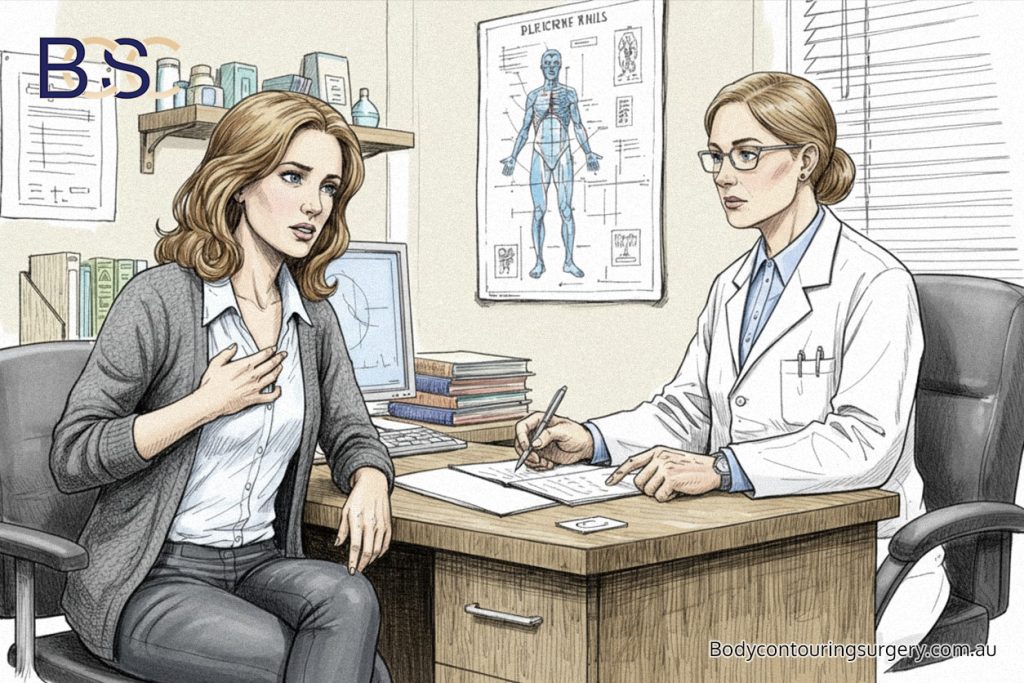
The initial consultation typically lasts around one hour. During this appointment, the surgeon reviews the patient’s medical history, weight loss history, bariatric surgery details (if applicable), current medications, and overall health. Body mass index and weight stability are considered carefully.
A physical examination of the upper back is performed to assess loose skin, excess skin folds, subcutaneous fat, skin tone, and scar tissue from previous surgery. The surgeon explains whether bra line lipectomy (upper back lipectomy) is appropriate and discusses alternative surgical approaches if needed.
The procedure, expected healing process, potential risks, and postoperative care requirements are explained in detail. Standardised photographs may be taken for documentation and planning.

Second Consultation
A second consultation is commonly recommended. This allows time for reflection, clarification of realistic expectations, review of consent, and discussion of timing, recovery process, and other factors.
Telehealth Consultations
For patients who live remotely or interstate, an initial consultation may be conducted via telehealth. An in-person review is required before surgery to allow physical examination and confirmation of suitability.
Where and How the Operation Is Performed
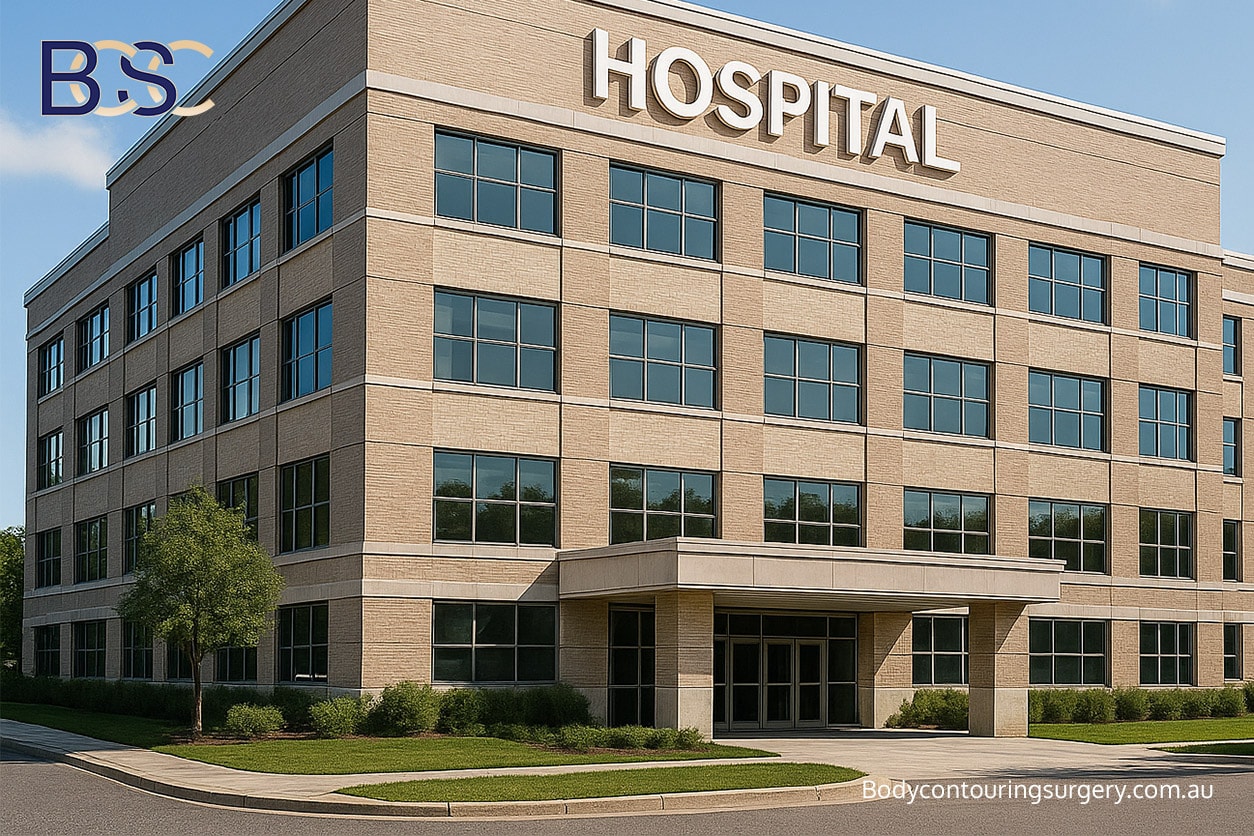
Bra line lipectomy is performed in an accredited hospital setting as part of surgery care (1–3). The operation is performed under general anaesthesia (1–3).
Depending on the extent of surgery and whether other procedures are combined, patients may be discharged on the same day or remain overnight for observation, pain management, and early monitoring.
Surgical Approaches Used in Bra Line Lipectomy (upper back lipectomy)
Planning and Marking
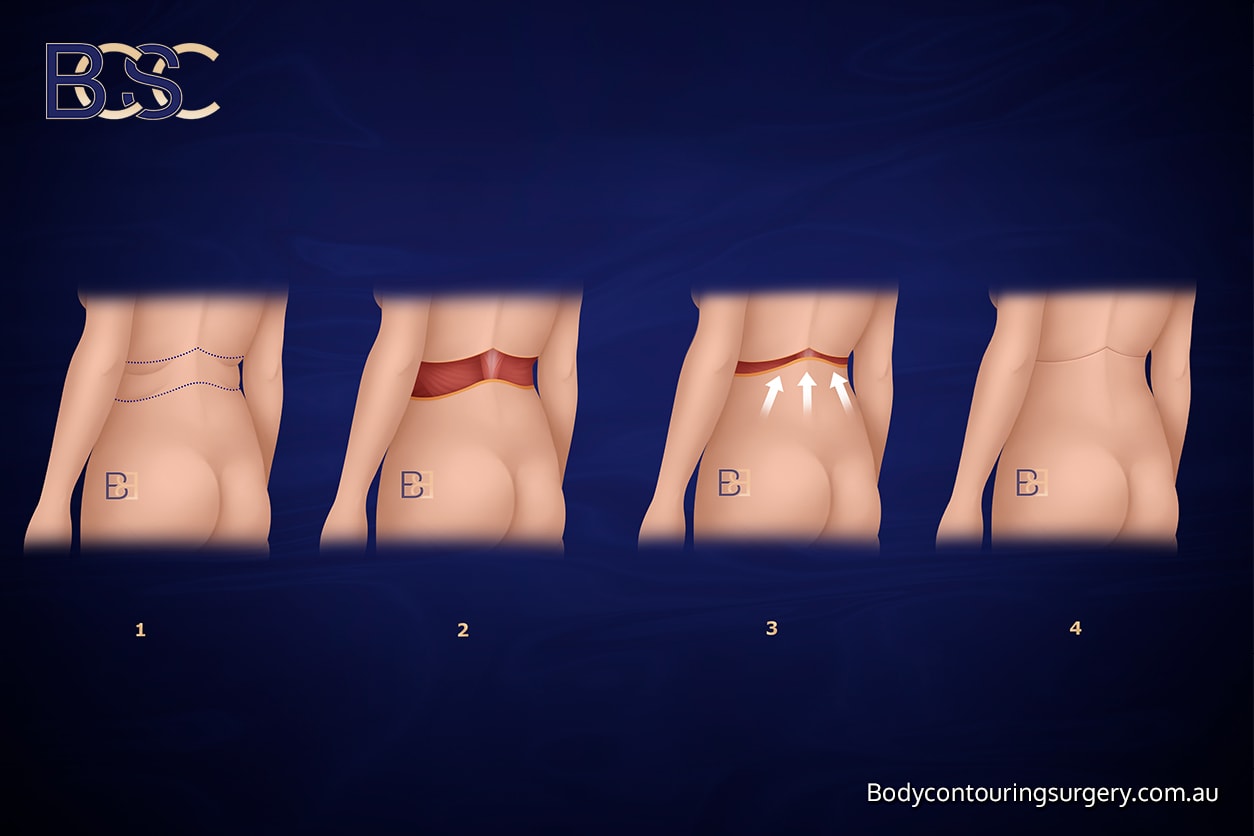
Before surgery, the surgeon marks the surgical area with the patient standing. The bra line is used as a reference to optimise surgical scar placement and reduce visible scars.
Managing Excess Skin and Fat
The surgeon pulls the loose skin together to determine the amount of excess tissue to be removed. Excess skin is excised directly, with dissection kept superficial to the muscle fascia to reduce pain and swelling (1–3). In selected cases, excess fat may be treated at the same time.
Closure and Scar Formation
The incision is closed in layers to support wound healing and reduce tension on the skin (1–3). Scar tissue forms as part of the healing process. Scar massage, silicone sheets, and other scar care strategies may be recommended during recovery.
Recovery and Post Operative Care
Early Recovery
The early recovery phase focuses on pain management, wound care, and mobilisation. Compression garments may be recommended in some cases. Pain management strategies are discussed to support comfort while preventing complications.
First Few Weeks After Surgery
Most patients are advised to avoid heavy lifting and strenuous activity during the first few weeks. The healing process varies depending on other factors such as overall health and whether additional procedures were performed.
Long-Term Recovery and Follow-Up
Follow-up appointments are typically scheduled at 1, 3, 6, and 12 months. These reviews allow monitoring of skin healing, scar tissue development, and aesthetic outcomes. Scar revision surgery may be considered in rare cases where scarring is poor or a keloid develops.

Risks and Potential Complications
As with all surgery and aesthetic surgery procedures, bra line lipectomy (upper back lipectomy) carries risks (1–3). These may include:
- Infection
- Delayed wound healing
- Fluid collections
- Poor scarring or widened surgical scar
- Blood clots
- Changes in sensation
Careful surgical planning, appropriate postoperative care, and adherence to instructions help prevent complications.
Expected Results and Limitations
Bra line lipectomy (upper back lipectomy) reduces excess skin folds and assists with clothing fit (1–3). It does not replace weight-loss or skin-tightening treatments and does not change body weight. Maintaining a stable weight and a healthy lifestyle supports long-term results.
Frequently Asked Questions
A bra line lift (upper back lipectomy) is considered a type of upper body lift (lipectomy), but it targets the upper back specifically. Other upper body lift (lipectomy) procedures may treat the chest, upper arms, or breasts.
Coverage depends on individual circumstances and specific criteria. This is assessed during consultation.
Costs vary depending on the extent of surgery, whether other procedures such as lower body lift (belt lipectomy) are combined, and hospital fees.
Years of experience
24/7 support
Qualified doctors
Many specialties
Modern facilities
Guaranteed results
How to get started
Ask your GP for a referral, then book a consultation with Dr Beldholm. At your consultation, your suitability is assessed and your options, the risks and the recovery are explained.
Surgeons at Body Contouring Surgery Clinic


Learn more about the costs of bra line lipectomy (upper back lipectomy) after weight loss
- Hunstad JP, Repta R. Bra-line back lift. Plast Reconstr Surg. 2008;122(4):1225–1228.
- Hunstad JP, Chen C, Abbed T. Bra-line back lift. Clin Plast Surg. 2019;46(1):77–84.
- Hunstad JP, Khan PD. The bra-line back lift. Clin Plast Surg. 2014;41(4):715–726.
- Strauch B, Rohde C, Patel MK, et al. Back contouring in massive weight loss patients. Plast Reconstr Surg. 2007;120:1692–1702.
- Shermak MA. Management of back rolls. Aesthet Surg J. 2008;28:348–356.
- Aly AS. Upper body lift. In: Body Contouring after Massive Weight Loss. St Louis: Quality Medical Publishing; 2006.