
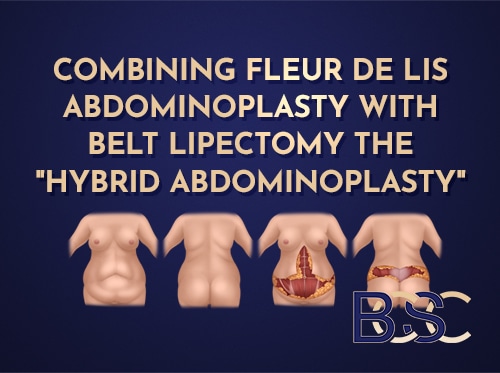
Circumferential Hybrid Abdominoplasty Combining a Vertical Lipectomy with Belt Lipectomy
A post weight loss belt lipectomy (body lift) is a comprehensive surgical procedure designed to remove excess skin and fat from the lower torso, including the abdomen, flanks, lower back and upper buttocks. The goal of this procedure is to remove excess skin and tighten redundant tissue to improve body contour, elevate the buttocks, smooth the outer thighs (thighplasty), and enhance comfort and mobility following significant weight loss, while maintaining realistic expectations about results. The surgical process involves the removal and redraping of skin tissue. The operation is commonly known by several names, including belt lipectomy, lower body lift surgery (belt lipectomy), circumferential lipectomy surgery, and 360 abdominoplasty (circumferential abdominoplasty).
This form of body lift (belt lipectomy) surgery is often the final stage in a patient’s weight loss journey. Even after successful bariatric surgery (such as gastric bypass surgery or sleeve gastrectomy) or natural weight reduction, loose skin and excess tissue may remain. These large skin folds can cause discomfort, recurrent skin irritation, poor posture, hygiene issues, and difficulty with exercise or clothing fit.
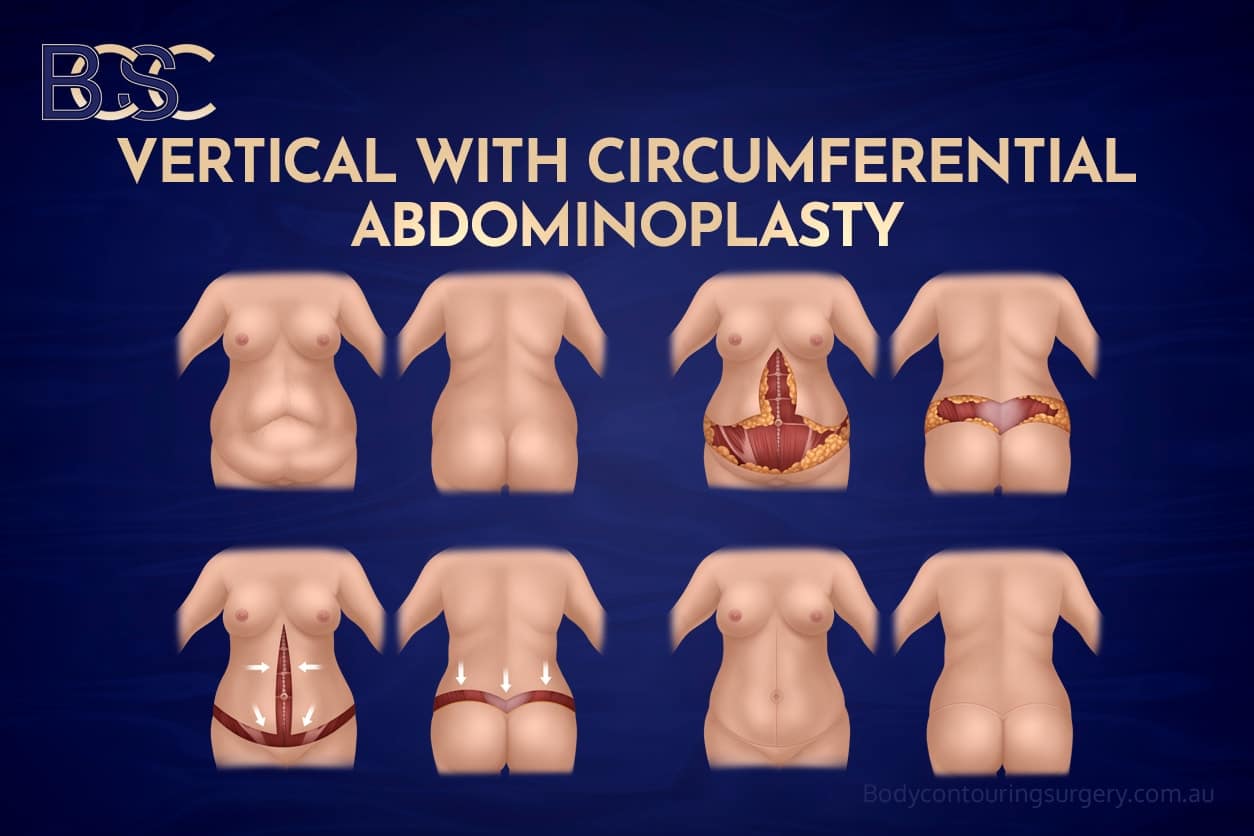
What Is a Circumferential Hybrid Abdominoplasty?
The circumferential hybrid abdominoplasty combines a vertical lipectomy with belt lipectomy into a single comprehensive body contouring approach. This circumferential lift surgery allows the surgeon to remove excess skin in both vertical and horizontal directions while also treating the entire lower torso.
By integrating these techniques, the hybrid approach aims to:
Remove excess skin from the front of the abdomen
Treat horizontal and vertical skin excess
Focus on the flanks and lower back
Provide lifting of the buttock region (gluteoplasty)
This comprehensive body contouring strategy is typically reserved for patients who have experienced significant weight loss and complex deformities.
Understanding Excess Skin After Weight Loss
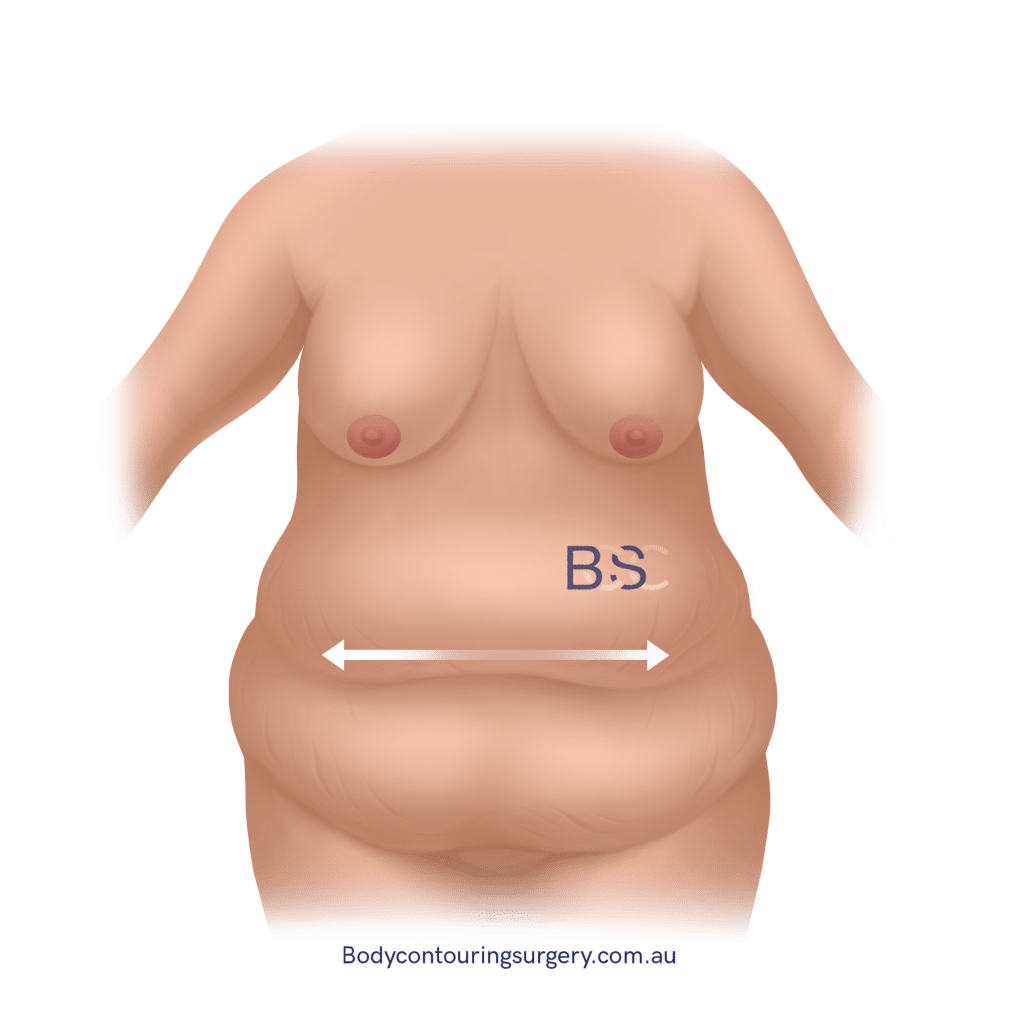
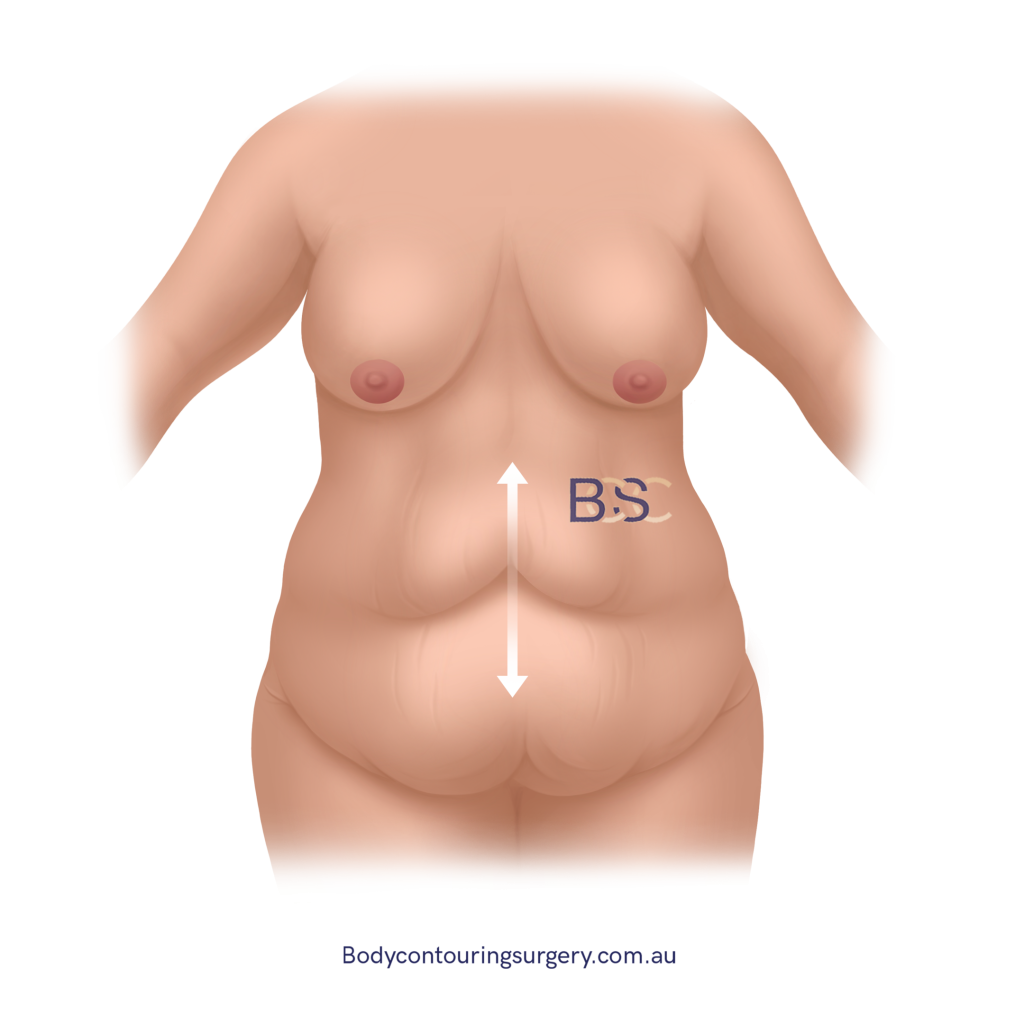
Significant weight loss can lead to widespread skin excess due to loss of elasticity and reduced recoil of the skin and underlying tissues. The abdominal skin may hang in both vertical and horizontal directions, forming excess skin folds that can contribute to skin irritation, hygiene difficulties, and problems with clothing fit. In addition to the anterior abdomen, excess skin and fat often extend circumferentially around the lower torso.
While diet, exercise, and a healthy lifestyle are essential for long-term weight maintenance, they cannot remove excess skin once it has lost its ability to contract. Body contouring surgery may be considered for selected patients who have achieved a stable weight and are experiencing functional or physical concerns related to remaining skin.
Overview of Abdominoplasty Techniques
Abdominoplasty, commonly referred to as a tummy tuck (abdominoplasty), is a surgical procedure designed to remove excess skin and fat from the abdominal area and, where appropriate, treat underlying muscles. Several variations exist, each targeting different patterns of skin excess.
A standard abdominoplasty primarily focuses on the lower abdomen and anterior abdominal wall. However, patients with substantial weight loss often require more extensive approaches, such as Fleur-de-Lis abdominoplasty or circumferential abdominoplasty.
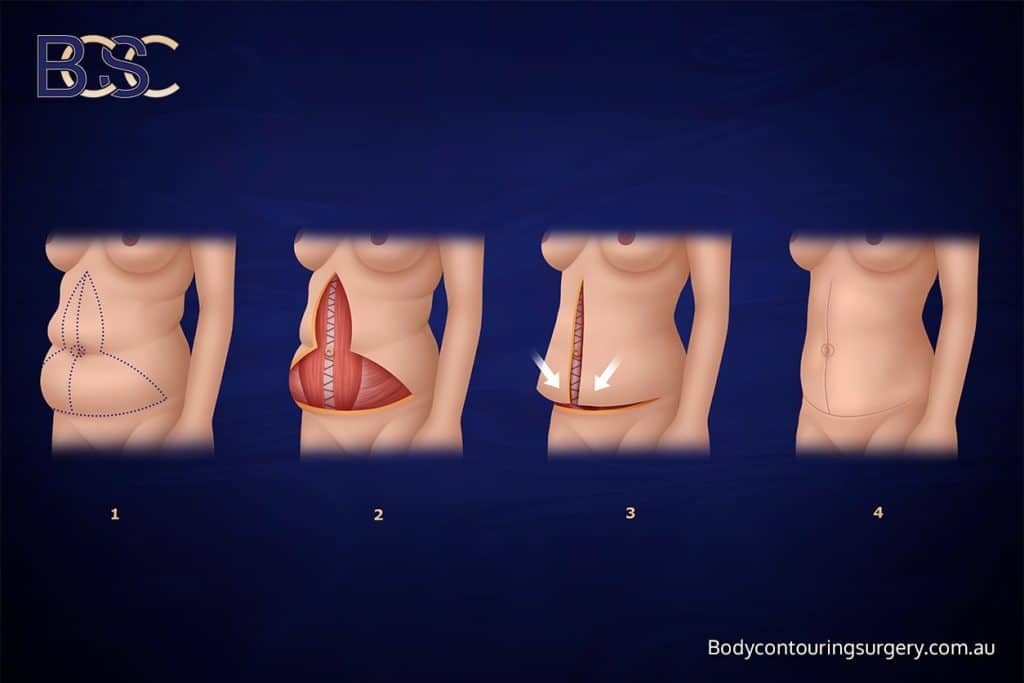
Fleur-de-Lis Abdominoplasty (Vertical Lipectomy)
Fleur-de-Lis abdominoplasty, also known as a vertical lipectomy, is designed to treat horizontal excess skin on the anterior abdomen. This technique involves both a horizontal incision along the lower abdomen and a vertical incision in the midline, allowing removal of skin and fat in two directions.
The advantage of a vertical lipectomy is its ability to narrow the waistline and treat significant skin excess that cannot be corrected with a standard tummy tuck (Abdominoplasty) alone. However, one of the limitations of the Fleur-de-Lis technique is that it only treats the front of the abdomen and does not treat excess skin of the flanks, lower back, or buttock region.
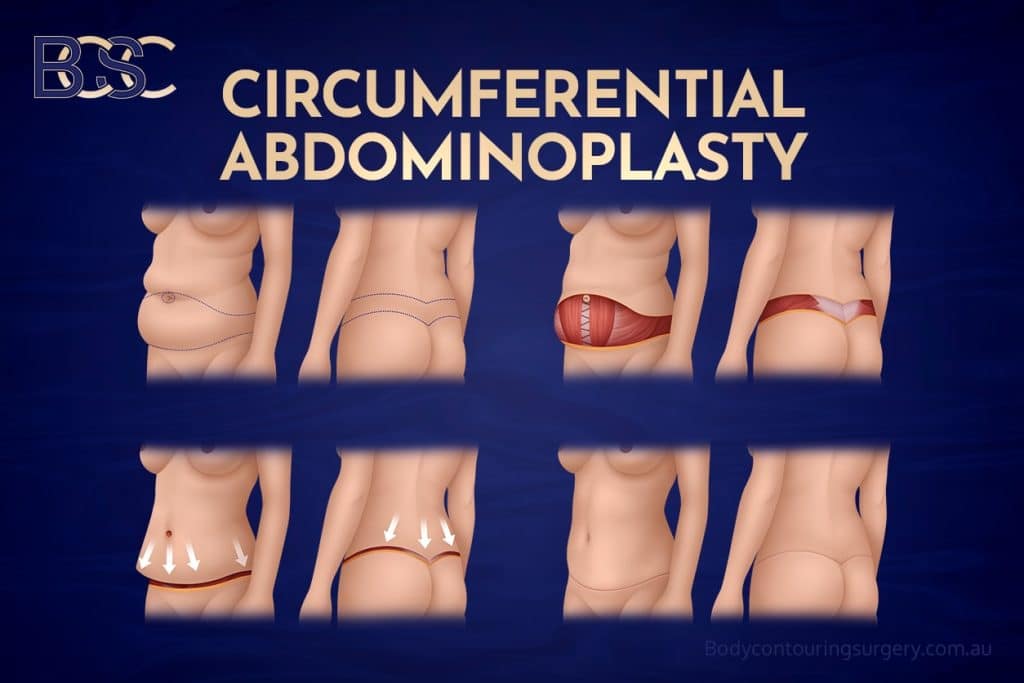
Circumferential Abdominoplasty (Belt Lipectomy)
Circumferential abdominoplasty, often referred to as a belt lipectomy or circumferential body lift, extends the incision around the entire lower torso. This body lift (Belt lipectomy) surgery removes excess skin and fat from the abdomen, flanks, and lower back while also providing a lifting effect to the lateral thighs and buttock area.
A belt lipectomy is particularly useful for patients with circumferential skin excess following substantial weight loss. By removing a belt of skin and fat, the procedure treats the contour of the lower torso and may assist with functional concerns such as skin irritation and clothing fit.
Despite its advantages, a circumferential abdominoplasty primarily treats vertical skin excess and may not adequately treat horizontal laxity of the anterior abdomen.
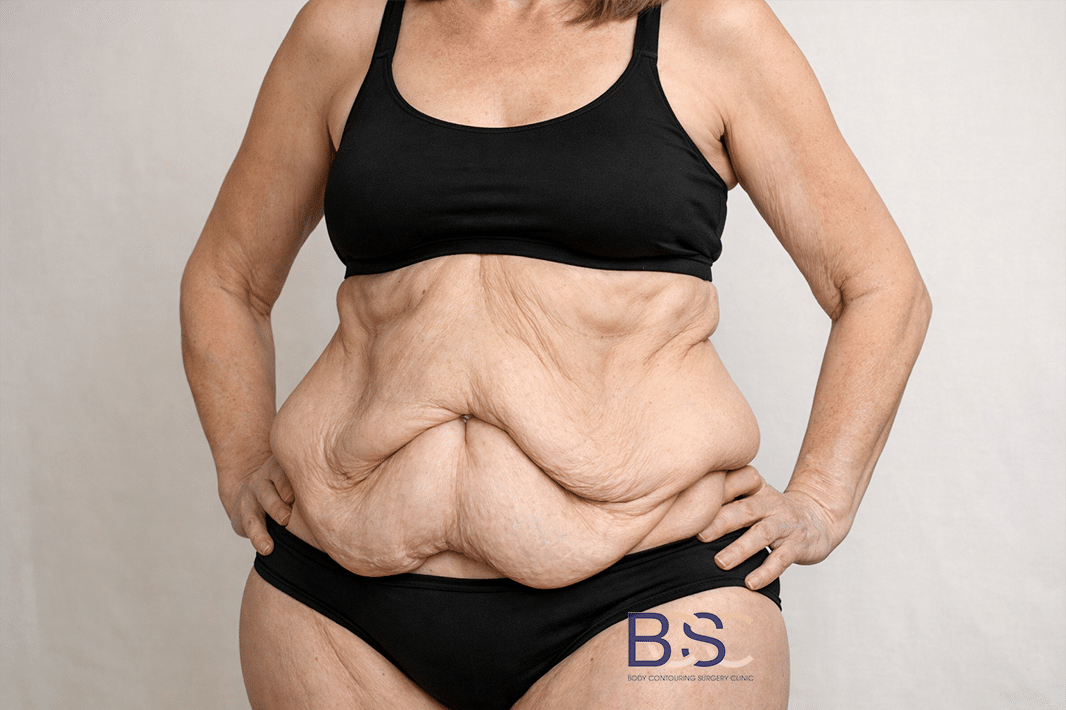
Limitations of Single-Procedure Approaches
Both Fleur-de-Lis abdominoplasty and belt lipectomy are effective body contouring procedures when used for appropriately selected patients. However, each has inherent limitations:
- Fleur-de-Lis abdominoplasty treats horizontal and vertical excess at the front of the abdomen but does not treat the circumferential body.
- Belt lipectomy treats the lower torso and buttock region but may leave residual horizontal skin excess on the anterior abdomen.
For patients with complex patterns of excess skin and fat, these limitations can result in incomplete correction if only one technique is used.
Years of experience
24/7 support
Qualified doctors
Many specialties
Modern facilities
Guaranteed results

Surgical Planning and Patient Selection
Careful patient selection is essential for body lift surgery. Suitable candidates generally:
- Have achieved a stable weight for several months
- Have completed further weight loss plans
- Maintain a healthy lifestyle and proper nutrition
- Do not smoke or have ceased smoking well before surgery
An initial consultation with a qualified specialist surgeon allows assessment of skin quality, remaining skin, underlying tissues, and overall health. Realistic expectations are discussed, along with the surgery and recovery process.

How the Surgery Involves Multiple Areas
The surgical procedure is typically performed under general anaesthesia. Surgery involves creating a circumferential incision around the lower torso, combined with a vertical incision on the anterior abdomen.
During the operation, excess skin and fat are removed, and underlying muscles of the abdominal wall may be treated if indicated. The remaining skin is repositioned to achieve a firmer abdominal contour and treat the lower torso shape.
This is a complex body lift procedure and is typically performed in a hospital setting with an overnight stay or longer, depending on individual factors.

Recovery Process After Circumferential Hybrid Abdominoplasty
The recovery process following circumferential hybrid abdominoplasty is more involved than standard abdominoplasty due to the extent of surgery. Most patients experience a significant recovery period.
The initial recovery period often includes:
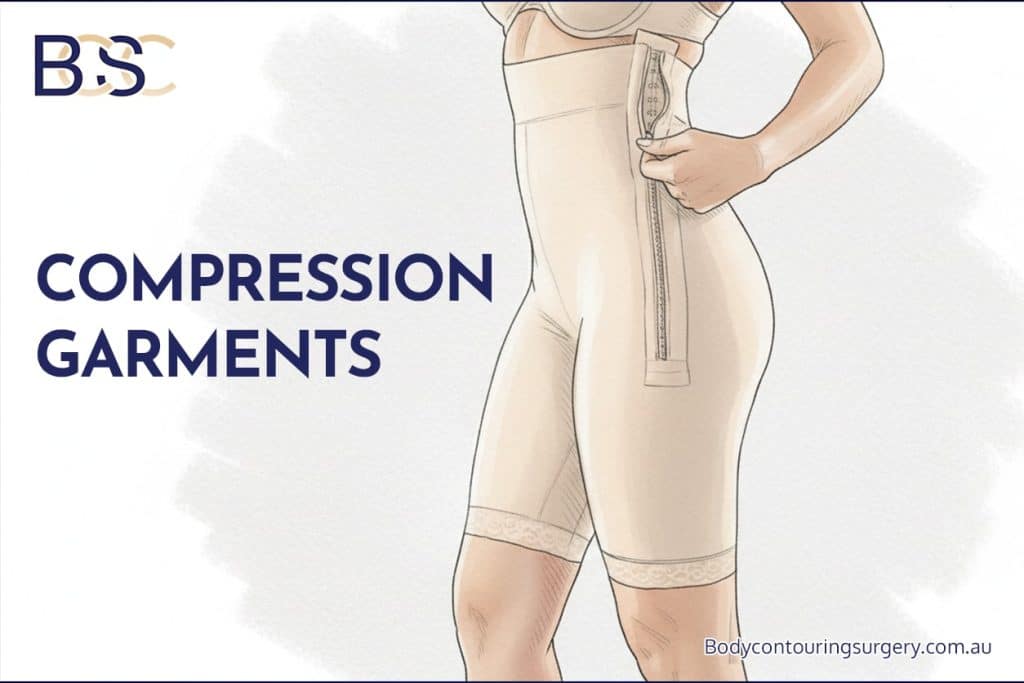
- Use of compression garments to support healing
- Monitoring for fluid accumulation
- Managing swelling and discomfort
- Limiting vigorous exercise
Weeks post surgery, patients gradually resume normal activities under medical guidance. Proper healing depends on adherence to post-operative instructions and allowing the natural healing process to occur.
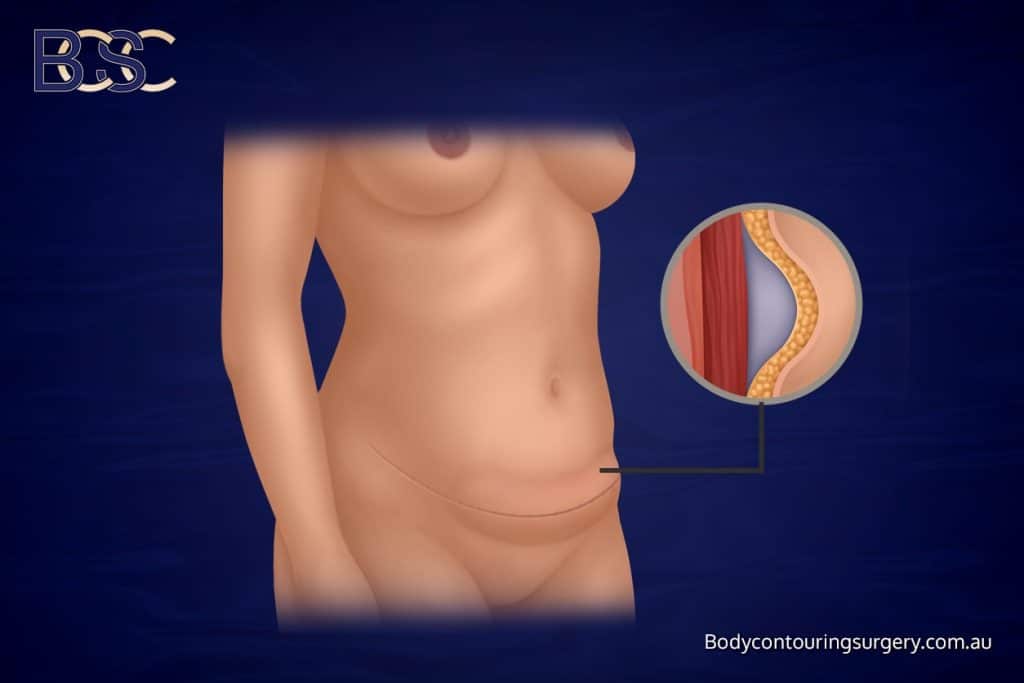
Risks and Complications
As with all body lift (belt lipectomy) surgery, risks may include:
- Fluid accumulation (seroma)
- Excessive bleeding
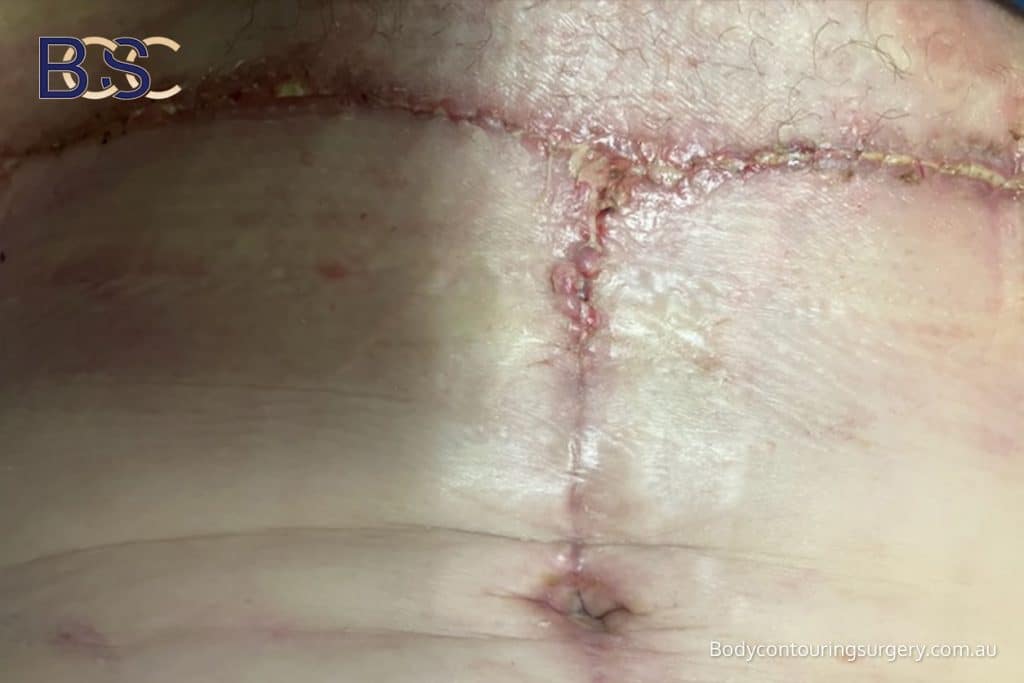
- Wound breakdown
- Infection
- Delayed healing
Factors such as smoking, poor nutrition, or impaired circulation can impair healing. These risks are discussed thoroughly during consultation. Results vary between individuals.
Scarring and Long-Term Considerations
Circumferential hybrid abdominoplasty involves long incisions, which result in permanent scars. While efforts are made to minimise scarring, visible scars are an expected outcome.
Over time, scars typically soften and fade, but individual healing varies. Long-term results depend on maintaining a stable weight and healthy lifestyle.
Combining Procedures
In selected patients, additional body contouring procedures such as thigh lift (Thighplasty), arm lift (Brachioplasty), breast reduction (Reduction mammoplasty), breast lift (Mastopexy), or breast surgery may be staged separately. Combining too many procedures in one operation may increase risk and is assessed carefully.
Final Thoughts
Circumferential hybrid abdominoplasty combining a vertical lipectomy with belt lipectomy represents an advanced option for patients with extensive excess skin after massive weight loss. By treating the limitations of individual techniques, this approach offers comprehensive body contouring of the lower torso.
A detailed consultation is essential to determine suitability, understand risks, and develop realistic expectations.
Frequently Asked Questions
Abdominoplasty focuses on the anterior abdomen, while belt lipectomy treats the entire lower torso as a circumferential body lift (belt lipectomy).
A hybrid tummy tuck (abdominoplasty) refers to combining techniques to treat multiple dimensions of skin excess, such as vertical and horizontal laxity.
Procedures may include breast surgery, thigh lift (Thighplasty), or arm lift (Brachioplasty), depending on patient health and surgical planning.
Years of experience
24/7 support
Qualified doctors
Many specialties
Modern facilities
Guaranteed results
How to get started
Ask your GP for a referral, then book a consultation with Dr Beldholm. At your consultation, your suitability is assessed and your options, the risks and the recovery are explained.